The Grandmother Effect: Weather-Sensitive Joints Are Real
Every culture on earth has the same folk wisdom: old people can feel weather coming in their bones. In rural China it's the grandfather with aching knees who announces rain a day before the clouds gather. In the American Midwest it's the aunt with arthritis who "feels a storm in her hip." The medical establishment spent decades writing this off as folklore — a colorful quirk of aging joints and vivid imaginations.
The research has caught up with the grandmothers. Large surveys of patients with osteoarthritis, rheumatoid arthritis, and fibromyalgia consistently find that a majority — in some studies 60-70% — report their pain fluctuates with the weather. A 2017 systematic review of weather sensitivity in chronic pain patients concluded the phenomenon is real, reproducible, and clinically significant for a large subgroup.
The most commonly reported triggers, in order: drops in barometric pressure, increases in humidity, and cold temperatures — the exact combination that precedes rain.
A 2019 study on humidity and pain perception in osteoarthritis found higher humidity and lower barometric pressure were associated with increased pain reports. The rainy-day knee isn't a myth; it's a measurement. And the phenomenon isn't limited to arthritis — people with old fractures, healed injuries, and chronic myofascial pain report the same effect.
The scar that aches before a storm, the ankle that "knows": same mechanism, playing out in injured tissue.
So the grandmothers were right. The interesting questions are why, and what to do about it. The why has two answers — one from modern physiology, one from TCM — and they're remarkably compatible. The what-to-do is where TCM genuinely shines: weather sensitivity is one of the most treatable joint patterns in the whole tradition, because the treatment — warmth, dryness, movement — targets the mechanism directly.
- If you track your pain for 2-3 weeks alongside a weather app's pressure readings, most weather-sensitive patients find their own personal 'trigger window' — typically 12-48 hours before a front arrives.
- The sensitivity is usually strongest in joints with prior injury or established arthritis — damaged joints are more reactive to environmental change than healthy ones.
- Your grandmother wasn't being dramatic: 60-70% of arthritis patients in major surveys report weather-related pain fluctuation. It's one of the most common, and most dismissed, symptoms in rheumatology.
"The joints are the sentinels of the body — when the external environment shifts, they report it before the sky does. The body that feels the weather has not forgotten the invasion it once suffered."
The Modern Science: Pressure, Fluid, Humidity, and Cold

Why would a drop in barometric pressure make a knee ache? The physiology is more concrete than you'd expect, and it explains why injured or arthritic joints feel it first.
Mechanism 1: barometric pressure and tissue expansion. 7 pounds per square inch at sea level. When a storm front approaches, that pressure falls — sometimes by 20-30 millibars. Joints are enclosed spaces: the capsule is a sealed container filled with synovial fluid, and the surrounding tissues hold gas dissolved in fluid. When external pressure drops, the tissues expand slightly — like a sealed bag at altitude.
In a healthy joint, the expansion is imperceptible. In an arthritic or previously injured joint — where the capsule is already irritated, inflamed, or scarred — the stretch hits sensitive structures: the capsule's nerve endings, the inflamed synovium, the periosteum. It's the same principle as "diving barometer" pain in teeth or sinuses: gas- and fluid-filled cavities respond to pressure change.
A 2018 observational study confirmed the relationship in real patients — pain scores tracked pressure drops.
Mechanism 2: cold and synovial fluid viscosity. Synovial fluid is the joint's lubricant, and its viscosity is temperature-sensitive. Cold thickens it, making joints stiffer and more resistant to movement — the winter morning-stiffness phenomenon. Muscles also tighten reflexively in the cold, increasing compressive load on the joint.
A cold joint is a stiffer, more loaded joint, and stiffness plus load equals pain, especially where cartilage is already compromised.
Mechanism 3: humidity and fascial hydration. Fascia — the connective tissue web around muscles and joints — is highly water-sensitive. High humidity alters tissue water balance, and the subtle swelling of fascial layers can compress nerve endings and increase perceived tightness. The 2019 humidity study found humidity to be one of the strongest weather correlates of osteoarthritis pain.
Mechanism 4: temperature and pain perception. Cold directly sensitizes nociceptors — the nerve endings that transmit pain. It also constricts peripheral blood vessels, and reduced perfusion means reduced clearance of inflammatory byproducts from the joint. The combination — more sensitive nerves, less blood flow, thicker fluid, tighter muscles — stacks into a joint that hurts more.
The big-picture finding across all this research: weather sensitivity isn't psychosomatic; it's mechanical and physiological. And critically, the same mechanisms explain why TCM's approach — warmth, dryness, movement — works. Each intervention targets one of these four mechanisms directly.
- The pressure-drop window is your earliest warning: joint pain typically peaks 12-48 hours before the storm arrives, while pressure is still falling — not during the rain itself.
- Cold joints are stiff joints: every 1 degree of warming a joint receives measurably improves synovial fluid behavior — which is why warmth-based therapies work for weather pain.
- If your joints are weather-sensitive, watch humidity as closely as temperature — high humidity is independently associated with pain, separate from pressure or cold.
"The exterior environment enters the body through the skin and the joints. Cold contracts, Dampness weighs down, Wind penetrates — and the joint that is already weakened becomes their first fortress."
The TCM View: Damp-Bi and Why Some Joints Are Weather Vanes
Modern physiology explains how the weather affects joints. TCM explains why some people are affected and others aren't — and that answer has a clinical payoff.
The TCM framework starts with Bi — the obstruction pattern from Chapter 43 of the Suwen. " Three external pathogenic factors, in combination, invade the channels and settle in the joints, obstructing the flow of Qi and Blood.
The specific combination shapes the pain: Wind-dominant Bi migrates (pain that moves from joint to joint — the word for wind is also the word for movement); Cold-dominant Bi is severe, fixed, and loves warmth; Damp-dominant Bi is heavy, swollen, and sticky — the joint that feels full of wet sand.
Weather-sensitive joint pain is, in TCM terms, a Damp-Bi pattern: the joint invaded and held by Dampness, with Wind and Cold arriving on every weather front to aggravate it.
Here's the clinically crucial part: in TCM, the external invasion succeeds because the internal terrain allows it. The patient who aches before rain isn't randomly unlucky — they carry a pre-existing Damp pattern, a constitutional or acquired tendency for fluid to stagnate, often rooted in Spleen Qi weakness (the digestive system failing to transform and transport fluids efficiently).
The weather doesn't create the Damp — it amplifies it. The front moves in, external Dampness joins internal Dampness, and the joint — the natural low point where turbid fluid sinks — swells and aches.
That explains three observations that otherwise look mysterious. Why old injuries are the most weather-sensitive spots: the channels were disrupted there, the local terrain is already compromised, so it's the first place external factors lodge. Why some people feel it and others don't: the difference is the internal pattern, not the weather.
Why the phenomenon clusters with other Damp signs — the person with weather-sensitive knees often also has morning heaviness, sticky digestion, a puffy face.
The treatment implication is profound: you can't change the weather, but you can change the terrain. Warming, drying, and moving therapies — moxibustion, cupping, warming herbs, joint movement — directly address the internal Damp pattern. That's why weather sensitivity is one of the most responsive joint conditions in TCM. The patients who do the Damp-draining work stop being weather vanes.
- The TCM key insight: the weather is the trigger, but the pattern is the cause. Two people face the same front — the one with pre-existing Damp aches, the one without doesn't.
- Old injuries are the first place external Damp lodges — the disrupted channels of a healed sprain or surgery scar are exactly where the next weather front will 'land.'
- If your joints are weather-sensitive, look for other Damp signs (morning heaviness, sticky digestion, puffy face) — they confirm the pattern and tell you the treatment should be internal, not just external.
"Wind, Cold, and Damp combine to create Bi. When the three arrive together, the joints close their gates against them — but the gate that is already broken opens first, and the weather enters there."
Are Your Joints Actually Weather-Sensitive? A 5-Question Check
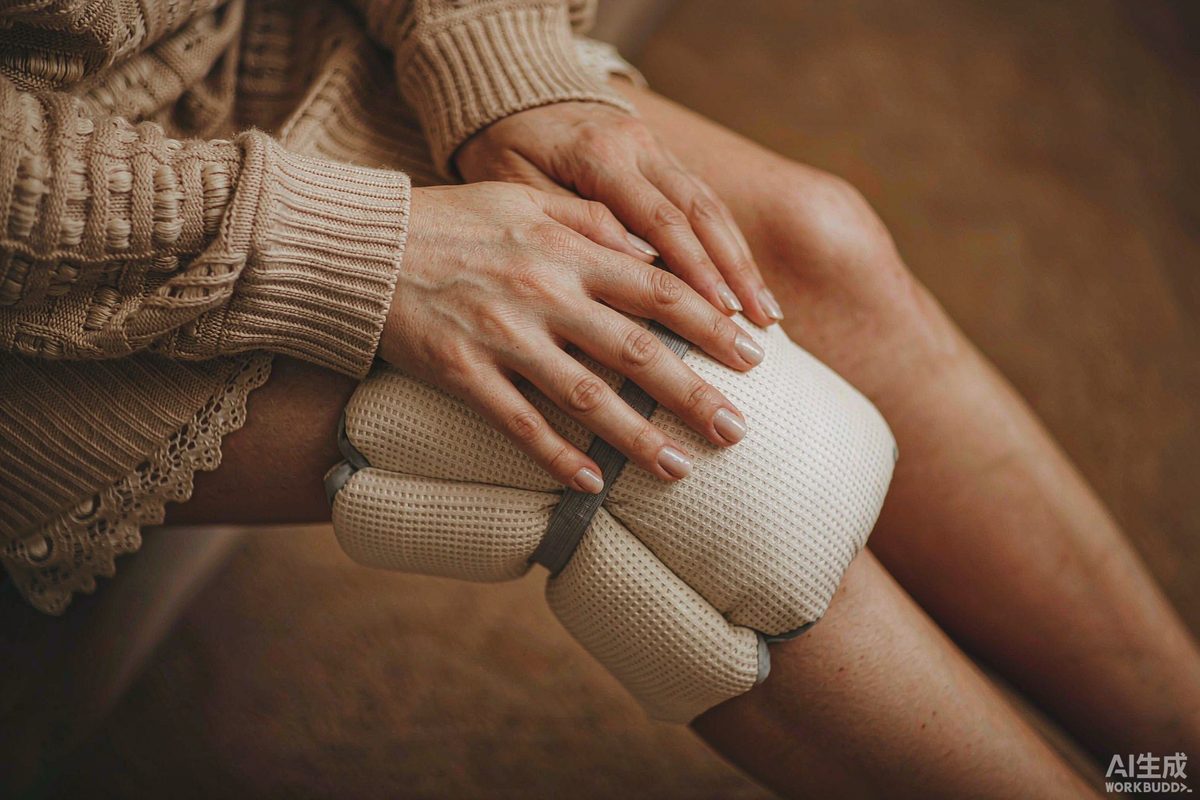
Before you build a weather-protection protocol, establish whether you need one. Many people assume their joints are weather-sensitive because of one rainy-day coincidence; others are genuinely sensitive but never connected the dots. This five-question check, adapted from how practitioners screen for weather-related pain, takes two minutes.
Question 1: Do your joints ache, stiffen, or swell before rain or storms — typically 12-48 hours ahead? That's the classic pressure-drop signal, and a yes here is the single strongest indicator of true barometric sensitivity.
Question 2: Is your joint pain noticeably worse in cold, damp weather than in warm, dry weather? Think seasons, not single days: does winter hurt more than summer? Do rainy weeks hurt more than sunny ones?
Question 3: Do you have morning stiffness lasting more than 30 minutes, especially in humid or cold weather? Morning stiffness that worsens with weather points to inflammatory or Damp-type joint involvement rather than pure mechanical wear.
Question 4: Do your joints feel heavy, swollen, or "full of fluid" when humidity is high — even without a specific injury? That's the Damp signature: a sense of weight and puffiness, not just pain.
Question 5: Does warmth and gentle movement reliably improve your pain, while rest and cold make it worse? Weather-sensitive, Damp-Cold joints are warm-lovers — a hot shower, a warm compress, or ten minutes of walking typically eases them.
Scoring: 4-5 yeses — you're weather-sensitive, likely with a genuine Damp pattern; the full protection protocol below applies, and an internal (herbal/diet) approach will help most. 2-3 yeses — you're intermittently sensitive; use the seasonal and acute protection tools, and watch whether a Damp pattern is developing.
0-1 yes — weather probably isn't your driver; your joint pain deserves a different diagnostic path (see the red flags section).
One caveat: weather sensitivity and true joint disease aren't mutually exclusive. Weather-sensitive patients still need their joint condition diagnosed and managed — sensitivity is a modifier, not a replacement diagnosis. The check answers "is weather a factor," not "is my joint healthy."
- Keep a simple 2-week log: morning pain score (0-10) + one line on weather (pressure trend, humidity, temperature). Patterns that feel random in your head become obvious on paper.
- The 12-48 hour lead time is the giveaway: pain that arrives with the rain is often coincidental, but pain that reliably precedes it is pressure-drop sensitivity.
- A warm-lover's joint (better with heat, worse with cold/rest) fits the Damp-Cold pattern; a joint that's worse with warmth and better with cold points to Heat and needs a different approach.
"Ask the patient not only where it hurts, but when it hurts — for the pattern of the pain reveals the pattern of the body. The joint that answers to the weather answers to Dampness."
The Protection Protocol: Moxa, Liniments, Movement, and Damp-Draining Food
You can't stop the rain — but you can stop being a barometer. The protection protocol has four pillars, each targeting a different mechanism of weather pain, and together they produce the hallmark result TCM practitioners see: patients whose joints stop predicting the weather.
Pillar 1: moxibustion — the warmth weapon. Burning compressed mugwort near or on acupoints is the single most effective TCM tool for weather-sensitive joints. Its far-infrared heat penetrates joint tissue, increases local circulation, and directly counters both Cold and Damp. 5 finger-widths from the spine) for Kidney Yang — the deep warmth underlying joint health.
Practical use: 10-15 minutes per point, 3-4 times a week, and daily for the 48 hours before a known front.
Pillar 2: warming liniments and external medicine. Traditional liniments — Dit Da Jao, Zheng Gu Shui, camphor-menthol warming oils — deliver counterirritant warmth and blood-moving herbs directly to the joint. Applied before bed or before going out into cold, damp weather, they keep the joint warm for hours and blunt the morning-stiffness response.
Pillar 3: joint movement — motion is the joint's medicine. Stiff joints stiffen more; moving joints stay lubricated. The weather-sensitive joint needs daily, gentle, full-range movement: tai chi, qi gong, walking, or simple range-of-motion exercises (knee circles, shoulder rolls, ankle pumps). Movement also supports the Spleen's fluid metabolism in TCM terms — the internal engine of Damp clearance.
And crucially: move on the weather days, don't rest. The instinct is to stay still when it aches; the evidence and TCM both say the opposite. Gentle movement within pain-free range is the best defense.
Pillar 4: Damp-draining foods and lifestyle. The internal counterpart to the external therapies: foods that drain Damp and support the Spleen — barley (yi yi ren) congee, adzuki beans, celery, winter melon, cucumber, mung bean, and warming spices (ginger, turmeric, black pepper). Cut the Damp-builders: excess sugar, dairy-heavy diets, fried foods, cold raw foods, excessive alcohol. "
The protocol is modest in effort and compounding in effect: each pillar reinforces the others, and patients who run all four for 8-12 weeks consistently report that their joints detach from the weather forecast.
- The pre-front window is everything: moxa the key points and wear compression/warmth for the 48 hours before a pressure drop, and most weather-sensitive patients skip the ache entirely.
- Movement is counterintuitive but critical: on aching weather days, gentle range-of-motion work beats rest. Stiffness is the enemy; motion is the lubricant.
- Barley congee with ginger is the classic Damp-draining breakfast — it addresses the internal pattern while moxibustion handles the external front.
"When the external Damp arrives, meet it with internal dryness; when the Cold presses in, answer with warmth; when the Wind moves, hold with strength. The joint that is warmed, dried, and moved does not fear the sky."
Seasonal Care: What Each Season Does to Your Joints
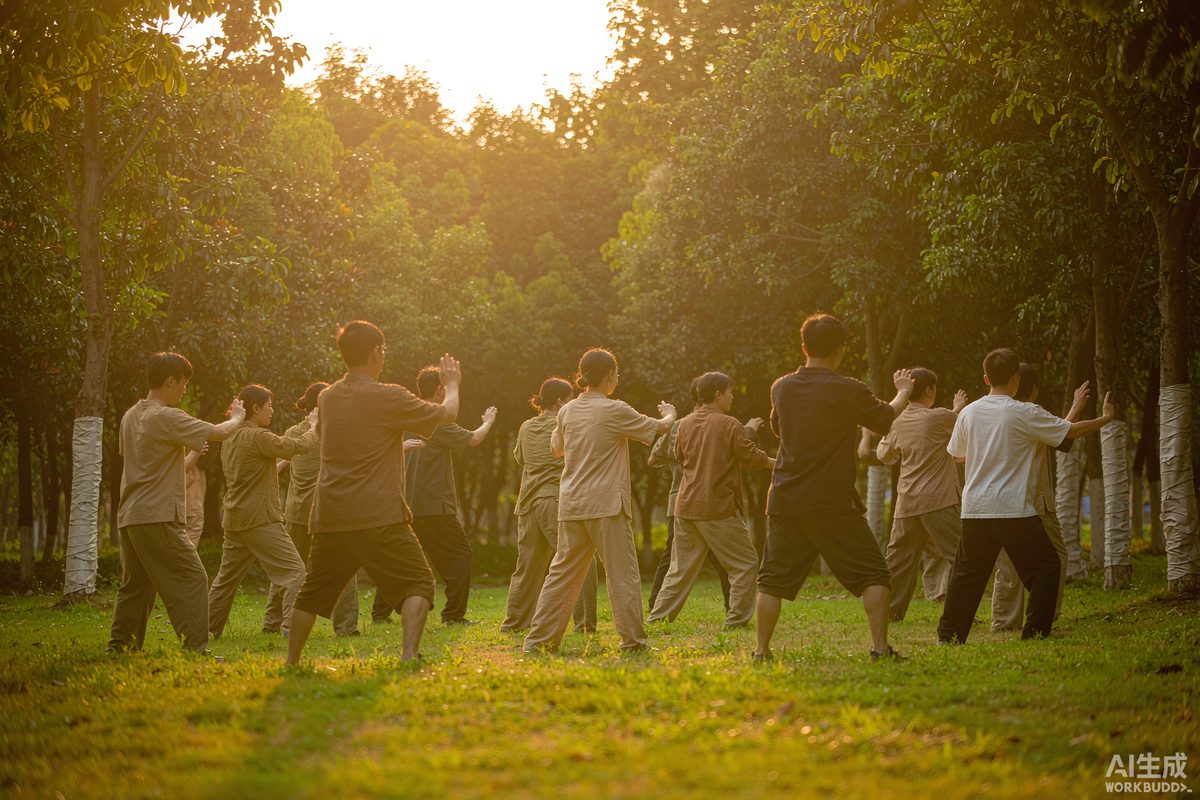
Weather sensitivity isn't uniform across the year. Each season delivers its own combination of pathogenic factors, and each demands a slightly different defense. This is the seasonal playbook I give weather-sensitive patients.
Spring — Dampness season. Spring rains and rising temperatures create the year's highest Damp load: wet ground, humid air, moisture released from the thawing earth. This is the season of heaviness, swelling, and the classic Damp-Bi flare.
Defense: double down on Damp-draining foods (barley, adzuki beans, celery, mung bean), keep the living space dehumidified, and stay consistent with movement — spring is the season to build the qi gong or tai chi habit. Spring is also the season of the Liver, which governs the sinews — gentle stretching and meridian work are especially valuable now.
Summer — Heat and humidity season. Summer combines heat and humidity — Damp-Heat in TCM terms. Joints feel heavy and puffy, and the modern hazard is worse than the natural one: air conditioning.
Sitting in cold A/C drafts while overheated — the classic summer office scenario — drives external Cold into joints simultaneously soaked in humidity, producing the "air-conditioning Bi" pattern: weather-sensitive joints that flare in July.
Defense: keep a layer between the joint and the A/C, avoid going directly from heat into a cold room without transition, and keep hydrating — heat-driven dehydration that concentrates Damp is a real summer risk.
Autumn — Wind season. Autumn is the season of Wind — dry, moving air that penetrates. Wind-dominant pain migrates: the ache that moves from knee to shoulder to wrist. The vulnerable zone is the neck and upper back — the "wind gate" points (GB-20, at the base of the skull) — which is why traditional advice says to cover the back of the neck in autumn.
Defense: scarves and collars are genuinely medicinal in autumn; warm the neck and upper back with moxa or liniment; protect joints during the rapid temperature swings of early autumn.
Winter — Cold season. Winter is the season of Cold — the year's most severe joint stress for Damp-Cold patterns. Synovial fluid thickens, muscles tighten, pain peaks. Defense: this is moxibustion's season — increase frequency (daily if possible), use warm baths and liniments, keep the whole body warm rather than just the joint, and maintain indoor movement; winter inactivity that leads to stiffness is the enemy.
The through-line across all four seasons: the weather keeps changing, but a body that is warmed, dried, and moved throughout the year stops being the weather's hostage. Seasonal care isn't about bracing against one season — it's about building a body that no season can break.
- Summer A/C is a stealth wind-cold attacker: transitioning from 95°F outside to 60°F air-conditioned rooms repeatedly is how weather-sensitive joints learn to hate July.
- Autumn is the neck season: covering the nape (GB-20 region) is the classic wind-protection move — a scarf is preventive medicine for the upper-back-and-neck pattern.
- Winter is moxa season: increase frequency to daily if you can — the compounding warmth across a winter is exactly what the Damp-Cold joint needs.
"The sage adapts to the four seasons as the farmer adapts to the field: in spring, drain; in summer, guard the gate; in autumn, cover the exposed; in winter, stoke the fire. The body that follows the seasons does not suffer them."
When It's Not the Weather: Red Flags That Need a Doctor
Weather sensitivity is a benign explanation for joint pain — but it can also become a comfortable excuse that delays a real diagnosis. Here's how to tell when the weather story has a second chapter.
Red Flag 1: the pain is worse with warmth, not better. Weather-sensitive Damp-Cold joints love heat. If your joints are consistently worse with warmth — hot baths make them ache, summer is your worst season — the pattern is Heat, not Damp-Cold, and it deserves a rheumatologist's eyes rather than a home protocol.
Red Flag 2: morning stiffness over an hour, with swelling. Brief morning stiffness that loosens with movement is typical wear-and-tear. Stiffness lasting more than an hour with visible joint swelling — especially symmetric (both hands, both knees) — is the classic pattern of inflammatory arthritis (rheumatoid, psoriatic) and requires blood work and a specialist.
Red Flag 3: a single joint that's hot, red, and swollen. If one joint — typically a big toe, knee, or wrist — turns red, hot, and swollen out of nowhere, the list includes gout, pseudogout, and septic arthritis. A hot swollen joint with fever is an emergency. Don't file it under "weather joint."
Red Flag 4: pain that wakes you at night, or weight loss with joint pain. Night-waking joint pain and unexplained weight loss are systemic signals — they point beyond mechanical or weather-related causes to inflammatory or other systemic disease.
Red Flag 5: numbness, weakness, or pain radiating down a limb. Weather-ache doesn't radiate. Numbness, tingling, weakness, or shooting pain down an arm or leg points to nerve involvement (cervical or lumbar radiculopathy) — a different diagnosis with a different treatment.
Red Flag 6: the pain stopped responding to the pattern. This is the most underrated flag. If your joints used to respond to warmth, movement, and the seasonal protocol — and now they don't — the condition has changed. New escalation in a previously manageable pattern is a medical conversation, not a motivational one.
The honest summary: weather sensitivity is real, common, and treatable — but it's a modifier of joint disease, not a replacement for diagnosis. If you have any of these six flags, or if your joint pain is new, severe, or worsening, the first step is a proper medical evaluation. With a diagnosis in hand, the TCM protection protocol becomes a powerful complement to whatever care your doctor recommends.
- The single most useful rule: weather-sensitive joints love warmth. Any joint that worsens with heat or stays swollen beyond 60 minutes of morning movement deserves a workup, not a moxa stick.
- One hot, red, swollen joint is never 'just weather' — the differential includes gout and septic arthritis, and the second one needs immediate care.
- Track your response to treatment: if the protocol stops working, the pattern has changed — treat that as new information and get a fresh evaluation.
"The wise physician treats the patient, not the weather. When the pain no longer follows the pattern, when it burns where it should ache, when it spreads where it should stay — the diagnosis must be renewed, for the disease has changed."