The Detox Tea Problem: Laxatives in Pretty Boxes
Let's be honest about the weight-loss tea aisle, because most of it isn't tea at all — it's a laxative in a pretty box. The $60 'detox' blends that promise to melt fat usually lean on senna, cascara, or other anthraquinone laxatives. What they actually do is dehydrate you, irritate your colon, and build a dependency where you can't go to the bathroom without the tea.
The weight that 'falls off' in week one is water, and it returns the moment you stop. Chronic laxative use damages the gut's natural motility and electrolyte balance — a genuinely harmful trade for a temporary number on the scale.
That's why I tell patients to read the label before the reviews. If you see senna, cascara sagrada, or 'natural herbal laxative blend,' that tea is a drug, not a beverage.
Against that backdrop, the real TCM tea tradition is almost refreshingly boring. It's not about flushing. It's about digestion, transformation, and clearing the patterns that let weight accumulate: Dampness that makes you heavy and puffy, Phlegm that congeals in the middle, Qi that fails to move, stools that don't clear.
The four teas in this article — lotus leaf, hawthorn, cassia seed, tangerine peel — each target one of those jobs. Each has centuries of documented use, and three of the four have peer-reviewed pharmacology backing their traditional roles.
None of them burn fat on their own. What they do is support the digestive and metabolic machinery that makes weight loss possible, while replacing the sugary drinks that undermine it. Think of them as levers, not miracles. Used that way, they're genuinely useful. Expected to do the work alone, they disappoint — and so does every 'miracle tea' you've ever tried.
- Read the ingredient label before the marketing copy. If senna or cascara appears anywhere, that product is a laxative in tea form, not a weight-loss aid.
- The most powerful thing any weight tea can do is replace a sugary drink. A lotus leaf cup that replaces a 300-calorie soda is doing more for your weight than the herb itself ever could.
- Buy single herbs, not mystery blends. When you know exactly what you are drinking — and how much — you can dose it correctly and avoid hidden stimulants and laxatives.
"Sweet and fatty foods generate internal Heat; when transformation fails, they congeal into Dampness and Phlegm, and the body becomes heavy."
Tea 1: Lotus Leaf (He Ye) — the Classic Dampness-Clearing Cup

If any tea in the Chinese weight tradition deserves its reputation, it's lotus leaf. Li Shizhen's Ben Cao Gang Mu, the great Ming pharmacopoeia, records it for 'clearing Damp-Heat and lightening the body,' and it appears in the famous Qing Dynasty formula Qing Shen Jian Fei Fang, paired with hawthorn and cassia seed. The folk tradition has used it for weight support for centuries.
The modern pharmacology is genuinely interesting. A 2017 review of lotus leaf extract and lipid metabolism found that its flavonoids and alkaloids — including nuciferine — influence fat absorption and lipid handling. Animal and preliminary human studies show reductions in triglycerides and in weight gain on high-fat diets.
This isn't a stimulant fat-burner; it's a metabolic modifier that works with your digestive system.
The classic preparation is simple. Three to five grams of dried lotus leaf — about two palm-sized fragments — in 500 ml of hot water, steeped 5 to 10 minutes, covered. Drink it warm, after meals, once or twice a day. ' A pinch of goji berry or a slice of licorice softens it. Timing matters: after meals, especially heavier ones, when the Damp-generating load is highest.
Evening use is the most powerful habit shift, because it replaces the dessert drink or the second glass of wine.
Who it's for: the Phlegm-Dampness pattern — heavy, puffy, greasy-tongued, afternoon-sluggish people. Also the Damp-Heat type who runs hot, sweaty, and sticky. Who it's not for: people who are cold, pale, and easily chilled — lotus leaf is cooling and mildly diuretic, and it will make a cold Spleen colder. Loose stools and weak digestion too. Not sure? Drink half a cup and watch.
If you feel chilled or your digestion loosens, this tea isn't yours.
- The evening cup is the highest-value habit: replace your nightly sweet drink or second glass of wine with lotus leaf tea and you remove 200 to 400 calories a day without noticing.
- Lotus leaf combines well with Chen Pi (a few strips) to prevent any chill on the digestion — the classic 'clear without harming' pairing.
- Expect the tongue to change before the scale: as Dampness clears over 2 to 4 weeks, the greasy coating thins and the body feels lighter.
"Lotus leaf clears Damp-Heat, lifts the clear Yang, and lightens the body; it is the sovereign herb of the weight-reducing tradition."
Tea 2: Hawthorn (Shan Zha) — the Fat-Digesting Berry Tea
Hawthorn is the tea for the meal, not the month. In Chinese medicine it's the preeminent digestive fruit: it dissolves food stagnation, especially the stagnation of meat, fats, and rich foods. The classic teaching is that hawthorn 'transforms accumulation and dissolves fat,' and the traditional use is a cup after a heavy meal, to stop the brick-in-the-stomach feeling before it starts.
The pharmacology backs the folklore. A 2017 review in the cardiovascular literature documented hawthorn's lipid-modulating activity: its flavonoids influence cholesterol metabolism, and multiple studies show reductions in total cholesterol and triglycerides. It also stimulates digestive enzyme secretion — exactly what a rich meal needs.
That's why I prescribe it after fatty meals, holiday dinners, and restaurant indulgences.
Preparation: 5 to 8 dried slices — about 10 grams — in 500 ml of hot water, steeped 10 minutes. It's tart. Genuinely tart, like a sour candy, so most people add a little honey or one red date. Drink it within 30 minutes of finishing the meal, while the digestive load is fresh. It's safe for daily use at this dose, and unlike lotus leaf it's warming and astringent, so it suits cold people as well as hot.
Two cautions. Hawthorn is traditionally avoided in pregnancy — it can stimulate uterine contractions and was historically used to move blood stasis. And it mildly thins the blood: if you're on warfarin or other anticoagulants, check with your physician before making it daily.
Who it's for: anyone whose weight pattern includes rich-food overeating, heaviness after fatty meals, or the Damp-stagnation profile with a coated tongue. Who it's not for: people with chronic empty-stomach pain or reflux — the acidity aggravates both.
- Brew hawthorn tea BEFORE a rich meal so it is ready when you finish — the tradition is to drink it within 30 minutes after eating while digestion is most active.
- The classic pairing for a feast: hawthorn with a few strips of Chen Pi. Hawthorn dissolves the fat; Chen Pi moves the Qi so it does not stagnate into bloating.
- If the tartness is too much, steep it with one red date or a slice of licorice root — but avoid sugar, which defeats the purpose.
"Hawthorn transforms meat stagnation and dissolves fat; when rich food stagnates in the middle burner, hawthorn is the first herb the physician reaches for."
Tea 3: Cassia Seed (Jue Ming Zi) — the Gentle Regularity Tea
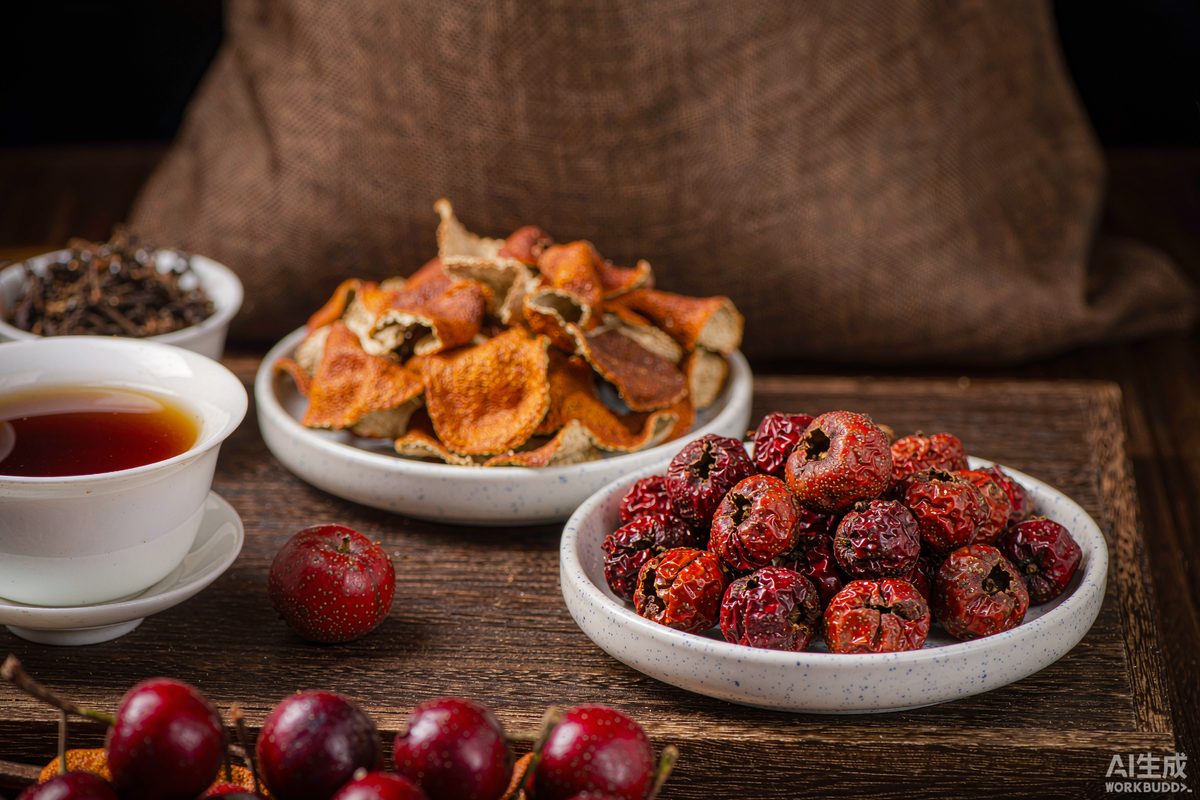
Cassia seed is the traditional TCM answer to the constipation that so often travels with weight gain. A note first: it's the seed of Senna obtusifolia — yes, the same plant family as senna, which is exactly why it demands respect. '
The pharmacology is well characterized. Cassia seed contains anthraquinone glycosides — the same chemical family as senna — which stimulate colonic motility. That's why it works, and also why it demands respect. A 2018 review of cassia seed anthraquinones and bowel function confirmed both the laxative activity and the caution: anthraquinone laxatives are for short-term, intermittent use, not daily dependence.
Used correctly, cassia seed is the mildest member of that family in the tradition — it moistens rather than purges. Used like a detox tea — daily, in large doses — it creates exactly the laxative dependency I told you to avoid at the start of this article.
Preparation: 10 to 15 grams — about a tablespoon — of whole seeds, gently crushed, simmered in 500 ml of water for 10 to 15 minutes. Simmering, not steeping; a quick hot-water steep extracts almost nothing. Drink it in the evening so its effect arrives with the morning bowel movement. The taste is mild, nutty, slightly bitter.
The frequency rule I give patients: no more than three to four evenings a week, and only when you actually need support. Not as a daily ritual. If you need it every day, the problem isn't your bowel — it's your diet, and the answer is fiber, water, and movement, not tea. Who it's for: the genuinely constipated weight patient — hard, dry, infrequent stools, common in the Damp-Heat and stagnation patterns.
Who it's not for: loose stools or diarrhea, a history of laxative dependence, inflammatory bowel disease, pregnancy. And never stack it with senna-containing products — that's how people end up in the ER with electrolyte depletion.
- Simmer, don't steep: whole cassia seeds need 10 to 15 minutes of gentle boiling to release their compounds. A quick steep in hot water gives you almost nothing.
- The evening cup rule: drink it after dinner, and expect the effect with the morning bowel movement. That is the natural rhythm anthraquinones follow.
- If you catch yourself reaching for cassia tea four nights in a row, stop. Intermittent use is medicine; daily use is dependence in the making.
"Jue Ming Zi moistens the intestines and frees the bowels, and clarifies the eyes; but the physician who uses it daily forgets that every purge weakens the very Qi it seems to move."
Tea 4: Chen Pi (Tangerine Peel) — the Least Glamorous, Most Used
Chen Pi — aged tangerine or mandarin peel — is the least glamorous herb in this article and, honestly, the one I reach for most. It's the digestive spark plug of Chinese medicine: it dries Dampness, transforms Phlegm, and moves stagnant Qi in the middle burner.
It anchors nearly every classical digestive formula, from Er Chen Tang — the foundational Phlegm-transforming formula — to Ping Wei San, Calm the Stomach Powder.
Why it matters for weight: so much weight gain is a transformation problem. Food and fluids the Spleen can't fully process become Dampness and Phlegm, and Phlegm-Dampness is the most common pattern behind stubborn weight. Chen Pi is the everyday herb that keeps the engine turning over.
Preparation is the simplest in this article: 2 to 4 strips of aged peel — about 3 grams — in a cup of hot water, steeped 5 minutes. The taste is aromatic, slightly sweet, with a citrus-wood note, and the oldest peel tastes best. Drink it after meals, or add it to anything: a few strips in green tea, lotus leaf tea, or hawthorn tea turns it into a digestive tonic.
It's warming, so unlike lotus leaf it suits cold, deficient digestions, and it's safe for daily long-term use with essentially no interaction burden at food doses.
One quality note: real Chen Pi is aged at least a year, and the aging is the medicine. Fresh peel — or Qing Pi, a different herb entirely — doesn't have the same mellow drying character. Buy 'aged' peel and you get the classical herb. Who it's for: anyone with a Phlegm-Dampness profile — heavy, bloated, greasy tongue, post-meal fatigue — and anyone whose meals leave them feeling stuck.
Who it's not for: severe yin deficiency — dry mouth, dry skin, night sweats — where drying herbs are best avoided, though at tea doses this is rarely a practical concern.
- Add 2 to 3 strips of Chen Pi to your morning green tea. You will barely taste it, and your digestion will thank you by mid-morning.
- Quality test: real aged Chen Pi is dark, fragrant, and slightly oily to the touch. Pale, thin, scentless peel is not aged and will not work as well.
- Chen Pi is the great mixer: it pairs with lotus leaf (clear without chilling), hawthorn (dissolve and move), and cassia seed (moisten without gripping).
"One hundred years of Phlegm, one strip of aged peel. Chen Pi dries the Damp, moves the stagnant Qi, and restores the middle burner's turning wheel."
Combination Formulas: Three Blends, Matched to Your Pattern
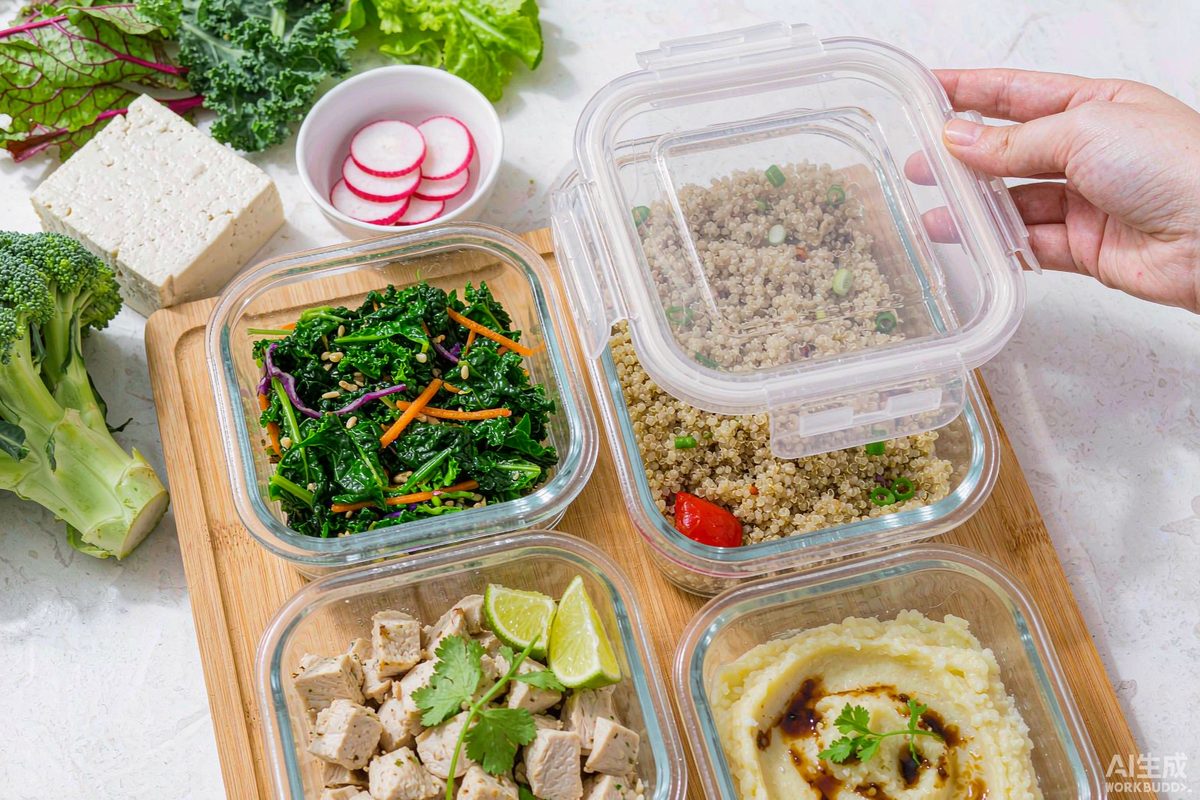
The real TCM tea tradition is rarely a single herb — it's a formula, and formulas are built to match patterns. Here are the three blends I prescribe most, with ratios.
The Damp-clearing blend, for the heavy, puffy, greasy-tongued patient: lotus leaf 3 g, hawthorn 8 slices, Chen Pi 2 strips. Steep 10 minutes after meals, twice daily. Lotus leaf clears the Damp, hawthorn dissolves the fat stagnation, Chen Pi keeps the Qi moving so nothing re-pools. It's the closest modern version of the Qing Dynasty Qing Shen Jian Fei Fang.
The Spleen-supporting blend, for the soft, bloated, exhausted-after-meals patient: Chen Pi 3 strips, two red dates, and 5 g of astragalus (Huang Qi) if you tolerate it. Skip the lotus leaf — too cooling — and skip the hawthorn unless meals are genuinely heavy. The job here isn't clearing; it's building the digestive engine.
The regularity blend, for the constipated Damp-Heat patient: cassia seed 12 g, simmered with hawthorn 5 slices and a few strips of Chen Pi. Evening use, three to four nights a week max, morning results expected.
And for the stress eater whose weight lives in the belly — Liver Qi stagnation — add two or three dried rose buds or a few chrysanthemum flowers to any of the above. Rose moves Liver Qi, the quiet driver of so much stress belly.
The general rule of blending is the general rule of TCM: match the tea to the pattern, use the minimum that works, stop when the symptom resolves. Teas aren't a substitute for the pattern work — the food changes, the movement, the sleep — but they're a genuinely pleasant way to do one small piece of it, every day, without willpower.
- Write your blend down and keep the dried herbs in labeled jars. The ritual of brewing your own formula is half the medicine — it keeps you engaged daily.
- Start with the single herb that matches your dominant pattern, add a second only if the first agrees with you, and never run all four at once.
- Rotate: many patients do the Damp-clearing blend after meals during the week and the Spleen-supporting blend on weekends. Variety prevents monotony and covers both patterns.
"A single herb treats the branch; a formula treats the root. Blend according to the pattern, and the tea becomes the prescription."
The Honest Limits: What Tea Can and Can't Do
Straight version of what these teas can do, because the marketing has done enough damage.
What they can do: replace calorie-bearing drinks. A lotus leaf cup in place of a nightly soda, juice, or sweet latte removes 200 to 400 calories a day — that alone is a pound every one to two weeks. They support digestion of rich food, cutting the post-meal heaviness, bloating, and sluggishness that derail healthy habits.
They clear Dampness symptoms — puffiness, greasy tongue, afternoon heaviness — which makes the body feel lighter and more motivated to move. And they gently support bowel regularity, which matters, because a sluggish bowel is a demoralizing obstacle to any weight program.
What they can't do: burn fat directly. No compound in any of these teas — or in any $60 detox box — meaningfully raises resting metabolic rate or directly mobilizes adipose tissue. Nuciferine from lotus leaf and hawthorn flavonoids are real pharmacology, but the effect sizes are modest, and they work by supporting lipid handling and digestion, not by torching fat.
They also can't overcome a diet of sugar, refined carbs, and processed food. Drinking lotus leaf tea with a donut is a donut with tea.
And the biggest limit is the one marketing hides: if a tea sends you running to the bathroom, the weight it 'removes' is water and stool content, and it returns within days.
Real weight loss from these teas comes from the structure they create: a daily ritual that replaces a high-calorie drink, supports digestion after meals, and keeps you engaged with your health every single day. That's not nothing — it's actually a lot. But it's a lever, not a miracle.
The patients who succeed with tea use it as the anchor of a real program: the Damp-clearing diet, the daily walk, the earlier bedtime. The patients who fail buy the box and wait for the fat to melt. You know which one you want to be.
- Set one measurable goal for your tea habit: 'I will replace every evening sugary drink with herbal tea for 30 days.' That single swap is worth more than any blend.
- Weigh the ritual, not just the herb: brewing a cup, sitting down, and drinking it slowly is a mindfulness practice that reduces the grazing and stress-eating patterns.
- If you notice your energy dropping or your digestion changing after starting a tea, stop it. 'Traditional' does not mean 'right for you.'
"Medicine treats the disease; habit prevents it. The tea that becomes a ritual is worth more than the tea that becomes a treatment."
Who Should Skip These Teas: Pregnancy, Cold Spleen, Medications
These teas are mild, but they're medicine, and medicine has contraindications. Full list here, because I'd rather you be careful than sorry.
Pregnancy and breastfeeding: hawthorn is traditionally avoided in pregnancy — it stimulates uterine contractions and was historically used to move blood stasis. Cassia seed is contraindicated in pregnancy. Lotus leaf in large doses is traditionally avoided in the first trimester. Pregnant, trying to conceive, or breastfeeding?
Drink none of these beyond ordinary culinary amounts until you've talked to your obstetrician.
Cold Spleen and Yang deficiency: lotus leaf is cooling and mildly diuretic, and it will make a cold, pale, easily-chilled person colder and looser. If your hands and feet run cold, if you have loose stools, if you feel chilled after cooling foods — skip the lotus leaf and lean on Chen Pi and hawthorn instead. Both are warming.
Laxative caution: cassia seed is an anthraquinone laxative, same chemical family as senna. Never daily. Never combine it with other anthraquinone products — senna tea, cascara, 'detox' blends. Stop immediately if you develop cramps or dependence. Anyone with inflammatory bowel disease, chronic diarrhea, or a history of laxative abuse should avoid it entirely.
Medication interactions: hawthorn can potentiate blood thinners — warfarin, apixaban, rivaroxaban — and some heart medications. Anticoagulants or cardiac drugs? Discuss hawthorn with your physician before daily use. Cassia seed's laxative effect can speed oral medications through and reduce absorption — take your meds at least two hours away from cassia tea. On diuretics?
Lotus leaf is mildly diuretic too, and stacking diuretics risks electrolyte imbalance — drink plenty of water and don't combine them without checking.
Children: these are adult doses. Don't give kids weight-loss teas at all.
And the universal rule: if you're on any prescription medication, show your practitioner this article and your tea list. Teas interact with fewer things than pills do, but 'natural' has never meant 'inert.' A five-minute conversation with your doctor or pharmacist is cheaper than any surprise.
- Keep a 'tea and medication' list on your phone: what you drink, what you take, and when. Show it to your pharmacist — this is exactly what they are trained to catch.
- If you are pregnant, the only tea from this article that is safe in ordinary culinary amounts is Chen Pi — and even then, a few strips in a pot of tea, not a daily medicinal dose.
- The two-hour rule: take prescription medications at least two hours away from any medicinal tea, especially cassia seed and hawthorn.
"The wise physician first asks what the patient is already taking; every medicine is a guest at the table of the other medicines already seated."