Tea Was Medicine Long Before It Was a Drink
Tea's story in China starts with a poisoning — or rather, with a poisoner. The legend, recorded in the Shen Nong Herbal Classic, goes that the Divine Farmer Shen Nong spent his days tasting every plant he could find to learn which ones healed and which ones killed. One day he was poisoned seventy-two times. Tea saved him each time, and the text credits it with 'resolving the hundred poisons.'
That origin story isn't just folklore — it tells you how the Chinese thought about tea from the start. Tea entered the pharmacopoeia as medicine, a detoxifying and mind-clarifying substance, long before it became anyone's morning habit. The Herbal Classic (compiled around 200 CE from older oral traditions) describes it as bitter-sweet and slightly cold, entering the Heart, Liver, Lung, and Stomach channels. '
By the Tang dynasty, tea had stopped being merely medicine and become a culture. Lu Yu's Classic of Tea (760 CE) was the first book anywhere devoted entirely to the subject, covering cultivation, processing, brewing, and the spiritual side of the drink.
He wrote that tea suits 'persons of self-discipline and restraint' — it cools the temperament, sharpens the mind, and nudges you toward the alert calm that TCM treats as the ideal mental state.
Li Shizhen, the Ming dynasty physician behind the enormous Compendium of Materia Medica (1578), went further. He sorted teas not by the modern categories — green, black, oolong, white, pu-erh — which hadn't fully crystallized yet, but by how they were processed, where they grew, and when they were harvested. ' Processing changes what a tea does to your body. That's the entire premise of TCM tea therapy.
When I teach tea energetics, I use three questions: temperature, flavor, channel. Is the tea cold, cool, neutral, warm, or hot? Is it bitter, sweet, pungent, or somewhere in between? And which organs does it reach — Heart, Liver, Spleen, Stomach, Lung, Kidney? Those three variables decide which problems a tea treats and which ones it might make worse.
The quick version: green tea is cool and bitter, so it clears Heat but can tax a cold Spleen. Black tea is warm and sweet-bitter — it heats the center but can aggravate Yin-deficiency Heat. Oolong runs neutral, which is why it suits most people. Pu-erh is warm and drains Dampness but is too hot for already-hot conditions. White tea cools gently. Chrysanthemum, cold and sweet-bitter, is the classic eye-brightener.
Here's what I want you to take away before we get into the individual teas: you're making a medical decision every time you pour a cup, whether you know it or not. The point of this guide is to make it a conscious one.
- If you drink only one type of tea every day, you're missing the point of TCM tea therapy. Tea is meant to be rotated based on season, time of day, meal content, and your current state. A green tea drinker in January with cold hands and feet is self-prescribing the wrong medicine.
- The quality of your tea matters therapeutically. Dust-grade tea bags contain broken leaf fragments with oxidized oils (rancid polyphenols) and diminished volatile aromatics. Whole-leaf loose tea, stored properly and brewed with attention, is a different substance entirely — both chemically and energetically.
- Tea's temperature goes beyond the TCM energetic classification. Brewing temperature matters. Green tea brewed with boiling water becomes bitter and harsh — the catechins denature and the energetics shift from 'cooling' to 'irritating.' Green tea wants 175°F water. Black tea can handle a full boil. Brewing correctly is part of the medicine.
"Tea tempers the spirit, harmonizes the mind, and awakens thought. It relieves fatigue and refreshes the body. Daily use makes one light in body and bright in mind — the ideal drink for those who seek clarity and longevity."
Green Tea Cools the Body — But It Isn't for Everyone
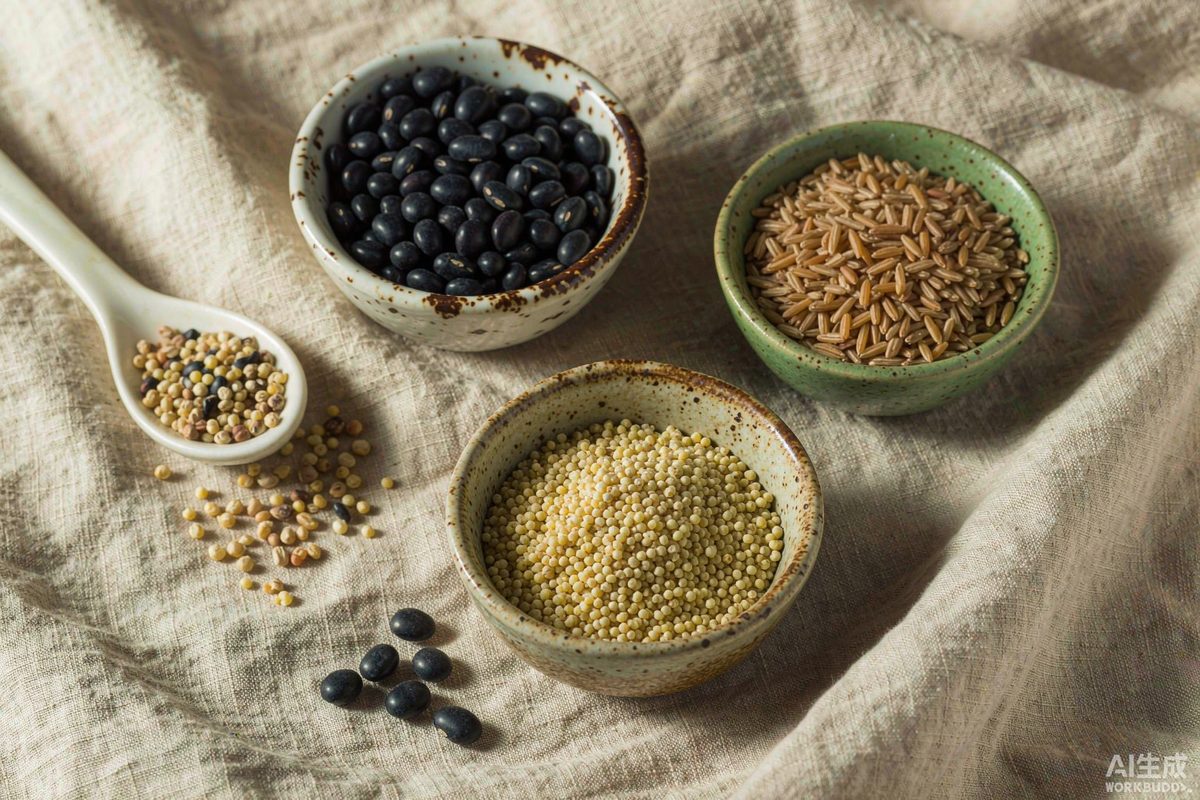
Green tea is the closest thing to a raw leaf you'll drink. The picked leaves get heated within hours of harvest — steamed in Japan, pan-fired in China — to kill the oxidation enzymes, then rolled and dried. That minimal processing keeps the leaf green, grassy, and, from a TCM standpoint, cool. It's the tea's original energetic, intact.
The TCM profile: cool to slightly cold, bitter-sweet, entering the Heart, Liver, Lung, and Stomach channels. It clears Heat from the head and upper body, brightens the eyes, resolves phlegm, promotes urination, and wakes the mind. The old phrase — 'quenches thirst and cools summer-heat' — captures the everyday use. The bitterness drains and sends things downward; the sweetness nourishes and harmonizes.
Drink it in the morning or early afternoon. That's when Yang is rising, and green tea's cool, brightening push fits the curve of the day. The window I usually suggest is 10 AM to 2 PM — after breakfast, before the afternoon dip. Evening green tea can cost you sleep, especially if you're already prone to insomnia or run Yin-deficient.
Who benefits? People running hot: red face, irritability, thirst for cold drinks, dark urine, inflammatory skin, a red tongue with a yellow coat. Outdoor workers in summer. Anyone with that hot, heavy, foggy feeling in the head after hours of mental work. And the classic Liver Heat crowd — temporal headaches, red eyes, a short temper.
The science mostly lines up with the tradition. A 2016 meta-analysis in the American Journal of Clinical Nutrition pooled 14 studies with over 850,000 participants and found green tea drinkers had lower cardiovascular risk, with the strongest effects at three to five cups a day. The likely players are the catechins, especially EGCg, which have anti-inflammatory and antioxidant activity.
EGCg also partially blocks COMT, the enzyme that breaks down dopamine and norepinephrine — a plausible mechanism for green tea's reputation as a mind clearer.
But green tea isn't for everyone, and I see the mismatch all the time in clinic. If your hands and feet run cold, your stools are loose, and you're the person always reaching for a sweater, the cooling nature can suppress what little digestive fire you have — bloating, nausea, and worse cold symptoms follow. Same warning for Spleen Qi deficiency: poor appetite, fatigue after meals, loose stools.
TCM cautions pregnant women about green tea's cool, descending nature, and anyone on warfarin should know the vitamin K content can interfere.
Brew it gently. Water at 175°F (80°C) — just before a rolling boil, with small bubbles forming — and a two-to-three-minute steep. The leaves will give you two or three infusions, each a bit mellower and sweeter than the last. Boiling water scalds the tender leaves, turns them bitter, and shifts the whole cup from 'cooling' to 'irritating.' Brewing is part of the medicine.
- If green tea makes you nauseous — a common complaint — you may be brewing it with water that's too hot, steeping too long, or drinking it on an empty stomach. Try 175°F water, 90-second steep, and always drink it with or after food. If nausea persists, your Spleen may be too cold for green tea — switch to oolong.
- The 'three-cup rule' for cardiovascular benefit reflects both modern epidemiology and traditional dosing wisdom. In TCM terms, one cup moves Qi, two cups clear Heat, three cups begin to drain Dampness. Beyond three cups, the cooling effect can become excessive for most constitutions.
- Chinese green teas (Longjing, Bi Luo Chun, Mao Feng) and Japanese green teas (Sencha, Gyokuro, Matcha) have different energetics. Pan-fired Chinese greens are warmer than steamed Japanese greens, because the firing process adds a subtle warming note. If Japanese green tea feels too cold for your stomach, try a Chinese pan-fired green.
"Green tea cools summer-heat, clears the head and eyes, and dispels the fog of drowsiness. It is the sovereign of cooling herbs — gentle enough for daily use, powerful enough to be called medicine."
Black Tea Warms What Green Tea Cools
Black tea is green tea's opposite number. The leaves are withered, rolled to break the cell walls, and left to oxidize completely before drying — a full transformation that turns the leaf dark, the liquor red, and the TCM energetic from cool to warm. That's why the Chinese call it hong cha, 'red tea,' after the color of the cup rather than the leaf.
The TCM profile: warm, sweet with a touch of bitterness, entering the Heart, Spleen, and Stomach channels. It warms the center, strengthens the Spleen and Stomach, moves digestion along, circulates Blood, and gently astringes — the traditional answer to loose stools.
The sweetness feeds the Spleen, the warmth lights the digestive fire, and the mild bitterness dries Dampness without draining fluids the way stronger bitters do.
Morning is its time. Black tea is the breakfast tea, and not just culturally — the warmth supports the digestive fire that's supposed to be strongest early in the day, and the caffeine gives you clean, sustained energy rather than coffee's jittery spike. It's also the best cup to reach for after a heavy or greasy meal. Evening drinkers beware if you're caffeine-sensitive.
In TCM terms, black tea is nearly tailor-made for cold patterns: cold hands and feet, loose stools, fatigue that lifts with warmth, a pale puffy tongue. It fits the Spleen Qi deficiency crowd too — poor appetite, bloating after meals — because it warms the Spleen while its astringency stops the 'leakage' that shows up as loose stools. And on a cold winter morning, it's an internal heating pad.
The oxidation changes the chemistry in ways researchers can measure. The catechins that dominate green tea get converted into theaflavins and thearubigins — bigger, more complex polyphenols that give black tea its color and briskness. Theaflavins blunt post-meal blood sugar spikes and improve insulin sensitivity; a 2019 BMJ study linked black tea drinking with lower fasting glucose and reduced type 2 diabetes risk.
Thearubigins feed beneficial gut bacteria, especially Bifidobacterium.
Who should skip it? People with Yin deficiency with Heat — night sweats, hot palms and soles, dry mouth, a red tongue with little or no coat. The warmth aggravates the underlying Heat, and the astringency dries what little fluid is left. Liver Fire types — severe irritability, red eyes, a bitter taste in the mouth — are adding fuel to a fire that's already too big.
And if you have reflux or ulcers, the tannins can kick up gastric acid.
Brew black tea hot and strong: full boil (212°F), three to five minutes. The leaves can take it — they need it. A slice of fresh ginger in the pot is a classic cold-season move that amplifies the warming effect and adds an anti-nausea note. Milk is a personal call.
It tempers the warmth and astringency and makes the cup friendlier to Yin-deficient drinkers, but if you carry Dampness or a weak Spleen, skip the dairy — it's a Dampness generator.
- The ginger-black tea combination (two slices of fresh ginger steeped with black tea) is my grandmother's first-line treatment for the earliest stage of a cold — when you feel chilled, sneezy, and your neck is stiff. The ginger releases the exterior (disperses Wind-Cold); the black tea warms the interior and supports the body's defensive Qi. Drink it as hot as you can tolerate and get under a blanket.
- If black tea makes you feel 'overheated,' flushed, or gives you heartburn, your constitution probably has underlying Yin deficiency or Stomach Heat. Switch to oolong or aged white tea — both are less warming.
- The classic English Breakfast and Earl Grey blends are primarily made from black teas. The bergamot oil in Earl Grey adds a Liver-Qi-moving dimension (citrus peels in TCM course the Liver and regulate Qi), making Earl Grey an interesting choice for stress-related digestive sluggishness.
"Black tea warms the middle, harmonizes the Stomach, and disperses food accumulation. After a heavy meal, one cup of black tea — and the Stomach feels light, the mind clear, the body at ease."
Oolong: Can One Tea Really Suit Almost Everyone?
Oolong lives in the gap between green and black, and that gap is wide. Oxidation can run anywhere from 15% to 80%, so the category covers a lot of ground. A lightly oxidized Tieguanyin or high-mountain Taiwanese oolong tastes floral and green and drinks cool. A heavily oxidized Da Hong Pao or Oriental Beauty is fruity, sometimes roasted, and genuinely warming. Same plant, same family name, almost opposite cups.
That spectrum is exactly why TCM calls oolong the harmonizer. The profile runs neutral to slightly warm — sweet, a bit bitter, with a fragrance that matters: in TCM, aromatic substances move Qi. It enters the Spleen, Stomach, and Lung channels, harmonizes the middle burner, gently unsticks stagnant Qi, and moves digestion along without overheating anything.
It generates fluids and clears the head without the jangle of stronger stimulation.
Oolong is also the only true tea I can recommend at almost any hour. Morning, it wakes you gently. Afternoon, it handles the post-lunch slump without lingering in your system the way green or black tea can. After dinner, a lightly oxidized oolong supports digestion without costing you sleep — skip the heavily roasted ones at night.
Who's it for? Almost everyone, honestly. It's the default cup when someone has no clear TCM pattern — unlikely to harm, likely to help a little. It's the Goldilocks answer for people who find green tea too cooling and black tea too stimulating. And it's genuinely useful for the Qi stagnation crowd: stress, irritability, PMS breast distention, that lump-in-the-throat feeling.
The floral high-mountain oolongs are especially good here — fragrance courses the Liver and opens the orifices, as the old texts say.
Mixed patterns are where oolong shines brightest. Say you've got Spleen Qi deficiency and mild Liver Heat at the same time — common enough. Green tea cools the Liver but punishes the Spleen; black tea warms the Spleen but feeds the Liver fire. Oolong threads the needle.
There's also the brewing ritual itself, and I don't think it's incidental. Gongfu cha — a small clay pot or gaiwan, a generous amount of leaf, a series of short infusions — forces you to slow down. Tiny cups, successive steeps, each revealing a different facet of the tea. It's a seated meditation disguised as tea preparation, and it lights up the parasympathetic nervous system in a way a travel mug never will.
Two cautions. If oolong leaves you with a dry mouth or a sour stomach, your Stomach may be short on Yin fluids — switch to white tea, or add a little honey. And the very caffeine-sensitive should still watch their intake. For everyone else: water at 190-200°F (88-93°C), 5-7 grams of leaf per 150 ml pot, a quick rinse to wake the leaves, then short steeps — 20-30 seconds to start, adding 10-15 seconds each round.
A good oolong will give you five to ten distinct infusions, and each one tastes slightly different.
- If you're going to invest in one high-quality tea, make it oolong. A $30 bag of Tieguanyin, resteeped 5-7 times, costs less per cup than a box of commodity tea bags — and the therapeutic difference is night and day. Good oolong, brewed gongfu style, is the most versatile tea medicine in your cabinet.
- Lightly oxidized vs. heavily oxidized oolong is a meaningful energetic choice. Light Tieguanyin (modern style, green, floral) is closer to green tea — better for summer and mild Heat patterns. Traditional charcoal-roasted Tieguanyin or Wuyi rock teas (Da Hong Pao, Rou Gui) are warmer — better for winter and cold-pattern digestion.
- The 'tea drunk' phenomenon — a pleasant, slightly euphoric, meditative state that experienced gongfu tea drinkers describe — is partly the L-theanine and caffeine synergy, partly the repeated small-dose ritual, and partly (in TCM thinking) the Qi-moving effect of the tea's aromatic compounds opening the chest and clearing the mind.
"Oolong tea is neither cold nor hot, neither yin nor yang in excess. It harmonizes without forcing, moves without scattering, and calms without sedating. Among all teas, it is the most balanced — the great mediator of the tea world."
Pu-erh: The Tea That Digests Your Dinner
Pu-erh is the odd one out — it's not classified by oxidation at all, but by fermentation. It comes exclusively from Yunnan Province, made from the large-leaf Camellia sinensis var. assamica, and it undergoes a post-production fermentation that lasts months in the case of ripe (shou) pu-erh, or decades for raw (sheng) pu-erh aging naturally.
No other processing method changes the tea this deeply — both the chemistry and the energetics.
The TCM profile: warm for ripe pu-erh, neutral-warm for well-aged raw, sweet with a slight bitterness and that signature earthy, woody depth. It enters the Spleen, Stomach, Liver, and Large Intestine channels.
The actions read like a digestive medicine list: warms the Spleen and Stomach, drains Dampness and transforms Phlegm, 'scrapes fat' — a vivid TCM phrase for moving stagnant lipids — promotes bowel movements, and 'awakes the Spleen' after heavy or greasy meals.
Ripe and raw are almost different teas. Ripe (shou) pu-erh — made with the wet-piling process called wo dui — is warm, earthy, mushroomy, and drinkable immediately. It's deeply warming and Dampness-draining from the first infusion. Young raw pu-erh (under five years) is closer to green tea: cooling, astringent, sometimes harsh on the stomach.
Aged raw pu-erh, ten years or more, is something else entirely — the coolness gives way to warmth, the astringency mellows into sweetness, and connoisseurs talk about it the way wine collectors talk about old Bordeaux.
The classic use is after meals, especially the heavy, greasy, protein-rich kind. This is the post-dim-sum tea, the after-banquet digestive. The warmth stimulates the Spleen, the fermentation byproducts act like natural digestive enzymes, and the fat-scraping action helps metabolize the lipids that would otherwise settle in as Dampness.
Ripe pu-erh is fine in the evening too — moderate caffeine, and the warm, grounding quality actually eases the transition into rest.
Its sweet spot is Dampness and Phlegm: heavy, sluggish body, foggy head, sticky mouth, loose sticky stools, a tendency to gain weight around the middle. Warmth transforms Dampness the way sun dries puddles; bitterness drains it.
It also helps with food stagnation — bloating, reflux, that 'the food just sits there' feeling — and with the constipation that comes from Spleen Qi deficiency, the kind where stools are dry and evacuation feels incomplete.
The cholesterol research is unusually strong for a tea. A 2017 randomized controlled trial in the Journal of Agricultural and Food Chemistry gave pu-erh extract to people with metabolic syndrome and found significant drops in total cholesterol, LDL, and triglycerides, with HDL rising.
The mechanisms are interesting: theabrownins unique to fermented tea, plus microbial metabolites from the fermentation itself — including lovastatin, a naturally occurring statin produced by the tea's own microorganisms. TCM has called hyperlipidemia 'turbid Phlegm in the Blood' for centuries; the modern data lines up.
Cautions: Yin deficiency with Heat will not enjoy pu-erh — night sweats, hot flashes, dry mouth, restlessness all get worse. Liver Fire types should steer clear too. And TCM says avoid it in pregnancy entirely — the strong moving action, the caffeine, and the uncertain effects of some microbial metabolites.
Brewing demands a full boil (212°F) and a double rinse to wake the compressed cake, then 30-60 second steeps that lengthen each round. Good pu-erh resteeps eight to fifteen times, moving through earthy, sweet, woody, and mineral phases.
- Pu-erh is the best friend of anyone who eats out frequently — business dinners, holiday feasts, restaurant meals where you can't control the cooking oil quality. A pot of pu-erh after a restaurant meal dramatically reduces the next-day bloating and sluggishness that heavy restaurant food produces.
- Ripe pu-erh is the safest entry point for beginners. It's immediately drinkable, reliably warm and earthy, and doesn't require the aging investment of raw pu-erh. Start with a reputable brand (Menghai Tea Factory / Dayi is the gold standard) — cheap, poorly fermented pu-erh can taste fishy or musty.
- Aged raw pu-erh (10+ years) is the connoisseur's tea and the most complex medicine. But beware fakes — the pu-erh market is full of counterfeits. Buy from a trusted specialty vendor who can verify the provenance, storage conditions, and age. A properly stored 20-year-old raw pu-erh from a famous mountain is worth its weight in gold — both as tea and as medicine.
"Pu-erh warms the Stomach, disperses food, and eliminates grease. It generates fluids, quenches thirst, and — for those who suffer from cold Stomach and rebellious Qi — it is the sovereign remedy among fermented things."
White Tea: Summer Relief With the Gentlest Touch
White tea does the least of any tea. The buds and young leaves are simply withered — allowed to lose moisture under controlled conditions — and dried. No rolling, no firing, no oxidation, no fermentation. The leaf stays about as close to its living form as tea ever gets, and in TCM terms that means its original cool, sweet, gentle nature is fully intact.
The profile: cool to slightly cold, but gentler than green tea. Sweet, with almost no bitterness. It enters the Lung, Stomach, and Heart channels, clears Heat — especially Summer-Heat — generates fluids, quenches thirst, calms restlessness, mildly moistens dryness, and brightens the eyes. The defining quality is gentleness.
Where green tea hits like a splash of cold water on a hot face, white tea moves like a cool breeze through a shaded window.
That gentleness is the whole point. It's the cooling tea for people who can't take cooling teas: the elderly, the convalescent, children, anyone whose stomach objects to green tea. The near-absence of bitterness means the Stomach gets a sweet-cool message instead of a bitter-cool shock.
Summer afternoon is its moment. White tea is the traditional answer to 暑热 (shu re) — the pattern of heat exhaustion where you're thirsty, irritable, heavy-headed, urinating little and dark, and hot in a way that won't come out in sweat. A chilled — not iced — cup is the classic Chinese summer restorative. It's also the best evening tea among the true teas: lower in caffeine, sweet and calming as the day winds down.
I also reach for white tea with mild Yin deficiency — dry mouth, dry skin, a touch of night sweats that hasn't tipped into full-blown Heat. It moisturizes gently, without the Dampness risk that heavier fluid-generating foods carry. And the grades matter: Silver Needle (Bai Hao Yin Zhen), pure buds, is the most cooling and most Yin-nourishing.
White Peony (Bai Mu Dan) includes young leaves, slightly less cooling, fuller flavored, easier on the wallet. Shou Mei, the mature-leaf tea, runs warmest — especially once aged.
Aged white tea deserves its own paragraph. Over three to seven years the cooling nature gradually warms, the sweetness deepens, and medicinal notes develop. At seven-plus years it's treated as a gentle Lung tonic in TCM — the traditional home remedy for chronic dry cough and throat tickle. Chinese families keep a cake of it around specifically for respiratory complaints.
The cautions are short: Yang deficiency (cold hands and feet, loose stools, aversion to cold) shouldn't drink it daily in quantity, and severe Spleen Qi deficiency with Dampness means the fluid-generating side could work against you. Brew at 175-185°F (80-85°C) for two to four minutes — the tender buds are even more heat-sensitive than green tea. If it turns bitter, the water was too hot or the steep too long.
Use a glass vessel; watching the silver buds float and dance is part of the therapy — in TCM language, entering through the eyes to calm the Shen.
- Aged white tea (3+ years) is a different medicine than fresh white tea. The cooling nature warms over time, and the tea develops expectorant and Lung-moistening properties that make it useful for dry coughs, throat tickles, and autumn dryness. Traditional Chinese families keep a cake of aged white tea specifically for respiratory complaints.
- White tea is the best choice for iced tea — if you absolutely must drink iced tea, make it from white tea. Its inherent sweetness means no sugar is needed, and its gentle nature is less shocking to the system than iced green or black tea. But 'cool' is better than 'cold' — refrigerate it, don't pour it over ice.
- The 'sweetness' of good white tea is a genuine flavor, not added sugar. This natural sweetness (from amino acids and subtle polysaccharides, not glucose) makes white tea an excellent substitute for sugary drinks — it satisfies the sweet craving without generating Dampness or spiking blood sugar.
"White tea cools without damaging, clears without stripping, and calms without sedating. Among cooling substances, it is the most refined — the scholar's cooling herb, the gentle medicine for sensitive constitutions."
Chrysanthemum Brightens the Eyes — and It Isn't Even Tea
Strictly speaking, chrysanthemum tea isn't tea at all — it's the dried flowers of Chrysanthemum morifolium, not the leaves of Camellia sinensis. But leave it out of a tea medicine guide and you'd be ignoring the most commonly consumed herbal infusion in China after true tea. It lives in the home pharmacy alongside green, black, and pu-erh. It belongs here.
The profile: slightly cold to cold, sweet and bitter, entering the Liver and Lung channels. Its signature action is clearing Liver Heat and brightening the eyes.
It also disperses Wind-Heat from the upper body — think the first day of a cold with sore throat, red eyes, and headache — calms the Liver and anchors rising Yang, which covers the hypertension-pattern headaches and dizziness, and it mildly clears Heat-toxicity from the skin.
In practice, I prescribe it for two scenarios more than any others: eyes that are red, dry, painful, or irritated from Liver Heat — the screen-strained modern eyes — and the very beginning of a Wind-Heat cold. If you've spent eight hours staring at a monitor and your eyes feel like sandpaper by five o'clock, this is your daily medicine.
The classic pairing is with goji berries — chrysanthemum plus 枸杞 (gou qi zi). The formula works on two ends: chrysanthemum clears the Liver Heat that clouds vision, while goji nourishes the Liver Blood and Kidney Yin that sustain it.
The modern translation is tidy: chrysanthemum is anti-inflammatory and mildly vasodilatory for the eye's small vessels; goji supplies zeaxanthin and lutein, the macular pigments that protect the retina, plus polysaccharides that support the tear film. Chinese students and programmers keep a jar of the pair on their desks for a reason.
Other combinations, each aimed at a different problem. Chrysanthemum with mint (bo he) amplifies the Wind-Heat-dispersing effect — the move for the very first sign of a cold, since mint's aromatic upward push helps release the exterior.
With honey, for a dry cough and slight Heat: the honey moistens the Lung and Stomach and rounds off the bitterness — but never add honey to boiling water; let the cup cool first or you destroy the enzymes. With hawthorn berry (shan zha), for the hot-and-heavy post-meal state — digestive sluggishness with irritability and red eyes; hawthorn's sour-sweet profile moves stagnation and Blood stasis.
With cassia seed (jue ming zi), for constipation with Liver Heat: cassia moistens the intestines, chrysanthemum clears the heat rising to the head. That last one is a treatment formula, not a daily drink — treat it with respect.
Timing is flexible because there's zero caffeine. Chrysanthemum is the perfect evening infusion for people who want a warm ritual without sleep disruption, and it's excellent during screen breaks — a cup every couple of hours on a long work session genuinely takes the edge off eye strain and the irritability that builds with prolonged focus.
It also suits summer: cooling, clearing, and commonly served chilled across China.
The research holds up reasonably well. A 2019 review in the Journal of Ethnopharmacology documented anti-inflammatory effects through luteolin and apigenin — two flavonoids with COX-2 inhibitory activity — antioxidant capacity comparable to green tea in some assays, and protective effects in animal models of dry eye and retinal oxidative stress.
The 'brightening the eyes' mechanism looks multilayered: anti-inflammatory, antioxidant, better ocular blood flow, more stable tear film. The honest caveat: most of the eye work is animal and lab data, not large human trials.
Who should avoid it? Yang deficiency with cold — chrysanthemum will worsen cold extremities, loose stools, and weak digestion. Anyone prone to diarrhea should be careful, since its cold, descending nature can aggravate Spleen Yang deficiency.
TCM traditionally avoids it in pregnancy — it's considered too cooling and moving — though occasional light consumption is generally viewed as safe by modern standards; ask your practitioner. Brewing is simple: four to six flowers per cup, water just off the boil at 195-205°F (90-96°C), steep three to five minutes. Add the goji berries at the same time so they plump.
Use a glass cup — watching the yellow flowers and red berries drift is half the medicine.
- Chrysanthemum varieties matter. Hang Bai Ju (white chrysanthemum from Hangzhou) is the gentlest and sweetest. Huang Shan Gong Ju (yellow mountain chrysanthemum) is the strongest — best for acute Heat conditions. Tai Ju (from Anhui) is the most commonly available and a good all-purpose choice. Avoid 'chrysanthemum tea blends' from commercial tea brands — they often contain minimal actual chrysanthemum and loads of sugar.
- Goji berries should be a deep red-orange and slightly sticky — if they're dull, brownish, and completely dry, they're old and have lost their therapeutic potency. Buy from a Chinese herbal pharmacy or a reputable brand that specializes in TCM herbs, not the bulk bin at a generic health food store where turnover is slow.
- If chrysanthemum tea gives you loose stools, you're either drinking too much of it or your Spleen Yang is too weak for its cold nature. Cut back to 2-3 flowers per cup, add a thin slice of fresh ginger (which warms and counterbalances the cold), and always drink it warm, never cold.
"Chrysanthemum is sweet, bitter, and slightly cold. It disperses Wind, clears Heat, and brightens the eyes. For red, painful, swollen eyes — whether from Wind-Heat attack or Liver Fire blazing upward — there is no herb more specific in its action than chrysanthemum."