Why Your Sleeping Position Isn't Just Comfort — It's Body Geography
We spend a third of our lives horizontal, and nobody teaches us how to do it. Sleep hygiene advice covers room temperature, screen time, caffeine, mattress firmness — but sleeping position is treated like a personality quirk. You're a side sleeper. A back sleeper. You fall asleep however you fall asleep, end of discussion.
TCM disagrees. Loudly. Your body is covered in channels — meridians that conduct Qi along specific anatomical pathways. The Bladder meridian runs down your back. The Stomach meridian traces the front of your thigh and abdomen. The Gallbladder meridian snakes from the outer corner of your eye to the tip of your fourth toe, winding along the side of the body.
When you lie in one position for seven or eight hours, you're compressing some channels and decompressing others. You're reshaping your internal geography in ways that either support or disrupt the organ clock's nightly work.
The Yellow Emperor's Inner Canon discusses posture and organ function together — as causally connected, not casually adjacent. Sun Simiao, the great Tang Dynasty physician, wrote specific sleeping-posture instructions in his Essential Formulas for Emergencies. He advised against certain positions and recommended others based on constitutional patterns and seasons. This wasn't folk wisdom.
It was applied medical theory, built on centuries of careful observation.
And now Western research is arriving at some of the same conclusions. A 2015 study showed side sleeping improves glymphatic clearance — the brain's waste-removal system — compared to supine. A 2017 review confirmed side sleeping is better for spinal alignment than stomach sleeping.
A 2020 systematic review found side sleeping reduced apnea-hypopnea scores and improved sleep quality in people with positional sleep apnea. The ancients didn't have fMRI or polysomnography. But they had a theoretical framework — the meridian system — that gave them a map for understanding why position matters. Here's that map.
- Tonight, notice your default position before you drift off. Don't change it — just observe. This is your baseline. It tells you more about your body's unconscious compensatory patterns than any questionnaire.
- The fact that you 'always sleep this way' doesn't mean it's right for you. Chronic patterns are often compensatory — your body finds the position that causes the least discomfort right now, not the one that provides the best restoration.
- Nobody stays in one position all night. The goal isn't to be perfectly still for 8 hours. It's to fall asleep and return to sleep in a position that supports rather than strains.
"When one lies down, Blood returns to the Liver. The position of the body determines the ease with which Blood flows back to its reservoir."
Left Side vs. Right Side: A 1,500-Year-Old Argument, Settled (Sort Of)
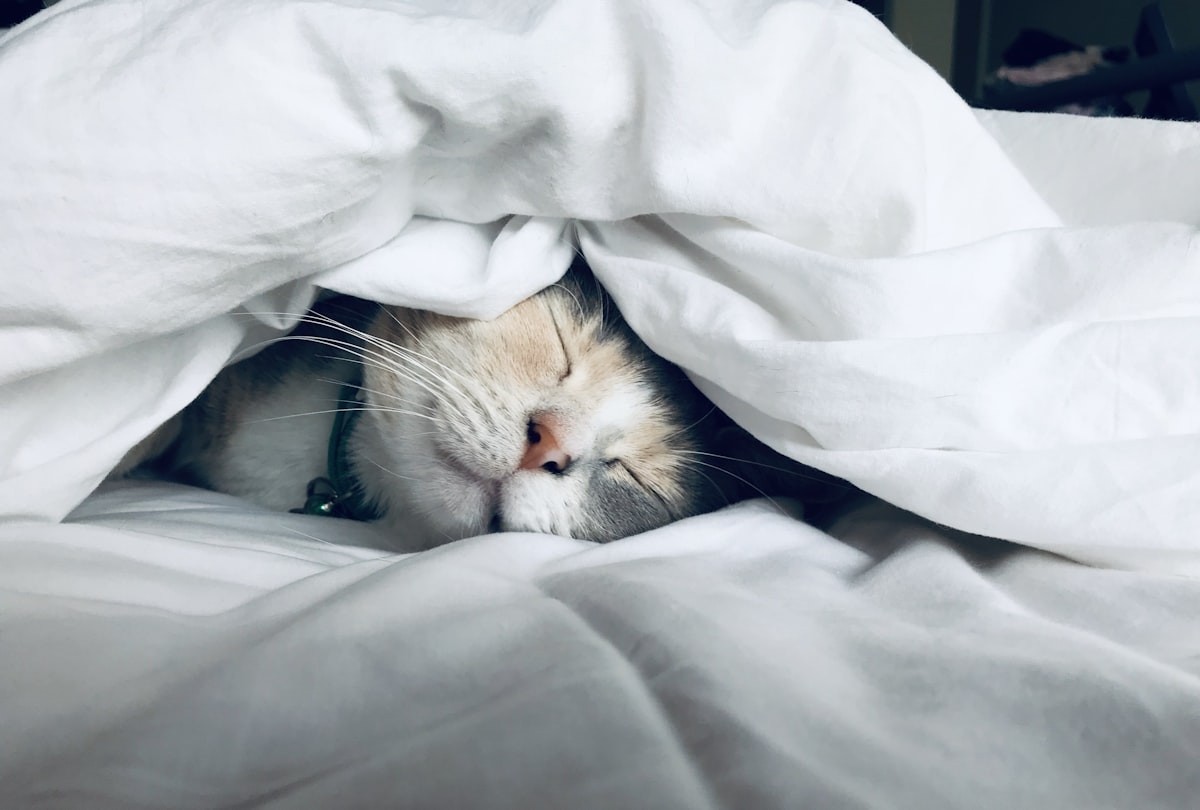
Ask ten TCM practitioners which side is better for sleep and you'll get a debate that's been running since at least the Tang Dynasty. The answer isn't one or the other. It's: what does your body need right now — and what time is it?
Left-side sleeping: the Spleen and Heart position. In TCM, the Spleen and Stomach sit on the left, and the Heart governs the left side. Sleeping on the left supports Spleen Qi — the energy that transforms food into Blood — and eases the Heart's workload. The aorta arcs leftward; lying on the left reduces the gravitational resistance the Heart has to pump against.
Modern cardiology recommends left-side sleeping for heart failure patients for exactly this reason. Gastroenterologists recommend it for GERD — the stomach sits below the esophagus in this position, so acid stays where it belongs. Pregnant women are told to sleep on the left to improve uterine blood flow. Ayurveda, independently, arrived at left-side sleeping as optimal for digestion.
Right-side sleeping: the Liver position. The Liver occupies the right upper quadrant, and sleeping on the right places it in a dependent position — gravity assists blood flow into hepatic circulation. Given that the Liver meridian peaks from 1-3 AM and its primary nighttime function is blood storage and detoxification, right-side sleeping during this window makes physiological sense.
The Liver also processes emotional residue — anger, frustration, resentment. Sleeping right during its peak hour gives that work a gravitational assist.
The practical resolution: sleep on your left for the first half of the night, supporting digestion and cardiac function. Shift to your right for the second half, supporting the Liver during 1-3 AM. This isn't a prescription to set alarms and consciously flip — but if you wake naturally during the night, settle back to sleep on the side that matches the organ clock window you're in.
The 2020 systematic review in Sleep Medicine found that both left and right side sleeping were superior to supine for airway patency and snoring reduction. Neither side showed a clear advantage in the pooled data. Which tracks — the choice depends on your individual pattern, not a universal ranking.
- Digestive issues (bloating, reflux, slow digestion)? Start the night on your left. Wake irritable or between 1-3 AM? Settle back on your right.
- A knee pillow is non-negotiable for side sleeping. Without one, your top leg drops forward, rotating your pelvis and compressing the Gallbladder meridian along your lateral hip.
- Your bottom arm should not be trapped under your pillow and head. That compresses the Lung and Heart meridians through the shoulder. Extend it slightly forward instead.
"When sleeping on the side, bend the knees and keep the spine straight. This allows Qi to circulate freely through the Governing Vessel. Do not curl the body too tightly, for this obstructs the flow of Qi and Blood."
Back Sleeping: Perfect for Some, Dangerous for Others
Supine sleeping — flat on your back — is the TCM ideal for spinal alignment. The Du Mai (Governing Vessel) runs straight down the midline of the back, fully decompressed. The Bladder meridian, parallel on both sides, similarly unstrained.
For chronic back pain, sciatica, or degenerative disc issues, back sleeping with a pillow under the knees — to maintain the lumbar curve — is often the least painful and most restorative position.
Constitutionally, back sleeping is recommended for Kidney Yin Deficiency — the pattern that produces night sweats, hot flushes, tinnitus, lower back soreness, and that hot-restless insomnia that feels different from anxious mental racing. Lying supine lets excess Heat dissipate from the chest and abdomen into the surrounding air, supporting the natural nighttime descent of Yang.
It also eliminates the facial compression that, over decades, contributes to asymmetrical wrinkles — areas of chronic Qi stagnation along the facial meridians.
But there's a catch, and it's a big one. When you lie flat on your back, gravity pulls the tongue and soft palate backward toward the pharynx. For roughly 56% of people with obstructive sleep apnea, the supine position makes it significantly worse.
This is positional sleep apnea, and from a TCM view it's Phlegm obstruction — Dampness and Phlegm in the Lungs and upper airway physically blocking Qi flow (in this case, literal airflow).
The TCM recommendation for someone with a Phlegm-Dampness constitution — heavier build, foggy-headed, phlegmy, thick tongue coating — has always been: don't sleep on your back. Modern sleep medicine reached the same conclusion, just through polysomnography instead of pulse diagnosis.
The fix: a wedge pillow elevating the upper body by 7-12 degrees. It doesn't cure positional apnea, but studies show it can reduce the apnea-hypopnea index by 30-50%. Enough to move someone from moderate to mild, or mild to subclinical — and enough to preserve the spinal benefits of supine sleeping while keeping the airway open.
If you wake with a dry mouth, sore throat, or morning headache, you're probably experiencing airway narrowing on your back. These are signs of oxygen desaturation during sleep. Try the wedge, or switch to side sleeping entirely.
- Back sleeping rookie setup: pillow under the knees to tilt the pelvis posteriorly, flattening the lumbar spine against the mattress. Without this, most people's lower backs arch within 15 minutes.
- Back-sleeping pillow should be lower than what you'd use for side sleeping — just enough to fill the gap between your occiput and the mattress without pushing your chin toward your chest.
- Morning dry mouth, sore throat, or headache = probable airway narrowing on your back. These are signs of O2 desaturation. Wedge pillow or side sleeping.
"When lying on the back, the limbs should be extended but relaxed, the hands resting on the lower abdomen. This position allows the Governing Vessel to open and the Conception Vessel to close, facilitating the natural circulation of the microcosmic orbit."
The Fetal Position Is a Diary Your Body Doesn't Know It's Writing
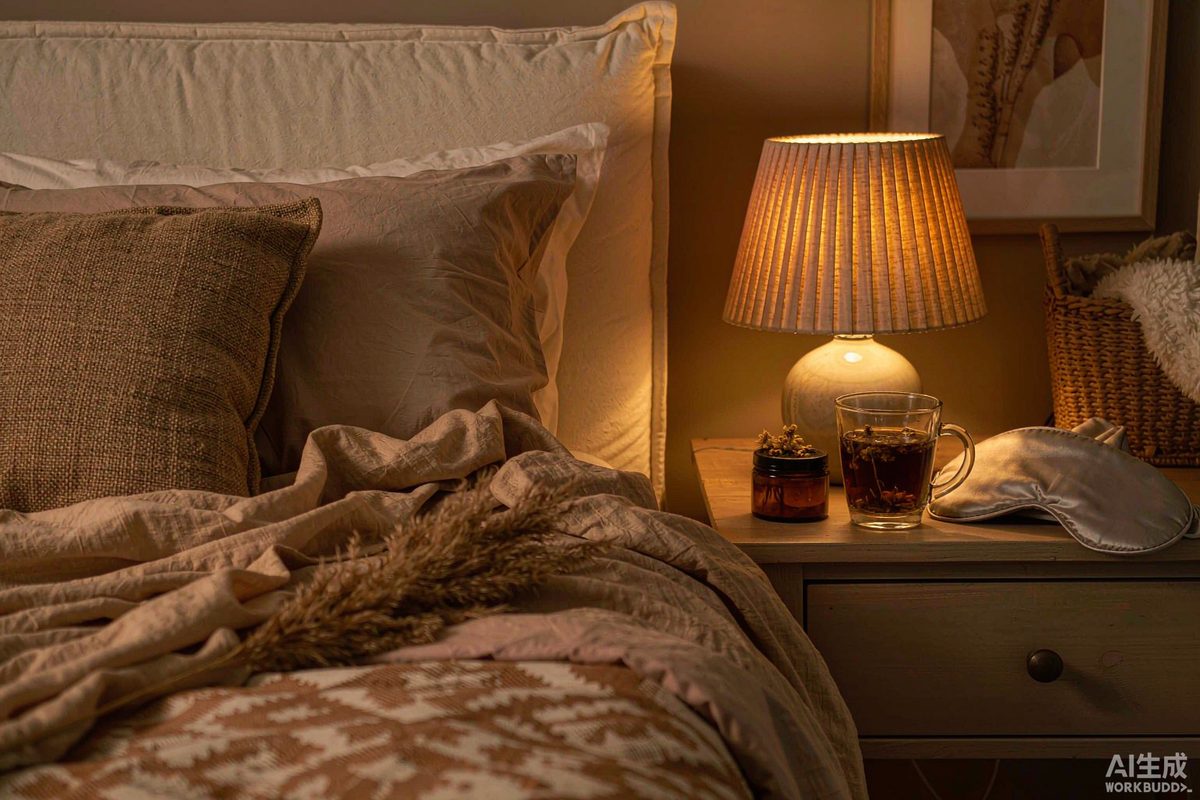
The fetal position — curled on one side, knees toward chest — is one of the most common sleep postures and one of the most emotionally revealing. In TCM, how tightly you curl during sleep correlates with what your Shen is doing. A relaxed curve (knees at roughly 90 degrees, spine neutral, arms relaxed) is the TCM side-sleeping ideal. Sun Simiao describes it: knees bent, spine straight, limbs relaxed.
It supports the Spleen and Stomach, lets Qi circulate, and provides containment without constriction.
A tight fetal curl — knees pulled to the chest, spine rounded into a C, arms wrapped tightly around the body or pillow — is a different animal. This is protective posture. The chest, housing the Heart and Lungs (and therefore the Shen and Po, the corporeal soul), is fully enclosed. The abdomen, housing the digestive organs and the Lower Dan Tian, is compressed.
The Ren Mai (Conception Vessel) and Chong Mai (Penetrating Vessel) — two of the most important Yin channels in the body — are cinched tight for hours.
Clinically, tight-curlers present with ribcage tension, shallow breathing, digestive complaints (bloating, constipation), and the emotional profile of constrained Liver Qi: feelings held close, difficulty expressing anger, a tendency to internalize stress. The position and the emotional pattern reinforce each other.
Body curls to protect → curl restricts Qi → restriction generates stagnation → stagnation reinforces the need to protect. It's a loop.
Zhu Danxi, the Yuan Dynasty physician, wrote extensively about how constrained emotions — anger, frustration, unexpressed desire — generate pathological Fire that consumes Yin. The tight fetal curl is constraint made physical. His core insight: you can't nourish Yin while your body is bracing.
The fix isn't forcing yourself into full extension overnight. That feels unsafe. Use pillows to prevent the extreme curl while preserving the sense of containment. A body pillow hugged against the chest, a knee pillow between the legs. Your spine stays straighter, your airway stays open, and your Ren Mai and Chong Mai aren't being strangled for seven hours. Gradual decompression — think weeks, not days.
Morning check: can you take a full belly breath without ribcage restriction? If not, your sleep position is compressing your torso.
- Don't go from tight curl to full extension. That feels unsafe. Transition via body pillow — it provides the containment sensation without the extreme spinal flexion.
- Consider what you're protecting against. The tight curl often correlates with a hypervigilant nervous system — trauma, chronic anxiety, or a living situation where safety isn't certain.
- Morning self-check: can you take a full, deep belly breath? Tight ribs or stuck diaphragm = your sleep position is compressing your torso.
"When the emotions are constrained, the Qi becomes knotted. When Qi is knotted, Fire arises. When Fire arises, Yin is consumed. This is the root of the hundred diseases."
Stomach Sleeping: TCM Says Don't. Modern Biomechanics Agrees.
Stomach sleeping is the least recommended position in TCM. Flat-out. The reasons stack up quickly — meridian compression, organ stress, spinal mechanics, breathing restriction.
Meridian-wise, you're compressing the entire anterior surface — chest, abdomen, throat. That's where the Ren Mai (Conception Vessel) runs, the primary Yin channel governing all Yin meridians. The Stomach meridian traces down the chest and belly. The Kidney meridian ascends from the groin along the midline. Lying on all of this for hours restricts Yin Qi flow precisely when Yin should be in its nightly ascendance.
Organ mechanics: the Heart sits between the sternum and spine. The Lungs surround it. Stomach sleeping compresses the ribcage front-to-back, reducing lung expansion — you're literally restricting your own breath for seven hours. In TCM terms, you're physically constraining the Heart Shen, the very spirit that needs to rest.
The neck position is biomechanically indefensible. To breathe, you rotate your head roughly 90 degrees to one side — every night, for hours. This twists the cervical spine at C1-C2, where the vertebral artery enters the skull, compressing the Bladder meridian and Du Mai at their most concentrated point. Result: morning neck stiffness, tension headaches, and, over time, accelerated cervical degeneration.
Chiropractors see this constantly — the chronic neck pain patient who's been a stomach sleeper for twenty years and never made the connection.
The lower back: stomach sleeping forces the lumbar spine into extension (arching), compressing facet joints and narrowing the foramina where nerve roots exit. For anyone with spinal stenosis, disc herniation, or facet arthritis, stomach sleeping is making it worse every single night.
One exception worth noting: people with Qi Stagnation in the Bladder meridian — chronic low back pain that's worse with rest, better with movement — sometimes report that stomach sleeping briefly helps because lumbar extension opens the spinal canal slightly, decompressing nerves. This is short-term relief creating long-term damage.
The TCM answer isn't to embrace the position; it's to treat the Bladder meridian stagnation with acupuncture, gua sha, or movement therapy so side or back sleeping becomes tolerable.
If you genuinely can't fall asleep any other way, the harm-reduction plan is: thinnest possible pillow (or none), pillow under the hips to reduce the lumbar arch. But the real answer is retraining — covered next.
- Try the 'half-stomach' transition: lie on your side but rotate your torso slightly forward. It's less extreme and gradually weans your body off the stomach pattern.
- Stomach sleeping + high pillow = worst combination. Neck rotation angle increases with pillow height. If you must stomach-sleep, no pillow or the thinnest one you can find.
- Morning jaw pain or TMJ clicking? Often traces to stomach sleeping — your jaw gets laterally deviated against the pillow all night. Silk pillowcase reduces the friction, but position change is the real fix.
"Do not sleep face-down. This position compresses the chest, obstructs the breath, strains the neck, and prevents the Heart and Lungs from performing their nightly restoration."
How to Retrain Your Sleep Position Without Frustration
Changing a sleep position you've used for years — maybe your whole life — is hard. Sleep position is unconscious. You fall asleep one way and wake up another with no memory of the shifts in between. But it can be retrained. The method is simpler than most people think.
Core principle: use pillows as positional barriers and supports. Make your target position comfortable and your old position physically awkward. Your unconscious body takes the path of least resistance every time. Make the desired position the easiest option, and it follows.
For back sleeping: firm pillow under the knees (this flattens the lumbar spine — without it, your lower back arches within 15 minutes). Cervical pillow or towel roll under the neck to fill the occipital gap without tilting the chin. A pillow on each side, snug against your hips and shoulders — these are roll-prevention barriers.
If you're a stomach sleeper transitioning to back, this barrier method is the most reliable approach.
For side sleeping: knee pillow between the legs (keeps pelvis level, spine neutral, prevents top-leg drop). Body pillow or second standard pillow hugged against the chest (prevents the top shoulder from collapsing forward, which compresses the Lung and Heart meridians). Bottom arm extended slightly forward — never trapped under your head.
A pillow wedged behind your back from the mid-back down prevents rolling onto your back.
Don't go cold turkey. Start by falling asleep in your target position, even if you wake up in the old one. Night one: 15 minutes. Night two: 20. Night three: 30. Your nervous system needs time to register the new position as safe. A position you've slept in for years carries a deep unconscious sense of security that can't be overwritten by willpower. Give it weeks.
Address the why. Your default position isn't random. Stomach sleeper? Your hip flexors might be chronically tight from sitting — stomach sleeping provides lumbar extension relief from anterior pelvic tilt. Fetal curler? Your nervous system may be seeking protective compression because your stress is running high.
Fixing the underlying pattern (tight hip flexors, chronic stress) makes the position change stick because you're not just changing the symptom — you're changing what your body is compensating for.
- The most common mistake: stomach sleeping → back sleeping directly. Too far. Transition stomach → side first using the half-stomach technique, then side → back.
- Weighted blankets can help with position retraining. The gentle pressure provides the containment sensation that fetal-curlers seek, making an extended posture more tolerable.
- If you wake up in your old position, don't get frustrated. Just reposition. Consistency over weeks matters more than perfection on any single night.
The Right Pillow for Your Body: A Constitutional Guide
Your pillow is the most customizable part of your sleep setup, and in TCM, pillow selection isn't just about neck support — it's about matching to your constitution. Height, material, shape all matter.
Pillow height by position. Back sleepers: medium-low, filling the space between the occiput and mattress without tilting the chin up or down. The cervical spine keeps its natural lordotic curve. Too high = chin tips toward chest, compressing the throat where Ren Mai runs and restricting the airway. Too low = head tips backward, hyperextending the neck and straining the Du Mai.
Side sleepers: higher — roughly the distance from the base of your neck to the outer edge of your shoulder. The goal is cervical spine parallel to the mattress, in line with the rest of the spine. Contoured cervical pillows are built for this — higher side bolus for side sleeping, lower center for back sleeping.
By material. Memory foam (contoured): firm, consistent support. Best for musculoskeletal patterns — chronic neck tension, cervical disc issues, shoulder pain. TCM-wise, memory foam's stable, grounded quality supports the Earth element (Spleen-Stomach). Helpful for Spleen Qi Deficiency — the overthinking, worrying, digestive-weakness pattern.
Buckwheat hull: traditional in East Asia, firm and moldable, naturally cooling. The hulls shift to conform while providing support, and the air gaps dissipate heat. Best for Heat patterns — Liver Fire (irritability, red face, headaches) or Heart Fire (restlessness, mouth ulcers). The cooling, slightly dispersing quality is exactly what these constitutions need.
Latex: breathable, antimicrobial, more give than memory foam. Doesn't trap heat and moisture — supports the Lung meridian and Wei Qi (defensive energy). Best for Lung Qi Deficiency (weak immunity, allergies, tendency to catch colds) or anyone who sleeps hot. Silk-filled: the TCM ideal for pillow filling — cooling, breathable, hypoallergenic. Supports smooth Liver Qi flow.
The silk pillowcase is the accessible Western version, providing the cooling, friction-reducing surface.
Pillows as medicine. Classical TCM prescribed herbal pillows: dried chrysanthemum flowers (cooling, Liver-calming) for Liver Yang Rising waking headaches. Lavender for Shen disturbance — anxious waking, palpitations. Cassia seed for Liver-Kidney Yin Deficiency — night sweats, dry eyes, tinnitus. The modern equivalent: a sachet of dried herbs inside the pillowcase, or a diffuser with these same herbs.
Same principle — you're creating a micro-environment around your head matched to your constitutional needs.
Replace your pillow every 12-18 months. Memory foam and latex degrade. Buckwheat hulls pulverize into dust. Down loses loft. A collapsed pillow is a Qi-stagnating pillow.
- Simplest pillow-height test: have someone photograph you from the side while lying in your sleep position. Cervical spine should form a straight line with the thoracic spine — no tilt at the neck.
- Replace your pillow every 12-18 months. A collapsed pillow = Qi stagnation.
- Constitutionally hot (night sweats, feel warm, red face)? Buckwheat, latex, or silk pillowcase. Cold (cold hands and feet, aversion to cold)? Down or wool filling.
"The pillow should be of moderate height, neither too high nor too low. Too high compresses the neck vessels; too low drains Qi from the head. The filling should suit the constitution: cooling for those with Heat, warming for those with Cold."