Why the Number on the Scale Never Tells the Whole Story
The first thing I tell new patients is that Chinese medicine doesn't treat obesity as one disease. It treats patterns (zheng), and each pattern has a different cause, a different feel, and a different fix. The Yellow Emperor's Inner Canon warned about this over two thousand years ago: sweet and fatty foods generate internal Heat and Dampness, and people who overindulge become obese.
But the Canon never treated all obesity the same way, because it never looked the same.
Modern research has caught up with that intuition. A 2017 review described 'obesity phenotypes and metabolic heterogeneity': people with the same BMI can have completely different metabolic health, different fat distributions, and different responses to the same diet. TCM has been making that distinction in the clinic for two millennia.
Two patients can weigh the same and eat the same calories with opposite problems. One is cold, exhausted, and puffy on 1,200 calories a day, that's Yang deficiency. Another is heavy, sluggish, and greasy-tongued on the same intake, that's Phlegm-Dampness. Treat them identically and both fail. Treat each pattern and both improve.
That's the core of pattern differentiation (bian zheng). The scale tells you how much you weigh. Your body tells you why. Before we talk about calories or exercise or any protocol, we're going to figure out what kind of weight you carry. That's the whole purpose of this article.
- The scale is the last place to look. Start with your symptoms: how you feel after meals, your energy curve through the day, your temperature, your digestion, and your tongue.
- Take a photo of your tongue in the morning before eating or drinking. The tongue is the most reliable home mirror of your pattern: greasy coating means Dampness, pale scalloped edges mean Spleen deficiency.
- Read all four pattern sections before you decide which one you are. Most people recognize themselves in two patterns at once, and that is normal.
"Sweet and fatty foods generate internal Heat; when the Spleen cannot transform them, they turn to Dampness and Phlegm, and the body becomes heavy and obese."
The Self-Assessment: Score Yourself on Four Patterns
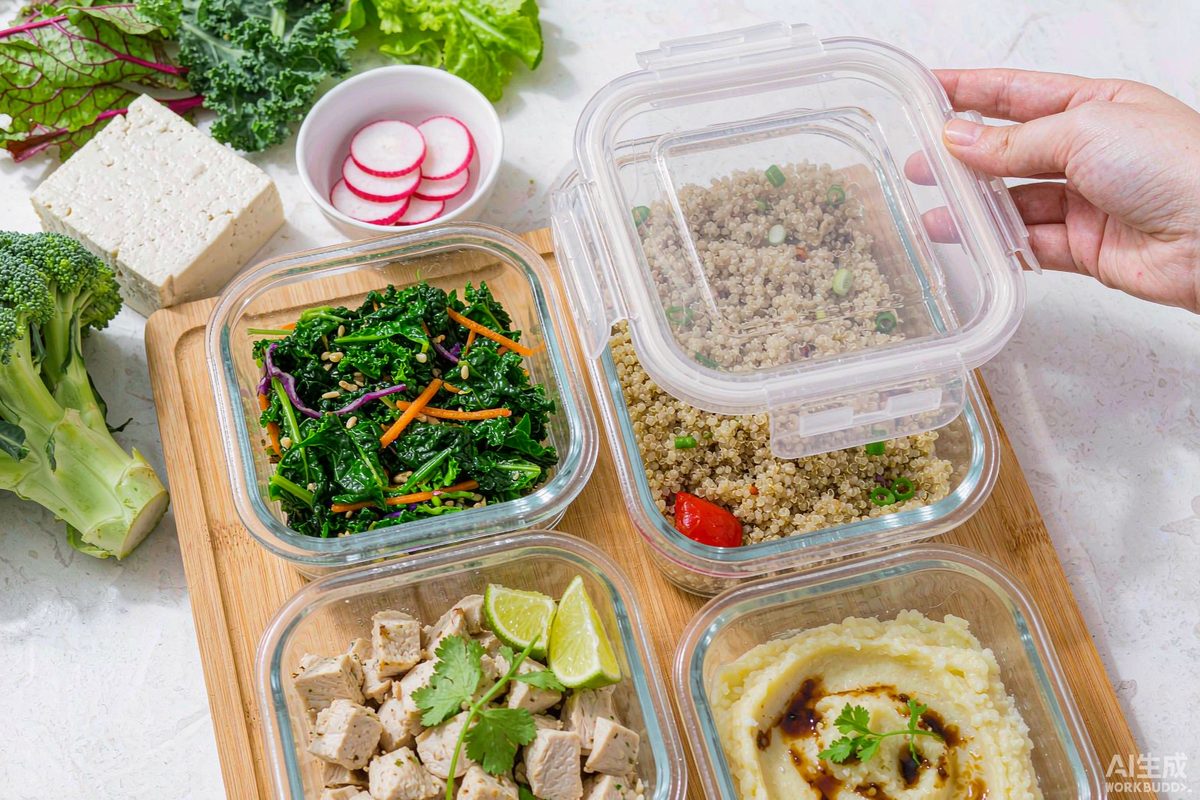
Here's the assessment I run with every patient on the first visit. For each group of five questions, score yourself 0 for rarely or never, 1 for sometimes, 2 for often or always. Then add up each column.
Group A, Phlegm-Dampness: my body feels heavy, like I'm carrying wet sandbags, especially in the afternoon. I wake with a puffy face or swollen eyelids. My tongue has a thick, greasy, pasty white coating. My stools are sticky and soft, and they smear when I wipe. My weight lands mainly in my belly and thighs, and I tend to snore or feel congested.
Group B, Spleen Qi deficiency: my weight is soft and doughy rather than firm. I bloat after meals, even small ones. I feel tired or foggy 30 to 60 minutes after eating. My stools are loose, my appetite is weak, and my tongue is pale with scalloped edges. I crave sweets and starchy foods when I'm tired.
Group C, Liver Qi stagnation: I gain weight during stressful periods and lose motivation to move when pressure builds. I'm irritable and easily frustrated, and I sigh a lot. I feel tightness or distension in my chest, ribs, or throat, especially under stress. My eating is emotional, stress drives me to food, especially at night. My weight concentrates in the belly and comes on fast during busy seasons.
Group D, Yang deficiency: I'm almost always cold, especially in my hands and feet. I'm exhausted even after a full night's sleep, and my energy is lowest in the morning. My weight is stubborn, it won't budge even when I eat very little. I have puffiness or edema in my ankles, a pale face, and I urinate frequently at night.
My metabolism feels slow, and I gained weight easily after 40, after childbirth, or after years of dieting.
Scoring: your highest column is your primary pattern. Ten or more in any column means that pattern is dominant. Two columns close together means you're mixed, Section 7 covers how to prioritize. If your top score is under 8, the pattern is mild and should respond quickly to diet and lifestyle alone. Be honest rather than hopeful. The test only works if you answer what's true, not what you wish were true.
- Fill out the assessment twice, a week apart. Symptoms fluctuate with stress, season, and sleep, and a second pass will show you which signs are stable.
- If you are a woman, note where you are in your cycle when you score. Liver Qi stagnation and Dampness both fluctuate with hormonal shifts.
- Bring your scores to a licensed TCM practitioner. Your self-assessment plus their tongue and pulse diagnosis is far more accurate than either alone.
"To treat disease, one must first discern the pattern. When the pattern is clear, the treatment writes itself; when the pattern is confused, every needle and herb goes astray."
Pattern One: Phlegm-Dampness, Heavy, Sluggish, Greasy
This is the classic obesity pattern of Chinese medicine, the one the Inner Canon describes when it warns about sweet and fatty foods. Phlegm-Dampness (tan shi) starts when the Spleen fails at its job of transforming and transporting fluids. Instead of becoming energy, the fluids congeal into Dampness, a heavy, sticky, turbid substance TCM describes as like fog, or like mud.
Over time Dampness thickens into Phlegm, and Phlegm-Dampness deposits as fat tissue.
If this is you, you know the feeling. Heavy body, foggy head, puffy face in the morning, thick greasy tongue, sticky stools, weight that lives in the belly and thighs. You feel sluggish no matter how much you sleep. You snore. You gain easily and lose slowly, even on a good diet.
Treatment means drying the Dampness, transforming the Phlegm, and lightening the body. Herbs: the foundational formula is Er Chen Tang, built on Ban Xia (pinellia) and Chen Pi (tangerine peel) to dry Dampness and transform Phlegm, with Fu Ling (poria) to leach it out through urine and Gan Cao to harmonize.
Practitioners commonly add Yi Yi Ren (coix seed) to strengthen the Spleen and drain Dampness gently, plus He Ye (lotus leaf) to clear Heat and guide Dampness downward; lotus leaf tea is a traditional daily aid.
Acupoints: ST-40 (Fenglong), the famous phlegm point on the outer lower leg, transforms Phlegm through the whole body, and SP-9 (Yinlingquan), just below the inner knee, is the master point for draining Dampness. Press both firmly for two to three minutes a day. Diet: light, dry, and warming.
Cut dairy, cold drinks, sugar, fried food, and excess fruit, especially cold sweet tropical fruit; they're Dampness factories. Favor barley, adzuki beans, winter melon, radish, cooked greens, and ginger in everything.
Exercise: brisk movement that makes you sweat. Sweat is Dampness leaving the body. A daily 30 to 45 minute brisk walk, fast enough to break a sweat, beats sporadic heavy gym sessions for this pattern. The goal is consistent, sweat-producing movement, every single day.
- Lotus leaf tea after heavy meals is the simplest daily intervention for Phlegm-Dampness: it dries Dampness, supports digestion, and has been used for weight in China for centuries.
- Warm drinks only. Every cold drink you swallow asks the Spleen to burn energy to warm it, and a cold, tired Spleen produces more Dampness, not less.
- Watch for the tongue: as Dampness clears, the thick greasy coating thins and the body feels lighter within two to four weeks. That is your progress marker, not the scale.
"Phlegm is the cause of a hundred diseases. Wherever Phlegm-Dampness lodges, the Qi does not flow, and the body grows heavy and sick."
Pattern Two: Spleen Qi Deficiency, Soft, Bloated, Tired
The Spleen governs transformation and transportation: it turns food into Qi and Blood, then delivers both to every cell. When Spleen Qi is deficient, that conversion fails. Food isn't fully turned into energy, so it's stored instead, as soft, doughy weight that isn't quite fat in the usual sense, more like untransformed food and fluid piling up in the middle of the body.
If this is your pattern, your weight is soft and bloated, you tire after meals, your stools are loose, your tongue is pale with scalloped edges, and your appetite is weak. You may have lost and regained the same weight many times, because every crash diet weakened the Spleen further.
Treatment means rebuilding the Spleen's transforming power with the gentlest, most digestible food and the classic Qi tonics. Herbs: the formula of choice is Shen Ling Bai Zhu San, a gentle, food-like formula that tonifies Spleen Qi and dries Dampness at the same time; Huang Qi (astragalus) gets added when fatigue is pronounced and energy is sinking.
These herbs are mild enough for long-term use and among the safest in the materia medica. Acupoints: ST-36 (Zusanli), the great master point for strengthening the Stomach and Spleen, sits four finger-widths below the kneecap just lateral to the shinbone. SP-6 (Sanyinjiao), three finger-widths above the inner ankle bone, tonifies the Spleen and supports transformation.
Warm both with palm pressure for two to three minutes daily; moxibustion on ST-36 works even better.
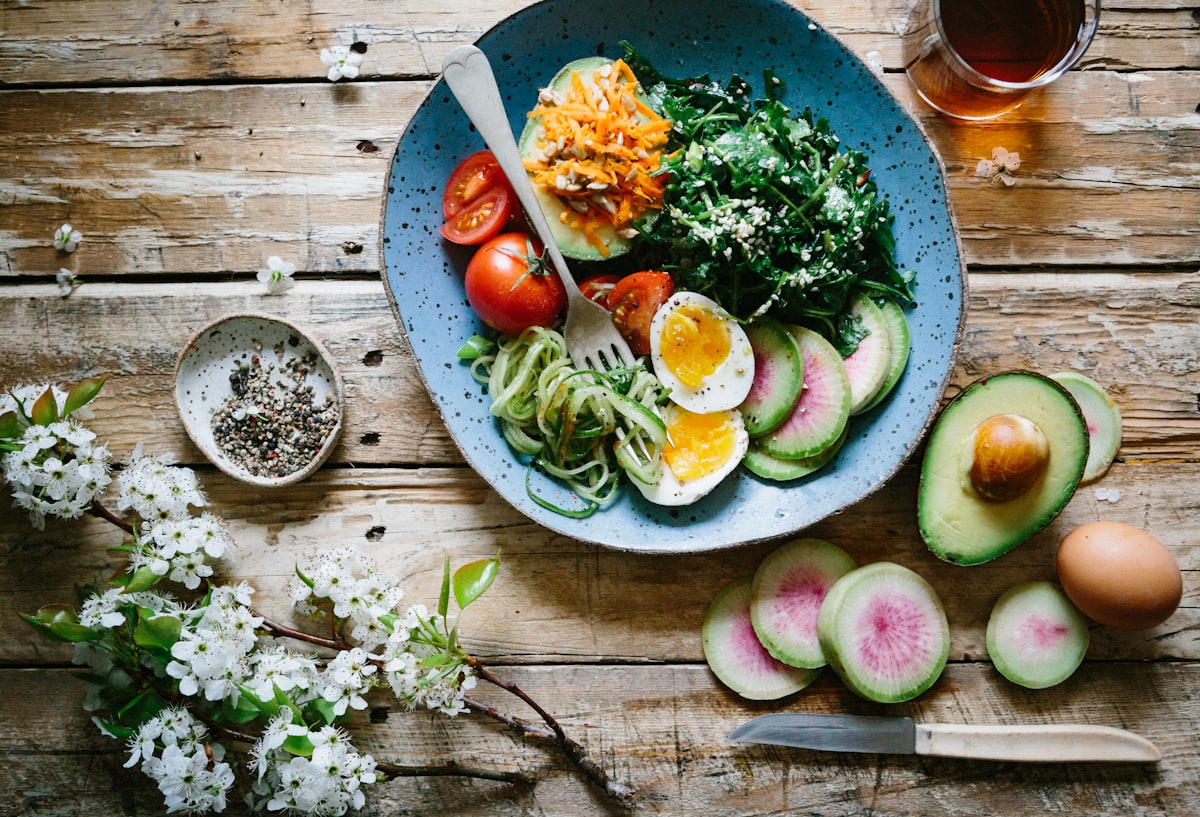
Diet: warm, cooked, simple. Congee is the single best food for this pattern, ideally every morning, with sweet potato, pumpkin, Chinese yam, or a few red dates. Small regular meals, never huge ones, never skipped. Root vegetables, bone broth, chicken soup, well-cooked oats.
The chewing protocol matters as much as the food: chew each bite 20 to 30 times until it's liquid, sit down, breathe, eat without screens or stress, and stop at 70 to 80 percent full. The Spleen can only transform what's thoroughly broken down and calmly received.
Exercise: moderate and regular. Walking, tai chi, qigong, gentle yoga. Intense exhausting workouts further deplete a deficient Spleen; this is one of the few patterns where more sweat is not the answer. Build the engine first, then ask it to work.
- Congee every morning for 30 days is the fastest single intervention for Spleen deficiency weight. Add a pinch of ginger and three red dates, and you have a complete Spleen tonic breakfast.
- Eat until you are 70 to 80 percent full, never stuffed. The weak Spleen fails under overload, and every overfull meal adds storage instead of energy.
- Moxibustion on ST-36 (or a moxa stick held near the point for 10 minutes) is the traditional way to rebuild Spleen Qi. If you have never tried it, this pattern is the best reason to start.
"The Spleen governs transformation and transportation. When the Spleen is strong, food becomes Qi; when the Spleen is weak, food becomes Dampness and accumulation."
Pattern Three: Liver Qi Stagnation, the Stress Belly
This is the pattern of the stressed professional, the new parent, the caregiver, the person who holds it together all day and unwinds with food at night. The Liver governs the smooth free flow of Qi through the body.
When stress, frustration, or suppressed emotion constrains the Liver, Qi stagnates, and everything downstream stagnates with it: digestion slows, fluids pool, and the Spleen, which the Liver controls in the Five Element cycle, weakens under the assault. The result is weight that concentrates in the belly and arrives in waves, tracking your stress level rather than your calories.
If this is you, you're irritable and easily frustrated, you sigh a lot, you feel tightness in the chest and ribs, your eating is emotional, especially at night, and your weight surges during deadlines, family crises, and busy seasons. Diets fail for you not because of willpower, but because the stress driving the pattern is still running the show.
Herbs: Xiao Yao San, the classic formula for Liver Qi stagnation with Spleen deficiency, is the standard treatment; it soothes the Liver, moves the Qi, and protects the Spleen. Mei Gui Hua (rose flower) tea is the gentlest daily support, safe to drink freely. Acupoints: LV-3 (Taichong), on top of the foot between the first and second toes, is the great point for moving Liver Qi and releasing frustration.
GB-34 (Yanglingquan), below the outside of the knee, smooths the sinews and relaxes the whole body. Press both firmly while breathing slowly for two to three minutes; you'll often feel a sigh release.
Emotional release is the real medicine. The Qi has to move, and it moves through expression: journaling, talking honestly with someone you trust, therapy, crying when you need to. These aren't optional extras for this pattern. They're the treatment.
Movement that expresses and releases works best: brisk walking, dancing, boxing, martial arts, anything rhythmic that lets frustration move through the body, plus stretching that opens the chest and ribs. Eat sitting down, slowly, without screens, and don't eat while angry or anxious; the Spleen can't digest under the Liver's grip.
And keep a regular sleep schedule, because a tired, wired nervous system amplifies stagnation.
- Rose flower tea (Mei Gui Hua) is the stress-belly tea: two or three dried buds steeped in hot water, drunk in the evening, soothes the Liver and eases the nighttime eating urge.
- The 4-7-8 breath before meals: inhale 4 counts, hold 7, exhale 8. Three rounds shift the nervous system from fight-or-flight into rest-and-digest before you take the first bite.
- Schedule 20 minutes of 'unstructured movement' daily: a walk with no destination, a dance in the kitchen, a stretch session. Movement without a goal is how Liver Qi moves.
"The Liver is the general of the army: it governs the free flow of Qi. When the general is calm, the hundred organs obey; when the general is constrained, the whole body suffers."
Pattern Four: Yang Deficiency, Cold, Stubborn, Stalled
Yang Qi is the body's metabolic fire. It warms you, moves you, and powers every transformation, including turning food into energy instead of fat. When Yang declines, the fire dims. Metabolism slows, fluids no longer get warmed and moved, so they pool as edema and congeal as fat, and weight becomes stubborn in a way no diet can touch.
This pattern is most common after 40, after childbirth, after long illness, and after years of crash dieting. That's exactly why so many of my older patients have it: they spent their thirties starving their Yang away.
If this is you, you're almost always cold, especially in your hands and feet. You're exhausted even after eight hours of sleep. Your weight refuses to move no matter how little you eat. You have ankle puffiness, a pale face, frequent night urination, low libido, and a metabolism that feels like it shut down years ago.
Treatment means warming and rebuilding the fire, gently and persistently. Herbs, and here I have to warn you: Fu Zi (aconite), the most powerful Yang-returning herb, is toxic unless properly processed and is not safe for self-treatment. Use it only under a licensed practitioner.
For home use, Rou Gui (cinnamon bark) warms the Ming Men, Huang Qi (astragalus) tonifies Qi and raises Yang, and warming food herbs like ginger, black pepper, and cloves are safe daily support. A practitioner may prescribe a warming formula like Jin Gui Shen Qi Wan for the right patient.
Acupoints: CV-4 (Guanyuan), on the midline three finger-widths below the navel, is the great point for warming the lower burner and nurturing Yuan Qi. KD-3 (Taixi), in the depression between the inner ankle bone and the Achilles tendon, tonifies the Kidneys, the root of Yang.
Moxibustion on CV-4 and KD-3 is the traditional and dramatically effective treatment for this pattern; even a simple moxa stick held over CV-4 for ten minutes a day gets felt within weeks.
Diet: warming foods only. Ginger, cinnamon, lamb, leeks, garlic, cooked root vegetables, warming soups and stews. Avoid cold and raw food, iced drinks, winter salads, raw fruit on an empty stomach. Every meal should warm you. Exercise: gentle, consistent, done in daylight. Morning walks in the sun, tai chi, qigong, easy yoga.
The Yang-deficient person must not be pushed into exhausting workouts; intense exercise depletes the very fire we're trying to rebuild. Movement raises Yang best in the morning, when the day's Yang is rising.
- Start every morning with warm ginger water (a few slices of fresh ginger steeped in hot water). It is the simplest Yang-warming ritual there is.
- Moxibustion on CV-4 is this pattern's secret weapon. Ten minutes daily, at home, with a moxa stick, and most patients feel warmer within two weeks.
- Sunlight is medicine for Yang deficiency: 15 to 20 minutes of morning sunlight on your skin, ideally with a walk, directly supports the day's Yang cycle.
"Yang Qi is like the sun in the sky. When the sun loses its place, the life span is shortened and vitality is hidden."
Most People Have Two Patterns. Here's How to Prioritize
In fifteen years of practice I can count on one hand the patients who came in with a pure single pattern. Almost everyone has two, and plenty have three. The most common combinations tell a story.
Phlegm-Dampness with Spleen deficiency is the most frequent pairing in my clinic: the Dampness is the symptom, the weak Spleen is the cause, and clearing Dampness alone only works temporarily unless the Spleen gets rebuilt underneath. Liver Qi stagnation with Spleen deficiency is the stress eater's pattern: the Liver attacks the Spleen, digestion weakens under pressure, and the belly accumulates.
Yang deficiency with Spleen deficiency is the cold-and-tired pattern of the over-restricted dieter. Phlegm-Dampness with Yang deficiency shows up in older patients: the fire dims, fluids congeal into Dampness, and the weight is both heavy and cold.
How do you prioritize? Three rules. First, treat the root: if you're cold, exhausted, and depleted, build the fire and the engine first, even if Dampness or stagnation is noisy on top. Second, treat what's acute: if stress is actively running your life, move the Liver Qi first, because nothing else will work while the pressure is on.
Third, if you're puffy, greasy-tongued, and heavy, clear enough Dampness to unclog the system, then immediately rebuild the Spleen, because Dampness always returns if the Spleen stays weak.
Practically, most patients run a blended protocol: the primary pattern's plan as the backbone, with two or three elements from the secondary pattern layered in. A Phlegm-Dampness plus Spleen deficiency patient eats the light drying diet, walks to sweat, and drinks Chen Pi tea, but also eats congee for breakfast and presses ST-36 daily. The 90-day protocol below is written so you can mix and match.
- Write your two patterns on a card and tape it to your fridge: 'Dampness: no dairy, no cold drinks, walk to sweat. Spleen: congee breakfast, chew 20 times, stop at 80% full.' Clarity beats memory.
- If you are unsure which pattern is the root, ask a simple question: what happened first? The tiredness or the puffiness? The stress or the bloating? The coldness or the weight? The cause is the root.
- Treat one thing at a time. Layering five new habits on a mixed pattern collapses within a week. Choose the single most important change for your primary pattern and master it first.
"In the clinic, the pure pattern is the exception and the mixed pattern is the rule. The art is to find the root among the branches."
The 90-Day Plan: Month by Month for Your Pattern
Here's the protocol I give patients, adapted for each pattern. Month one: assessment and subtraction. Run the self-assessment from Section 2 and record your scores, take morning tongue photos, and weigh in once a week at the same time of day.
Start your pattern's daily non-negotiables: for Phlegm-Dampness, warm drinks only, no dairy, and a daily 30 minute sweat-producing walk; for Spleen deficiency, congee breakfast and the chewing protocol; for Liver stagnation, 20 minutes of unstructured movement and the 4-7-8 breath before meals; for Yang deficiency, warm ginger water each morning, warming foods, and morning sunlight walks.
Add your primary acupressure pair for five minutes daily. This month is about subtraction, not results: you're removing the fuel for the pattern. Expect your body to feel different before the scale moves; energy, bloating, and tongue changes come first.
Month two: addition and rebuilding. Layer in your pattern's foods and herbs: Chen Pi tea or lotus leaf tea after meals for Dampness, congee with Chinese yam and red dates for Spleen, rose tea and evening journaling for Liver, ginger-cinnamon broths and moxibustion on CV-4 for Yang. Add a second acupressure session in the evening. If you use herbs, source them from a licensed practitioner or a reputable supplier.
This is the month most patients see the first real changes on the scale, typically 4 to 8 pounds for the Dampness and Spleen patterns, slower for Yang deficiency, which is normal and not failure.
Month three: deepening and re-assessment. Increase movement quality: one weekly sweat session for Dampness, one weekly moxibustion session for Yang, one longer walk for Spleen, one expressive workout for Liver. Re-run the self-assessment; most patients score 30 to 50 percent lower. Re-photograph your tongue.
Measure what changed beyond the scale: clothes that fit, energy after meals, sleep quality, stool consistency, mood stability. Those are the real outcomes; the scale is just the last one to move. After that, maintenance is simple: keep your pattern's non-negotiables as permanent habits, keep the acupressure as a five-minute daily ritual, and allow flexibility everywhere else.
Patients who maintain the pattern protocol keep the weight off because they're no longer fighting their body. They're working with it.
- Weigh once a week, not once a day. Daily weigh-ins feed the number-obsession that pattern medicine is designed to end.
- Expect the body to change in order: energy first, then bloating and puffiness, then inches, then the scale. If you only watch the scale, you will miss your own progress.
- After 90 days, pick ONE pattern habit to keep forever: the congee breakfast, the daily sweat walk, the rose tea, or the morning ginger water. One kept habit is worth ten started ones.
"When the root is treated, the branches fall away on their own. Treat the pattern, and the number on the scale will follow the body, not the other way around."