The pharmacy hiding in your cabinets
Walk into a TCM pharmacy and you'll see walls of dried roots and bark with names you've never heard. But the most-used medicines in the Chinese pharmacopoeia aren't exotic at all. Open a standard kitchen cabinet and you'll find a working pharmacy: ginger for colds, cinnamon for circulation, star anise for a cold stomach, turmeric for joint pain, goji for the eyes, black pepper for digestion.
For over two thousand years — long before pills — Chinese families treated everyday ailments with the ingredients already in their food. The tradition is called the kitchen pharmacy, and it rests on one simple principle: at culinary doses, medicinal foods are safe, sustainable, and effective when matched to the right pattern.
Western medicine has been catching up. A 2016 meta-analysis in Pain Medicine found ginger reduces postoperative nausea about as well as conventional antiemetics. Meta-analyses show cinnamon lowers fasting blood glucose in type 2 diabetes. Curcumin is among the most-studied natural anti-inflammatories in the world. The difference between these and pharmaceuticals isn't potency — it's delivery.
Kitchen herbs work slowly, steadily, woven into your daily meals. They don't hit like a drug; they accumulate like a habit.
This article profiles 12 ingredients you almost certainly already own, organized by the pattern they treat. For each: the Chinese name, the energetics, what it treats, how to cook with it, the modern research behind the claim, and the cautions that actually matter.
- Kitchen herbs work at culinary doses over weeks and months — they're for building health, not for acute emergencies. If symptoms are severe or persistent, see a professional.
- Match the herb to the pattern, not to the symptom alone: ginger for Cold, mint for Heat, tangerine peel for stagnation. Getting the pattern wrong is the most common mistake.
- Keep your spice rack fresh — ground spices lose potency in 6-12 months. Whole spices (cinnamon bark, star anise, cardamom pods) keep for years.
"Superior medicines nourish life; they are taken as food and drink over the long term. They are not meant to be potent, but to sustain."
Warming herbs for the cold-running body
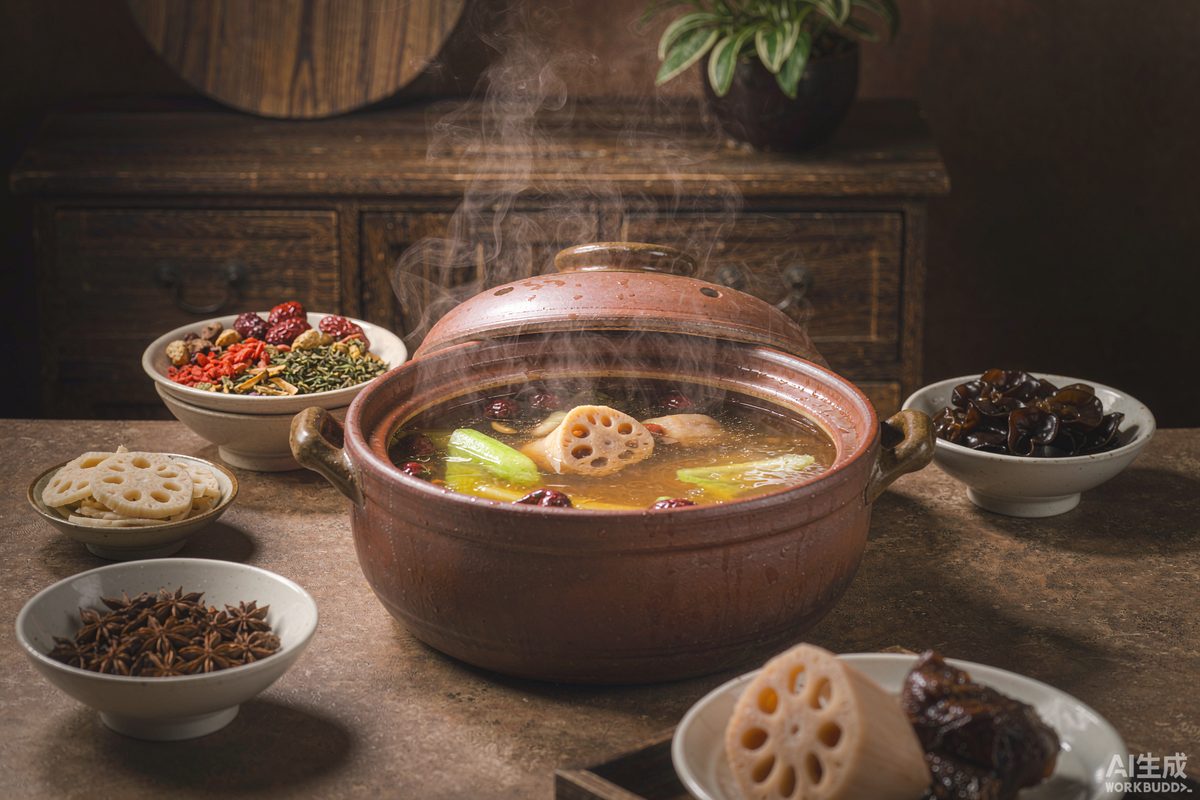
Cold hands and feet. Aversion to drafts. Loose stools. Pale tongue. Low energy that lifts when you warm up. If that sounds like you, your body is running a Cold pattern, and the classic response lives in your spice drawer.
Fresh ginger (Sheng Jiang) is warm and pungent, entering the Lung and Stomach channels. It disperses exterior Cold — the early stage of a chill — and settles nausea. TCM's most famous cold remedy is ginger tea with brown sugar at the very first shiver.
The research is unusually strong: that 2016 systematic review found ginger effective for nausea across postoperative, pregnancy-related, and chemotherapy contexts, with gingerols and shogaols acting on serotonin receptors in the gut. Grate it into congee, soups, stir-fries; steep 3-5 slices in hot water for tea.
Dried ginger (Gan Jiang) is the same root, transformed. Drying concentrates the heat and redirects it inward: where fresh ginger disperses Cold from the surface, dried ginger warms the interior — the digestive fire of the Spleen and Stomach. It's the classic remedy for cold hands and feet from poor internal circulation, a cold painful abdomen, and watery diarrhea with cold extremities.
A pinch in oatmeal, stews, or warm milk.
Cinnamon (Rou Gui) is warm and sweet-pungent, entering the Kidney, Spleen, and Heart channels. In TCM it's the supreme ming men fire herb — it warms Kidney Yang, the body's metabolic furnace, and pushes warmth out to the extremities. For people whose hands stay cold under gloves, cinnamon is often the answer.
The 2019 meta-analysis of 16 randomized trials found it significantly reduced fasting blood glucose and improved lipid profiles in type 2 diabetes. Use true cinnamon bark — Ceylon for daily use — in oatmeal, coffee, stews, baking.
Black pepper (Hu Jiao) is hot and pungent, entering the Stomach and Large Intestine channels, and its role is underrated. It warms the Stomach and disperses Cold — and it's the guide herb that drives other medicines deeper. ' Modern science has its own name for this: piperine increases curcumin absorption by up to 2,000%. Freshly grind it over everything, and pair it with turmeric for joint health.
Star anise (Ba Jiao Hui Xiang) is warm and pungent, entering the Spleen, Stomach, and Kidney channels. It warms the middle burner and moves Qi — the home remedy for abdominal cold, bloating, and the cramping that follows cold food. It also carries a piece of modern fame: it's the natural source of shikimic acid, the starting material for the antiviral drug oseltamivir (Tamiflu).
A kitchen spice quietly underwriting modern pharmacology. Use whole pods in braises, broths, and poaching liquids.
- For early colds: grate 2 teaspoons fresh ginger, steep in hot water 5 minutes, add honey and a squeeze of lemon. Drink 2-3 times daily at the first sniffle.
- Cold hands and feet: add a cinnamon stick to your morning oatmeal or coffee, plus a pinch of dried ginger. It takes 2-3 weeks of daily use to feel the difference.
- After eating cold food (salads, ice cream), chew a few fennel seeds or sip ginger tea to warm the Stomach and prevent cramping.
"Ginger, when fresh, disperses the exterior and stops vomiting. When dried, it warms the middle and rescues the Yang. One root, two medicines."
The aromatics that wake up a sluggish stomach
The Spleen-Stomach system — TCM's digestive engine — has one specific weakness: it hates sluggishness. When digestion stalls, food stagnates, and stagnation breeds Dampness. Bloating, heaviness, a thick tongue coating, that foggy head after meals. The classical remedy is a class of herbs TCM calls 'aromatics that transform Dampness' — ingredients whose volatile oils rouse the digestive fire.
Your kitchen has three of the best.
Cardamom (Bai Dou Kou) is warm and pungent, entering the Lung, Spleen, and Stomach channels. It transforms Dampness and moves Qi, making it the go-to for bloating, heaviness after rich meals, and nausea with a damp-coated tongue. Its volatile oils — cineole, terpinyl acetate — are carminative; they relax the smooth muscle of the digestive tract and expel gas. Modern pharmacology confirms what the tradition claimed.
Lightly crush a green pod into rice cooking water, congee, curries, chai. One pod in a pot of rice changes its digestibility.
Fennel seed (Xiao Hui Xiang) is warm and pungent, entering the Liver, Spleen, and Kidney channels. It warms the lower abdomen, moves Qi downward, disperses Cold — the classic for bloating, intestinal cramping, and that cold sinking feeling in the lower belly. Chewing fennel after meals is an ancient ritual across cultures, and for good reason: anethole and fenchone are proven carminatives and antispasmodics.
Toast a teaspoon in a dry pan and chew after heavy meals, or brew as tea with fresh ginger.
Dried tangerine peel (Chen Pi) is the most underrated item in the TCM pantry. Its name literally means 'aged skin,' and the older the peel, the stronger the effect. It's warm and pungent-bitter, entering the Spleen and Lung channels, and it dries Dampness, moves Qi, and harmonizes the Stomach — the standard addition wherever food stagnation meets phlegm.
Modern analysis finds the aged peel rich in flavonoids (hesperidin, nobiletin) with anti-inflammatory and prokinetic activity. The best way to build your own supply: dry organic tangerine peels in a warm, airy place for at least a year. Add a strip to congee, braises, marinades; steep in tea after meals.
One rule governs all three: less is more. A little volatile oil goes a long way. Their job is to wake up digestion, not to flavor-mask it.
- If you bloat after every meal, your Spleen is likely damp. Cook with one aromatic (cardamom pod, fennel seed, or chen pi) at every meal for two weeks.
- Make your own chen pi: dry tangerine peels in the sun or a dehydrator, store in a jar, label with the year. Two-year-old peel is noticeably stronger than six-month-old peel.
- Toasted fennel seeds in a small jar on your desk are the world's best post-meal breath freshener — and they settle the stomach at the same time.
"Aromatic herbs enter the Spleen, for fragrance awakens the middle burner. When the middle is awakened, Dampness transforms and Qi moves."
The bitter and cooling group, for heat and inflammation
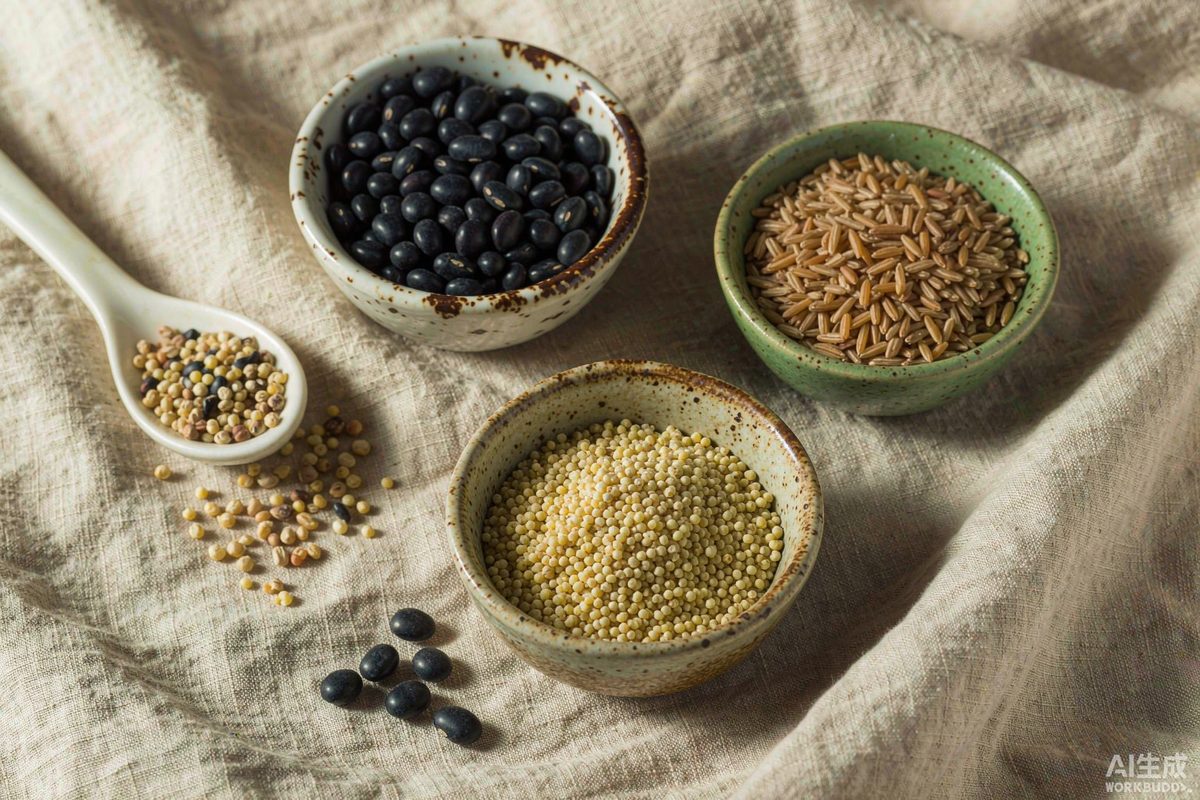
Not every body needs warming. Heat patterns — red face, irritability, thirst, inflammatory conditions, restless energy — call for the opposite: bitter and cooling herbs that clear Heat and drain inflammation. Your kitchen holds three of the finest.
Turmeric (Jiang Huang) is the exception that proves the rule: warm in nature, yet anti-inflammatory in action. TCM classifies it as a blood mover — it invigorates circulation, dispels blood stasis, relieves pain, particularly joint pain and menstrual cramps.
The modern evidence is among the strongest in herbal medicine: a 2017 review of clinical trials found curcumin consistently reduced markers of inflammation — CRP, TNF-alpha, IL-6 — in chronic inflammatory conditions including arthritis, metabolic syndrome, and inflammatory bowel disease.
One cooking insight matters: curcumin is fat-soluble and poorly absorbed, so always pair turmeric with black pepper and cook it in oil. Golden milk — turmeric, pepper, cinnamon, ginger in warm milk — is the traditional delivery vehicle.
Mint (Bo He) is cool and pungent, entering the Lung and Liver channels. It clears Heat at the exterior, soothes Liver Qi (the classic for stress headaches and irritability), and cools an overheated digestive tract. Research confirms menthol's antispasmodic effect on the gut — peppermint oil is a clinically validated treatment for IBS. Fresh mint tea after a spicy or rich meal is the perfect cooling counterweight.
Use fresh leaves liberally; dried mint works for tea but is far weaker.
Chrysanthemum (Ju Hua) is cool and sweet-bitter, entering the Lung and Liver channels. It clears Liver Heat and brightens the eyes — the classic remedy for red, dry, tired eyes, temple headaches, and the irritability of heat rising to the head. Chrysanthemum tea with goji berries is the standard prescription for people who stare at screens all day.
Modern research identifies luteolin and apigenin as the active flavonoids, with confirmed anti-inflammatory, neuroprotective, and vision-supporting effects. Steep dried flowers — available at any Asian market — with goji and a touch of honey.
The pattern rule for this trio: use them when you feel hot, inflamed, or irritable — not when you're cold and tired. A cold-constitution person drinking chrysanthemum tea daily will feel worse, not better.
- Golden milk recipe: 1 cup warm milk, 1/2 tsp turmeric, 1/4 tsp black pepper, pinch of cinnamon and ginger. Sip for joint pain or evening inflammation.
- Screen fatigue: steep 8-10 chrysanthemum flowers with 10 goji berries in hot water for 5 minutes. Drink while working — this is the traditional 'computer eyes' formula.
- Turmeric stains — use it in curries, soups, and golden milk, and keep a dedicated grater or spoon. It's worth it.
"Chrysanthemum clears the Liver and brightens the eyes. It disperses wind and clears Heat. Those who drink it long-term are clear-headed and sharp-sighted."
The sweet tonics: goji, red dates, honey, Chinese yam
The final group in the kitchen pharmacy is the most beloved — the sweet tonics. These are the 'superior class' foods: gentle enough for daily use, potent enough to rebuild Blood and Qi over time.
Goji berries (Gou Qi Zi) are neutral and sweet, entering the Liver and Kidney channels. ' Modern analysis finds goji among the most nutrient-dense foods on earth: zeaxanthin at the highest concentration of any known food, lutein, 18 amino acids, immune-modulating polysaccharides. A tablespoon a day — in oatmeal, congee, soups, or tea — is the single easiest medicinal habit in this article.
Red dates (Da Zao / Hong Zao) are warm and sweet, entering the Spleen and Stomach channels. They tonify Spleen Qi, nourish the Blood, and harmonize other ingredients — which is why they appear in almost every TCM formula and soup. For women with fatigue, pale complexion, and scanty menstruation, red dates in daily congee are the foundational Blood tonic.
Modern research documents their polysaccharides, cyclic AMP, and iron. Use 3-5 dates, pitted and chopped, in congee, soups, and teas.
Honey (Feng Mi) is neutral and sweet, entering the Spleen, Lung, and Large Intestine channels. It tonifies the Spleen, moistens the Lungs, lubricates the intestines. Raw honey retains the enzymes, polyphenols, and antimicrobial compounds that clinical research has validated — including the finding that honey outperforms some OTC cough suppressants for children's night coughs.
Use raw honey to sweeten teas, drizzle over congee, or take a spoonful for a dry cough.
Chinese yam (Shan Yao) is the quiet powerhouse of the group. It's neutral and sweet, entering the Spleen, Lung, and Kidney channels — a rare triple tonic that strengthens digestion, supports the lungs, and anchors the kidneys. In TCM pediatrics it's the go-to for weak digestion; in geriatrics, for declining energy.
Modern research confirms its diosgenin and mucilage content, with prebiotic effects that nourish beneficial gut bacteria — connecting the TCM 'Spleen' concept to the modern microbiome. Use dried yam slices in soup (they melt into a silky broth) or yam powder stirred into congee or warm milk.
The tonic group shares one rule: consistency beats quantity. These foods build Blood and Qi the way compound interest builds wealth — slowly, invisibly, and powerfully — but only if you take them daily.
- The daily tonic habit: one tablespoon goji berries + 3 chopped red dates in your morning oatmeal or congee. Sixty seconds of effort, measurable energy difference in 3-4 weeks.
- For dry coughs: a spoonful of raw honey mixed with grated fresh ginger and warm water. For dry constipation: honey in warm water first thing in the morning.
- Chinese yam powder is the perfect travel tonic — stir into hot water, milk, or congee anywhere for a Spleen-nourishing meal in seconds.
"Goji berry is sweet and balanced. It nourishes the Liver and Kidneys, brightens the eyes, and long-term consumption strengthens the sinews and bones and prevents aging."
The daily rotation: one herb from each group, every day
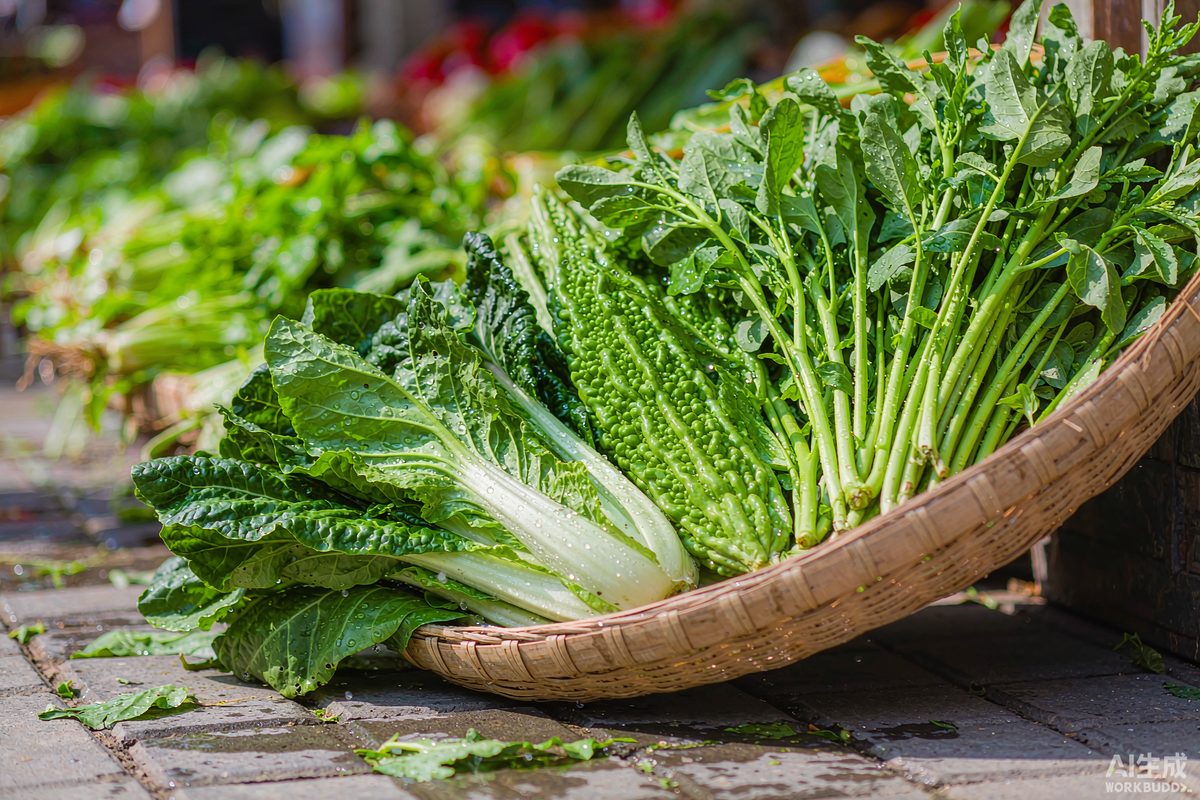
Knowing 12 herbs is useless without a system for using them. Here's the framework I give patients — call it the Daily Five-Group Rotation. The idea is simple: across each day, your cooking should include one herb from each of the five functional groups: a warmer, an aromatic, a bitter or cooling agent, a sweet tonic, and a guide (black pepper, which makes everything work better).
You're not taking supplements; you're cooking with rotation.
A sample day: congee or oatmeal cooked with a cinnamon stick and a pinch of dried ginger (warming), topped with goji and chopped red dates (sweet tonics), finished with raw honey. That's two groups before 8 AM. Lunch: a grain bowl with roasted vegetables, a protein, and a dressing with turmeric and black pepper (anti-inflammatory plus guide), a handful of fresh mint on the salad (cooling).
Dinner: a braise with star anise, a strip of chen pi, and fennel seeds (aromatic plus warming), with chrysanthemum-goji tea after (cooling counterbalance). Over a week you'll naturally rotate through all 12.
That rotation is the point. TCM doesn't prescribe the same herb every day forever. It prescribes in cycles, matching the season, the body's current state, and the pattern of the moment. Summer: lean cool — mint, chrysanthemum, cucumber, light broths. Winter: lean warm — ginger, cinnamon, star anise, slow braises. Feel a chill coming? Spike the ginger. Feeling inflamed? Spike the turmeric and mint. Depleted?
Spike the goji and dates.
Rotation also prevents over-concentration. Even good herbs taken in excess create imbalance — too much warming dries fluids, too much cooling weakens the Spleen. Rotation keeps you on the middle path, which is where TCM wants you. One practical note: cook with whole spices when you can.
Ground spices oxidize and lose volatile oils quickly; whole cinnamon bark, star anise pods, cardamom pods, and fennel seeds hold their medicine for years. Toast whole spices in a dry pan for 30 seconds before grinding — it wakes the oils and makes the flavor, and the medicine, dramatically more present.
- Post the five groups on your fridge: Warm (ginger, cinnamon, pepper, star anise) / Aromatic (cardamom, fennel, chen pi) / Cool (turmeric, mint, chrysanthemum) / Tonic (goji, dates, honey, yam) / Guide (black pepper). Aim for one from each group per day.
- Seasonal rule of thumb: cool in summer, warm in winter, aromatic year-round. Your body's cravings will tell you when the season is off.
- Buy whole spices and toast before grinding — you'll taste the difference immediately, and the medicinal volatile oils will survive to your plate.
"In treating disease, the physician must first determine the cold or heat of the condition, then match the warming or cooling nature of the remedy. One who cooks without this knowledge seasons blindly."
Three questions to find your pattern
Here's the self-check I run with every new patient, simplified so you can run it on yourself. It takes two minutes and tells you which half of the kitchen pharmacy to favor.
Question one — your temperature baseline: are your hands and feet usually cold (Cold pattern, favor the warming group: ginger, cinnamon, dried ginger, star anise)? Or do you run warm, sweat easily, prefer cool drinks (Heat pattern, favor mint, chrysanthemum, turmeric)?
Question two — your digestion: after meals, do you feel energized or heavy and bloated? If you bloat, feel foggy after eating, or have loose stools, your Spleen is damp or deficient. Favor the aromatics (cardamom, fennel, chen pi) and the sweet tonics (yam, dates, congee), and cut back on cold raw food for a while.
Question three — your energy and mood: depleted, pale, flat (Qi and Blood deficiency — favor the tonic group daily, plus warming ginger in moderation)? Or irritable, hot, wired (Liver Heat — favor mint, chrysanthemum, cooling foods)?
Most people land in a mix. Cold hands but post-meal bloating? That's a Cold-with-Damp pattern, and the answer is warming aromatics: ginger plus cardamom plus chen pi, with star anise in braises. That's the real power of the kitchen pharmacy — it's modular. You don't need a formula from a pharmacy; you need to know your pattern and rotate the matching herbs through your cooking.
A few cautions, stated plainly. Pregnant women should stick to culinary doses — fine — but avoid medicinal quantities of star anise, and clear medicinal doses of cinnamon and turmeric with their provider. Anyone on blood thinners should be cautious with concentrated turmeric, ginger, and garlic; culinary doses are fine, but high-dose supplements interact.
People with gallstones or bile duct obstruction should avoid concentrated turmeric. And type 2 diabetics monitoring glucose: cinnamon at culinary doses is safe and beneficial, but 'cinnamon pills' are not a substitute for medication. The 2019 meta-analysis showed meaningful improvement, not a cure.
The kitchen pharmacy works because it's sustainable — and sustainability is the point. You can't take a supplement for ten years, but you can absolutely cook with ginger and goji for ten years. My grandmother did it for eighty. Her pharmacy never ran out of stock, never had a side effect, and never cost her a trip to the doctor she couldn't afford.
Start with the three ingredients you already own — ginger, cinnamon, black pepper — and build from there.
- Run the three-check self-test quarterly — your pattern shifts with season, stress, and age, and your spice rotation should shift with it.
- If you're on medication, keep everything at culinary doses and mention your herb use to your doctor and pharmacist. Food doses are safe; supplement doses need oversight.
- The minimum viable pharmacy: fresh ginger, dried ginger, Ceylon cinnamon, black pepper, star anise, cardamom, fennel seed, chen pi, turmeric, mint, chrysanthemum, goji, red dates, honey, Chinese yam. Everything else is a luxury.
"The superior physician treats disease with food before resorting to medicine. When food fails, only then does he prescribe herbs."