The Pairing Principle: Why the Combination Is the Medicine
Western nutrition spent a century isolating single nutrients — vitamin C here, omega-3 there — and the result is a supplement shelf and a food culture that thinks in single ingredients. TCM thinks in pairs. The idea goes back at least to the Yellow Emperor's Inner Canon chapter on flavors, and it was systematized in the Shen Nong's Herbal Classic and, later, in Sun Simiao's writings on food prohibitions.
The core claim is simple: foods don't act in isolation. Two foods can do together what neither can do alone — one tonifies while the other clears, one nourishes while the other guides, one warms while the other moistens.
Modern food science now calls this food synergy, and the 2019 review of nutrient interactions documented it cleanly: iron plus vitamin C, fat-soluble vitamins plus fats, turmeric plus black pepper — the combined effect exceeds the sum of the parts.
The system also runs in the negative direction. ' Then there's a third layer, the one I see most often in clinic: pairs that are nutritionally perfect and still wreck a weak digestive system. Cucumber and tomato in one salad — a classic 'too cooling for a cold Spleen' combination — has caused bloating in patients for years, with nobody suspecting the salad.
Every good pair lines up on three axes: temperature (cold, cool, neutral, warm, hot), flavor (sour, bitter, sweet, pungent, salty), and function (tonify, clear, move, moisten, dry). Bad pairs clash on at least one. This article gives you the system in practical form: twelve pairs worth making, six worth avoiding, the logic behind each, and how to apply it to a full plate.
- The pairing mindset shift: stop asking 'is this food healthy?' and start asking 'is this food healthy with what I'm eating it with?' The combination is the medicine — or the problem.
- The three-axis check for any pair: temperature (do their natures clash?), flavor (do they balance or collide?), function (do they work toward the same goal?).
- Start with one pair a day: the goji-chrysanthemum tea at your desk, the ginger-scallion in your stir-fry, the black sesame paste on your congee. Pairing is a habit before it's a system.
"In using foods and medicines, one must know their natures and their combinations. Some foods enhance each other; some foods oppose each other. To combine without knowledge is to invite injury."
The 12 Healing Pairs, Part 1: The Classics
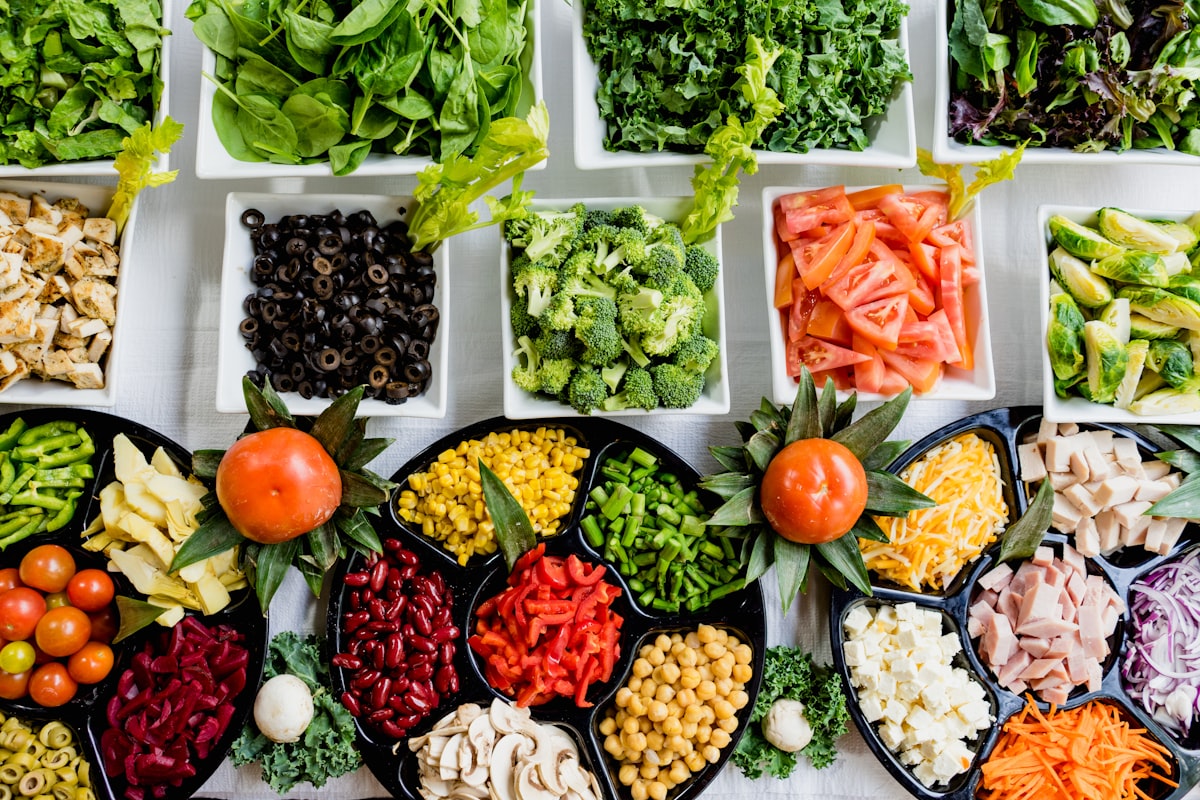
These six are the most famous combinations in Chinese food therapy — the ones that show up in soups, teas, and tonics across a thousand years of household practice.
Goji + Chrysanthemum — the eye pair. ' Tonify and clear, together. The science is genuinely striking: goji is one of the richest food sources of zeaxanthin, the exact carotenoid that concentrates in the macula, and chrysanthemum carries anti-inflammatory flavonoids. Use it: 15 goji berries and 5-6 chrysanthemum flowers in hot water, twice a day — the classic screen-worker's tea.
Ginger + Scallion — the cold-release pair. Both are pungent and warming. Ginger disperses cold from the surface; scallion opens the pores and moves the Wei Qi. Together they're the traditional first response to the early chill of a cold — the 'release the exterior' pair.
Use it: 3-4 slices of ginger and 2 chopped scallions simmered in water for 10 minutes with a little brown sugar, drunk hot at the first sneeze, then under a blanket.
Black Sesame + Honey — the Jing pair. Roasted, ground black sesame tonifies the Kidneys, nourishes Blood and Jing, benefits hair and bones. Honey moistens dryness and harmonizes. The classic tonic for aging and for the kind of tired that sleep doesn't fix. The science side: black sesame's calcium, lignans, and vitamin E; honey's polyphenols. '
Job's Tears + Red Dates — the drain-and-rebuild pair. Job's tears (coix seed) drains dampness and strengthens the Spleen; red dates tonify Spleen Qi and Blood. One clears what the other rebuilds — the classic congee combination for the bloated, the heavy, the waterlogged. Use it: a handful of Job's tears and 3-5 pitted red dates simmered into porridge, three times a week.
Chicken + Chinese Yam — the recovery pair. Chicken is warming and tonifying, the traditional postpartum and convalescence food. Chinese yam tonifies Spleen, Lung, and Kidney Qi without drying anything out. Together they're the standard 'rebuild after illness' soup. Use it: a chicken simmered 2-3 hours with a generous piece of fresh yam and a few ginger slices; drink the broth, eat the yam.
Lotus Root + Pork Bone — the cool-and-strengthen pair. Lotus root is cool and sweet, clearing Heat and cooling Blood while nourishing the Spleen. Pork bone broth is warming, collagen-rich, and traditionally held to strengthen bones and tendons — the Kidney governs bones in TCM. The archetypal Chinese slow soup: cool and warm, moist and nourishing in one pot.
Use it: sliced lotus root and pork bones simmered at least 2 hours with red dates and a little ginger.
- The eye pair for desk workers: start the goji-chrysanthemum tea habit this week. It is the most evidence-backed pair in this list, and the 2 PM cup replaces the third coffee.
- The cold pair needs to be fast: ginger-scallion tea works at the very first chill, not after the cold has settled in. Keep ginger and scallions in the kitchen year-round for this exact reason.
- The recovery pair (chicken + yam) is also the best anti-aging soup: once a week, simmered long and slow, it covers Qi, Blood, and fluids in a single pot.
"When the Liver and Kidney are tonified and Heat is cleared, the eyes are bright. When the Spleen is strengthened and Dampness drained, the body is light. The pairing of foods is the pairing of functions."
The 12 Healing Pairs, Part 2: Kitchen Staples
The second six are the everyday pairs — the ones that turn ordinary meals into quiet medicine without anyone noticing.
Peppermint + Honey — the scratchy-throat pair. Peppermint is pungent and cool, dispersing wind-heat and calming the digestion; honey moistens the Lung and throat and harmonizes the whole thing. Use it: steep fresh or dried peppermint 5 minutes, then stir in a spoonful of honey once the water cools slightly — boiling water destroys honey's beneficial compounds.
Pear + Rock Sugar — the dry-cough pair. Pear is cool and moistening, the signature fruit for Lung and Stomach dryness. Rock sugar is sweet, neutral, and moistening in a way white sugar isn't — the texts say it 'nourishes the middle without creating dampness.' Use it: pear chunks simmered with a thumb of rock sugar for 20 minutes, eaten warm with the syrup. Add goji berries for the eye bonus.
Walnut + Black Sesame — the Jing-and-brain pair. ' Black sesame tonifies Kidney Jing and Blood. The classic Jing-building snack for students and for the aging. Use it: equal parts toasted walnuts and ground black sesame with a little honey, formed into balls — the traditional 'vitality balls,' one or two a day.
Tangerine Peel + Ginger — the digestion pair. Aged tangerine peel (chen pi) regulates Qi, dries dampness, and transforms phlegm — the most-used digestive herb in Chinese cooking. Ginger warms the middle and settles the Stomach. The pair for bloating, nausea, and that 'stuck food' feeling.
Use it: a strip of chen pi and 3 ginger slices simmered for tea after a heavy meal, or thrown straight into braised meats and soups.
Mung Bean + Licorice — the heat-clearing pair. Mung bean is the flagship cooling food, clearing heat and 'resolving toxins.' Licorice harmonizes everything and tempers the mung bean's coldness while adding its own detoxifying action. The classic remedy after rich food or heat exposure. Use it: a handful of mung beans with 2-3 licorice slices simmered until the beans split — a small bowl after a heavy or spicy meal.
Rice + Millet — the Spleen-harmonizing base. White rice is neutral and sweet, tonifying the Spleen and Stomach. Millet is warm and the most Spleen-friendly grain in the canon — the traditional grain for congee and for postpartum recovery. Together they're the base pair of Chinese breakfast. Use it: half rice, half millet, simmered into congee with red dates or pumpkin.
- The pear + rock sugar soup is the best autumn habit: two pears, a thumb of rock sugar, twenty minutes, eaten warm. It prevents more dry coughs than most cough syrups I could name.
- Keep aged tangerine peel in the pantry — it is the single most versatile pairing ingredient: tea after meals, braised meats, congee, even coffee. One strip transforms a dish and your digestion.
- The walnut-sesame balls are the ideal healthy snack: one or two a day covers the 'sweet craving' with a Jing-building food instead of a sugar hit.
"Millet congee nourishes the Spleen and harmonizes the Stomach. Pear with rock sugar moistens the Lung and stops cough. The wise physician is he who knows the pairing of the common foods."
The 6 Conflict Pairs: When Two Foods Fight Each Other
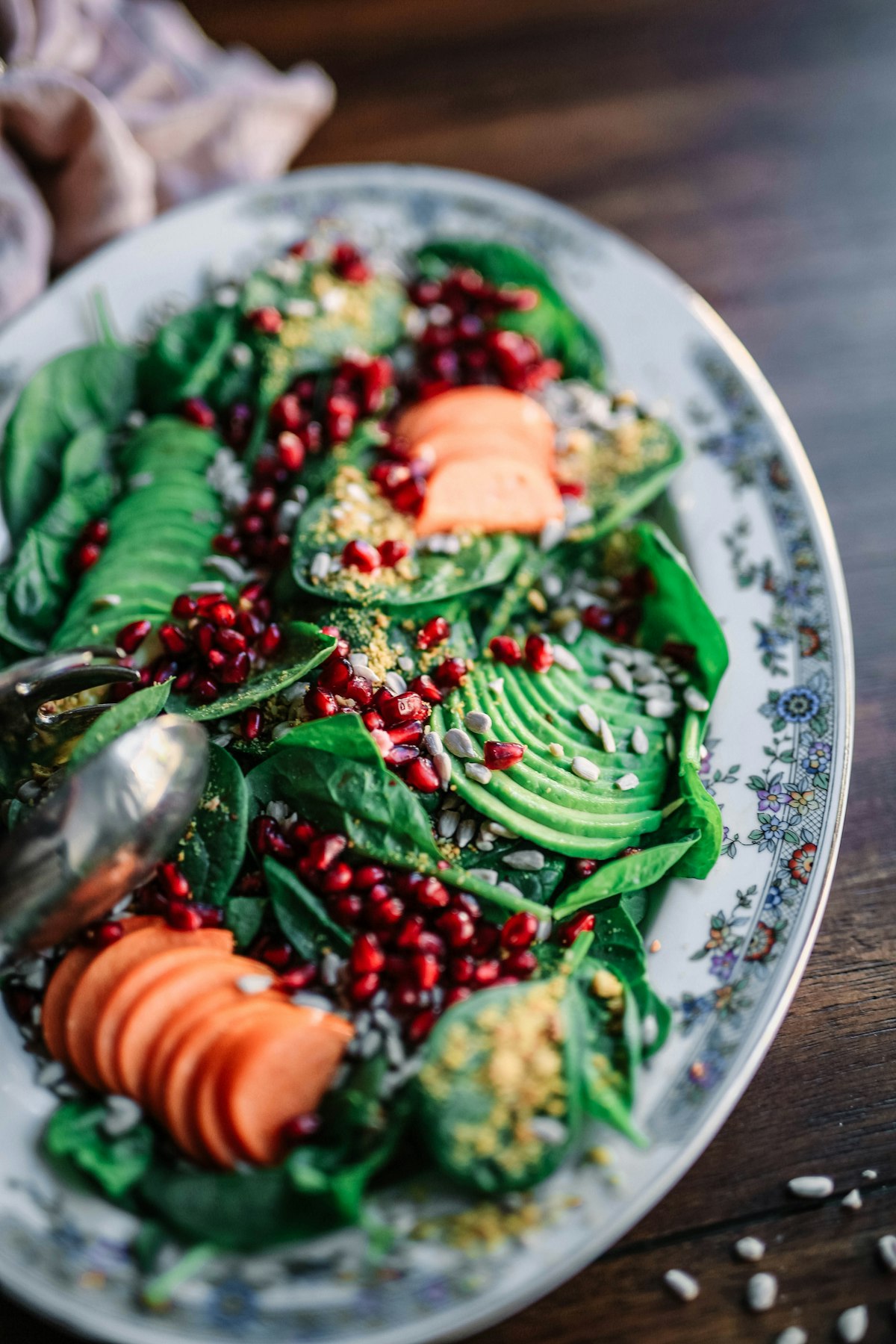
If pairing is a skill, avoiding conflict pairs is its discipline. Sun Simiao compiled the classic prohibitions; clinical experience fills in the modern versions. Six matter most.
1. Cucumber + Tomato (for a cold Spleen). Both run cool, and together they're a double dose of cold on an organ that needs warmth. In someone with weak digestion — bloating, loose stools, cold hands — the 'fresh garden salad' shows up as bloating and fatigue 30 to 60 minutes later. The fix isn't giving up salad; it's a warming companion: ginger dressing, toasted seeds, room temperature instead of fridge-cold.
2. Crab + Persimmon. The most famous prohibition in Chinese food therapy. Both are strongly cold, and the tannins of unripe persimmon can bind crab protein into hard, indigestible masses. The classics warn of acute abdominal pain; modern experience confirms the misery. The fix: never the same meal, and a cup of warm ginger tea after crab — the traditional corrector.
3. Fruit After a Heavy Meal. Fruit sits on top of slowly digesting protein and starch and ferments — gas, bloating, the classic Western 'fruit after dinner' indigestion. The rule: fruit alone, between meals, or at least 30-60 minutes before one. Never on top of one.
4. Cold Drinks with Hot Meals. The temperature shock. The digestive fire is running at full power on a warm meal and a glass of iced water hits it — TCM says this 'extinguishes the Spleen fire,' and the half-transformed food turns to dampness and gas. Warm tea or room-temperature water with meals; cold drinks between them.
5. Milk with Sour Fruits. The acid curdles casein into a harder, slower mass — the 'fruit yogurt' that leaves some people bloated and heavy. TCM frames it as cold plus sour clashing in the middle burner. If dairy agrees with you, take it plain or with honey or dates; take sour fruit separately.
6. Alcohol with Spicy Food. Alcohol is Damp-Heat in a glass; chili adds fire on top. The most reliable Damp-Heat generator in modern eating — the flushed face, the next-morning tongue coating, the skin flare, the gout flare. If you drink, pair alcohol with broth, cooked vegetables, and rice. Never with chili.
One rule underlies all six: conflict pairs aren't poison for everyone. A strong digestive system handles most of them occasionally. They matter most for children, the elderly, and anyone with weak digestion — and they matter cumulatively. A lifetime of cold-on-hot, fruit-on-meat eating is a lifetime of small digestive injuries that add up.
- The most common conflict pair in American diets is #3 — fruit after dinner. The single change (fruit between meals, not after) resolves more chronic bloating than any supplement I know.
- For conflict pair #1, the fix is not to give up salads but to give them a warming companion: ginger-garlic dressing, toasted sesame, a few shiitake mushrooms, and room temperature rather than fridge-cold.
- After crab or any rich seafood meal, the traditional corrector is a cup of warm ginger tea — it is the standard pairing antidote, and it works.
"Do not combine that which is extremely cold with that which is extremely hot. Do not pile fruit upon cooked food. Do not drink cold when the Stomach is full of warmth. These are the prohibitions that protect the middle burner."
The Pairing Logic: How to Design Your Own Combinations
The twelve healing pairs and six conflicts aren't a random list. They're applications of three principles you can use to design your own.
Principle 1: Match or moderate temperature. The first question for any pair is whether the natures clash. The best pairs either match — ginger + scallion, both warm and pungent, reinforcing each other — or moderate: mung bean + licorice, cold tempered by neutral; pear + rock sugar, cool moistened by neutral sweet.
The failing pairs clash hard: crab + persimmon is cold on cold; iced drink on hot food is cold against heat. The design rule: a healthy person can balance opposites; a weak Spleen should match or moderate — never stack cold.
Principle 2: Balance the flavors. Each of the five flavors enters an organ and does a job. Good pairs combine flavors that work together — pungent ginger with sweet honey, dispersing plus harmonizing — or use one flavor to correct another's excess: bitter mung bean with sweet licorice, where the bitter drains and the sweet protects the Spleen.
The design rule: a plate should carry all five flavors with none dominant, and no pair should be same-flavor-same-excess. All-sour or all-sweet is a problem waiting to happen.
Principle 3: Align the functions. Every food also does something: tonify (build), clear (cool or drain), move (circulate Qi), moisten (lubricate), or dry (transform dampness). The classic pairs pair a tonifier with a clearer — goji tonifies while chrysanthemum clears. Or a mover with a transformer: tangerine peel moves Qi while ginger warms the middle.
The design rule: decide what the meal should accomplish — nourish, clear, move, or restore — and choose pairs whose functions point the same direction.
A worked example: a winter soup for someone who is cold, tired, and bloated. Temperature: everything warm. Flavors: pungent (ginger) to move, sweet (dates, yam) to tonify, subtle salty (broth) to anchor. Functions: tonify Qi (chicken or yam), move stagnation (ginger, tangerine peel), warm the middle (cinnamon).
The result — chicken, yam, ginger, dates, a strip of chen pi — would look entirely unremarkable in a Chinese kitchen. That's the point. The system is invisible when it works.
- When designing your own pair, ask three questions in order: Do the temperatures clash? Do the flavors balance? Do the functions point the same way? If yes to all three, the pair will work.
- For a weak digestive system, the default pair formula is: one warming mover (ginger, tangerine peel, scallion) + one neutral tonifier (yam, millet, dates, bone broth). Warm + neutral is the safest template.
- The function test in practice: after a meal, ask what it should do — if you're tired and cold, it should tonify and warm; if you're flushed and hot, it should clear and cool. Then check your plate did that.
"The nature of a food is its temperature; the action of a food is its flavor and function. When nature, flavor, and function are combined with knowledge, the common meal becomes a prescription."
Meal Design: Applying Pairing to a Full Plate
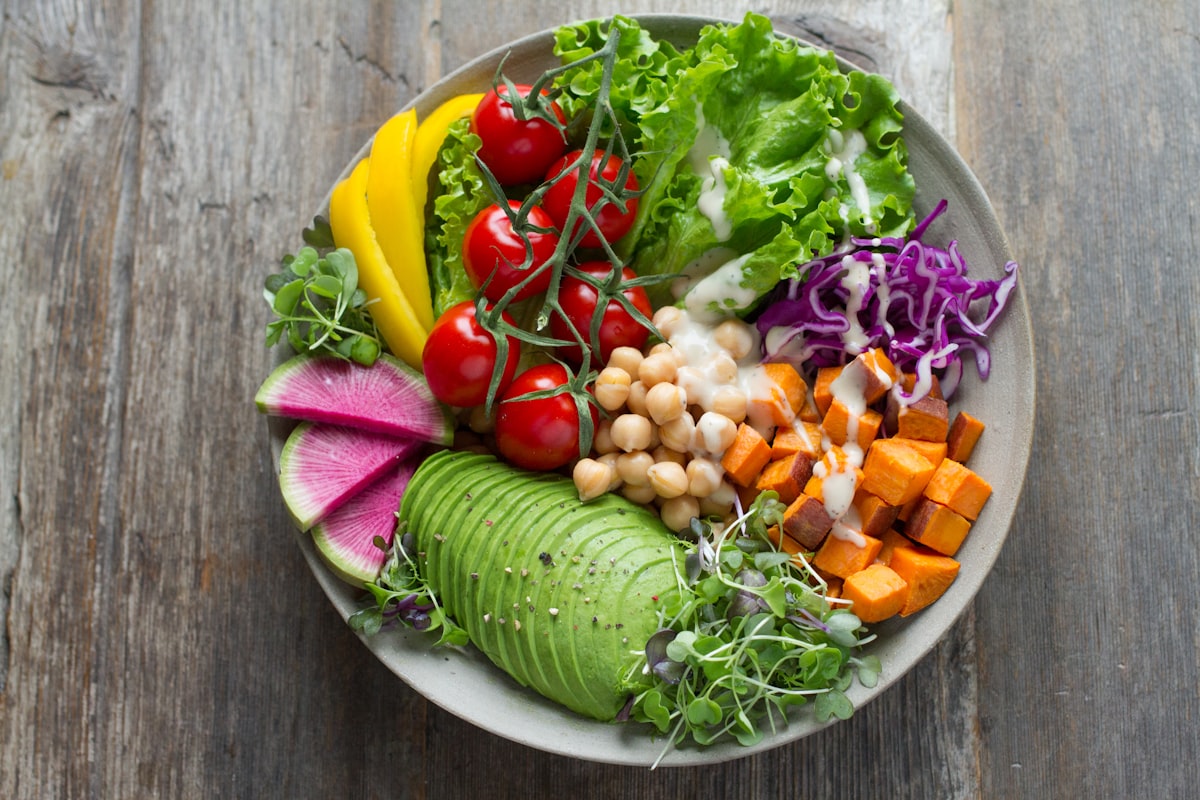
Pairing is usually taught pair by pair, but eating happens plate by plate. Here's how to assemble a complete meal that follows the logic end to end — five parts, each one a pairing decision.
1. The grain base — pair it with the Spleen in mind. Grains are the neutral-sweet foundation: rice, millet, congee, or well-cooked whole grains. Match the grain to the person — millet or congee for weak digestion, rice for balance, and the classic half-rice-half-millet mix for everyone else. Add a warming note: ginger slices in the congee, a pinch of cinnamon on oatmeal.
2. The protein — pair it with the body's current need. Chicken or pork for tonifying when you're rebuilding after illness or fatigue; fish for moistening when you're dry; eggs as the neutral daily protein. The rule: protein plus a supporting vegetable or herb — chicken + yam to tonify, fish + ginger to disperse cold, egg + bitter melon to clear heat. Never protein plus a cold drink.
3. The vegetables — cooked with a little raw, warm with a little cool. The rule from the conflict pairs: most of the plate cooked, and any raw element gets a warming companion — ginger dressing, toasted seeds, room temperature. Match vegetable nature to season: greens and sprouts in spring, bitter greens in summer, squash in autumn, roots in winter.
4. The flavor layer — seasoning is a pairing, not an afterthought. Ginger, garlic, scallion, tangerine peel, turmeric, cinnamon — each is a functional food.
The rule: every dish gets at least one pungent mover, and the meal as a whole covers all five flavors — sour (vinegar, lemon in a dressing), bitter (greens, tea after), sweet (the grain, a date, honey), pungent (the spices), salty (a pinch of mineral salt or miso).
5. The beverage — the most common pairing failure. Warm tea or room-temperature water with the meal, never iced. Chrysanthemum or green tea if the meal was rich; ginger tea if it was cold-making; peppermint after a heavy meal. And the sequencing rule that ties it together: fruit between meals, never after; dessert, if any, small and warm — pear and rock sugar beats ice cream for a cold Spleen.
A full worked example, the 'five-element plate': half-rice-half-millet congee with ginger; steamed chicken with Chinese yam; stir-fried greens with garlic and a squeeze of lemon; a small side of pickled vegetables for the sour; chrysanthemum tea to close. Every element is a pair, and every pair follows temperature, flavor, and function.
This is what my grandmother's 'chaotic' cooking actually was — meal design by pairing logic, executed so fluently it looked like instinct.
- Design the plate before you cook, not while you eat: grain base, protein pair, vegetable pair, flavor layer, beverage — five quick decisions, and the meal builds itself.
- The 5-flavor audit of a full plate: if your plate is sweet + salty only (the modern default), it is not a complete meal by TCM standards. Add one sour and one pungent element and the balance shifts immediately.
- The beverage is the stealth pairing: most people choose drinks without thinking. A warm ginger or chrysanthemum tea turns the drink from a pairing failure into the meal's best pair.
"A meal is not a collection of foods but a composition of natures, flavors, and functions — arranged so that each part supports the others and the whole serves the body's need."
Children, the Elderly, and Weak Digestion: When the Rules Get Stricter
Pairing rules are not one-size-fits-all. The plate that's perfect for a robust adult can be a burden for a child, an elder, or anyone with weak digestion. The general principle: the weaker the digestion, the simpler the pairs, the warmer the food, and the stricter the conflict rules.
Children: their Spleens are immature — the classics say 'the child's Spleen is often insufficient' — which is why kids bloat, refuse food, and crave sweets. The rules for children: keep combinations simple, one or two elements per dish rather than twelve-ingredient bowls. Keep everything warm and cooked — no fridge-cold fruit on an empty stomach, no raw salad as a main.
Honor the conflict rules strictly: fruit between meals, no cold drinks with meals. And use the child-friendly pairs: rice + millet congee with a little pumpkin, cooked egg + tomato (cooking neutralizes the raw tomato's coldness), honey + cooked pear for a dry cough. The classic childhood tonic remains millet congee with red dates — the Spleen-building breakfast generations of Chinese children were raised on.
The elderly: two changes come with age — the digestive fire weakens, and the need for Jing-nourishing foods rises. Favor the slow-simmered, easily transformed pairs: chicken + yam, lotus root + pork bone, congee of every kind. Emphasize the Jing pairs: walnut + black sesame, black sesame + honey, black rice congee.
Keep food warm and meals regular, and be strictest of all about the conflict rules — an aging Spleen has the least tolerance for cold-on-hot and fruit-on-meal. A practical elder template: black rice congee with black sesame and honey at breakfast, bone broth soup with lotus root and yam at midday, and a small early dinner of fish with ginger and cooked greens.
Weak digestion generally — post-illness, post-antibiotic, chronic bloating: the strictest version of everything in this article.
Start from the gentlest pair, rice + millet congee with a little ginger, and add pairs one at a time as the Spleen recovers: neutral tonifiers first (yam, dates, pumpkin), then warming movers (ginger, tangerine peel), then proteins (chicken, fish, well-cooked egg), and cooling foods last, in cooked form — cooked cucumber, cooked pear. Avoid every conflict pair without exception until digestion is solid.
Here's the test I give patients: eat by the pairing system for twelve weeks. The twelve healing pairs in rotation, the six conflict pairs avoided, the plate template applied daily. Most people find that bloating resolves, energy after meals stabilizes, and food stops being a source of symptoms.
That's the practical payoff of a system that is two thousand years old — and, as the food-synergy research keeps confirming, ahead of its time.
- For children, the single best pairing habit: millet + red date congee for breakfast. It is warm, sweet, Spleen-building, and it crowds out the cold cereal that starts too many small days with a cold insult.
- For elders, the Jing pair (walnut + black sesame, or black sesame + honey) is the daily insurance: one spoonful a day is the traditional longevity tonic, and the bone-and-hair benefits match the Kidney's governance of bones.
- For weak digestion, the recovery sequence matters: congee first, tonifiers second, movers third, cooling foods last. Reversing that order is the most common reason 'I tried TCM and it didn't work.'
"The child's Spleen is not yet full; the elder's Spleen is already waning. For both, simplicity is kindness: few foods, warm foods, foods that pair with the body's strength rather than against it."