The Fork in the Road After 60
At some point after 60, you hit a wall. The running that kept you fit for thirty years now leaves your knees swollen for days. The HIIT class that used to be your therapy? It wipes you out instead of firing you up. So you stop.
And that's when things really go downhill. Muscle evaporates at 3-8% per decade after 30. Balance erodes so slowly you don't notice until a flight of stairs feels like a mountain. Your heart and lungs decondition without ever setting off an alarm — one day you just can't do what you used to do, and you're not sure when it happened.
The WHO's 2020 guidelines on physical activity and healthy aging are unambiguous: staying active past 65 cuts your risk of falls, heart disease, diabetes, depression, and cognitive decline. That's some of the strongest evidence in all of medicine. But look closer at the studies behind those numbers. The interventions that worked were walking, balance training, resistance bands, and tai chi.
No one was doing marathons.
TCM has been making a distinction for two thousand years that Western fitness hasn't caught up with: some movement generates energy. Some drains it. The over-60 body — thinner cartilage, stiffer fascia, smaller reserves — is exactly the body that needs to learn the difference.
This article is the framework I give every senior client: what to do, what to avoid, how often, and how to get stronger without breaking the machine you're trying to fix.
- If you currently do nothing, the single best first step is 10 minutes of walking a day. Not qigong, not balance work — walking. Everything else builds on that foundation.
- The goal after 60 is not fitness in the gym sense — it's function: getting up from a chair, carrying groceries, catching yourself on uneven ground. Train for the life you actually live.
"The ancient ones who knew the Way patterned their lives on Yin and Yang... they were moderate in eating and drinking, regular in rising and resting, and did not exhaust themselves with foolish striving. Therefore their bodies were healthy and their spirits full, and they lived out their natural span."
Generate, Don't Drain: The One Rule That Changes Everything
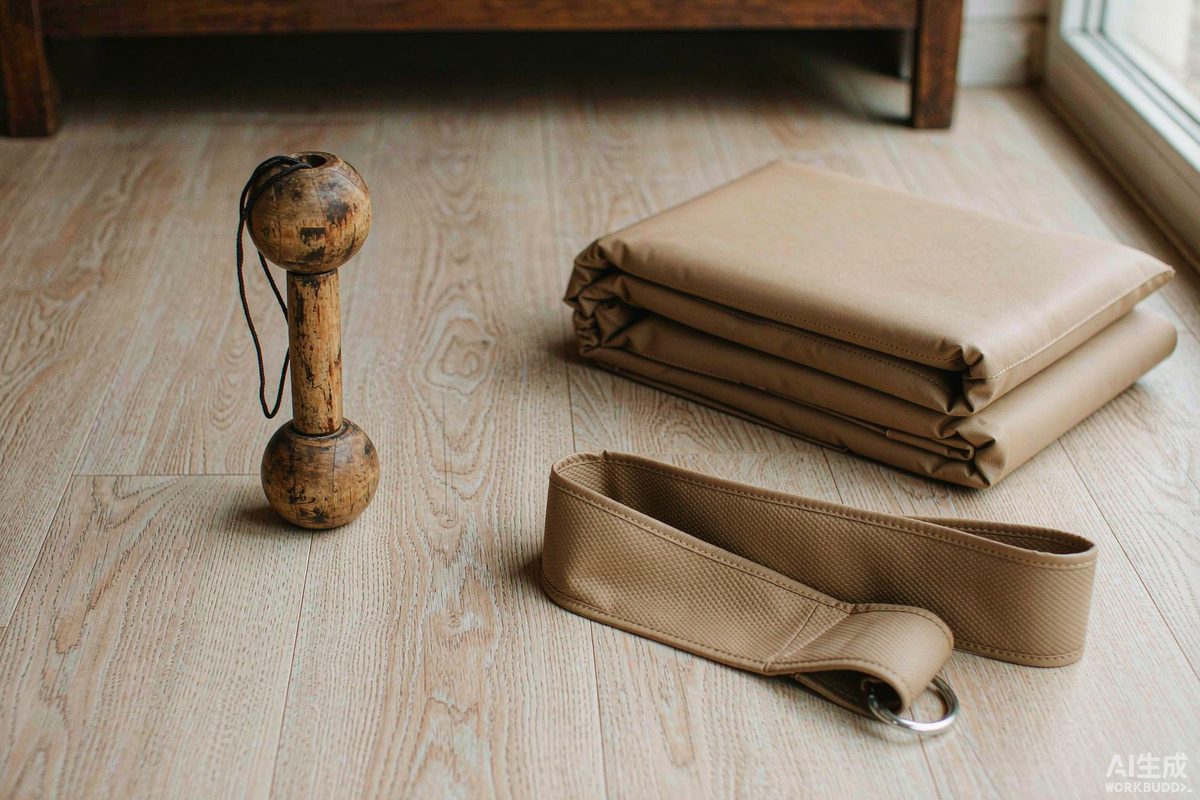
The simplest rule in TCM exercise: your workout should leave you with more energy than you started with. Not the same amount. More.
Qi is the stuff that moves your body, keeps your organs warm, and fights off illness. Every activity either builds it or burns it. A brisk 30-minute walk builds it — gets blood moving, wakes up the Spleen (which turns food into energy), lifts your mood. A 30-minute run at max effort burns it — pulls from your Kidney's deep reserves, overstimulates your adrenals, leaves you flat for hours. Sometimes for days.
For a thirty-year-old, that drain is affordable. Reserves run deep and the body rebuilds overnight. For a sixty-five-year-old, reserves are shallower and recovery is slower. Chronic overtraining at that age isn't discipline — it's a slow leak of the vitality you're trying to protect.
The classical terms are tonification (bu) versus drainage (xie). Tonifying exercise finishes warm, clear-headed, quietly strong. Draining exercise finishes shaky, hungry, foggy, irritable. Here's the test I give every client: one hour after your workout, are you more energetic or less? If 'less,' your dose was too high — I don't care what the fitness app said.
The second piece: after 60, movement quality beats quantity. The Tai Chi Classics describe ideal movement as so precise that 'a feather cannot be added, and a fly cannot land.' That slow, aware, economical quality is exactly what aging bodies need — it trains the nervous system, the balance system, and the fascia all at once, with zero impact.
Then there's the Spleen. In TCM, the Spleen governs flesh and muscle. It thrives on regular, moderate, rhythmic movement — the smooth flow of walking and qigong. It withers under two extremes: doing nothing, or going too hard. The over-60 prescription is, at its core, a Spleen prescription: move every day, move gently, move with rhythm, and never move to exhaustion.
- The 'one-hour test' is the single most useful self-monitoring tool in this entire article. Use it after every new exercise for the first month.
- Signs you are draining rather than generating: needing a nap after exercise, soreness lasting more than 48 hours, poor sleep the night after a workout, irritability, or loss of appetite. All four mean: reduce the dose.
"The man who knows how to nourish life moves his body regularly but never to the point of exhaustion. The Spleen loves the regular rhythm of the flowing stream, not the violence of the flood."
A Movement Pyramid That Actually Makes Sense
Picture three layers. The bottom — the widest — is walking. Non-negotiable. Walking hits everything the over-60 body needs: it loads your bones (maintaining density), it's rhythmic (the Spleen loves it), it's social (the Heart loves it), and you can dial it from ten minutes on a rough day to an hour on a good one.
The WHO's 2020 review confirms that even modest daily walking cuts mortality risk in older adults substantially. Nothing else in this article has a better safety profile. Target: 30 minutes, most days.
The middle layer is qigong — the slow, meridian-based movement systems of TCM. This is where the organ-nourishing work lives. Fifteen to twenty minutes daily trains balance, mobility, breathing, and the nervous system simultaneously, with impact so low it barely registers. The Five Animal Frolics basics, modified Eight Brocades, tai chi walking — those are covered in the next section.
The top — the smallest layer — is light strength work. And this is where most seniors go wrong. They either skip strength entirely and watch their muscles waste (muscles protect joints — lose them and your knees pay the price), or they do heavy, aggressive lifts designed for thirty-year-olds. The over-60 version: bands, light dumbbells, chair squats, wall push-ups.
Two to three short sessions a week, always a rest day between.
The pyramid has logic: the base gives you cardiovascular health and bone density. The core gives you balance and organ nourishment. The top gives you the raw strength that keeps the other two safe. Skip a layer and the whole thing wobbles. Skip walking and everything else is built on sand. Skip strength and your joints lose their muscular armor. Skip balance and a stumble becomes a fracture.
- Layer proportions matter: if you only have 45 minutes a day, spend 20 walking, 15 on qigong, and 10 on strength. That ratio — base, core, top — is the whole pyramid in miniature.
- Track your pyramid for two weeks in a simple notebook. Most people discover they're heavy on one layer (usually walking) and absent from another (usually strength).
"The tree that is deeply rooted does not fear the storm. The body that walks daily, moves gently, and trains its strength in moderation does not fear the years."
Qigong, But Make It Doable: The Moves and the Mods
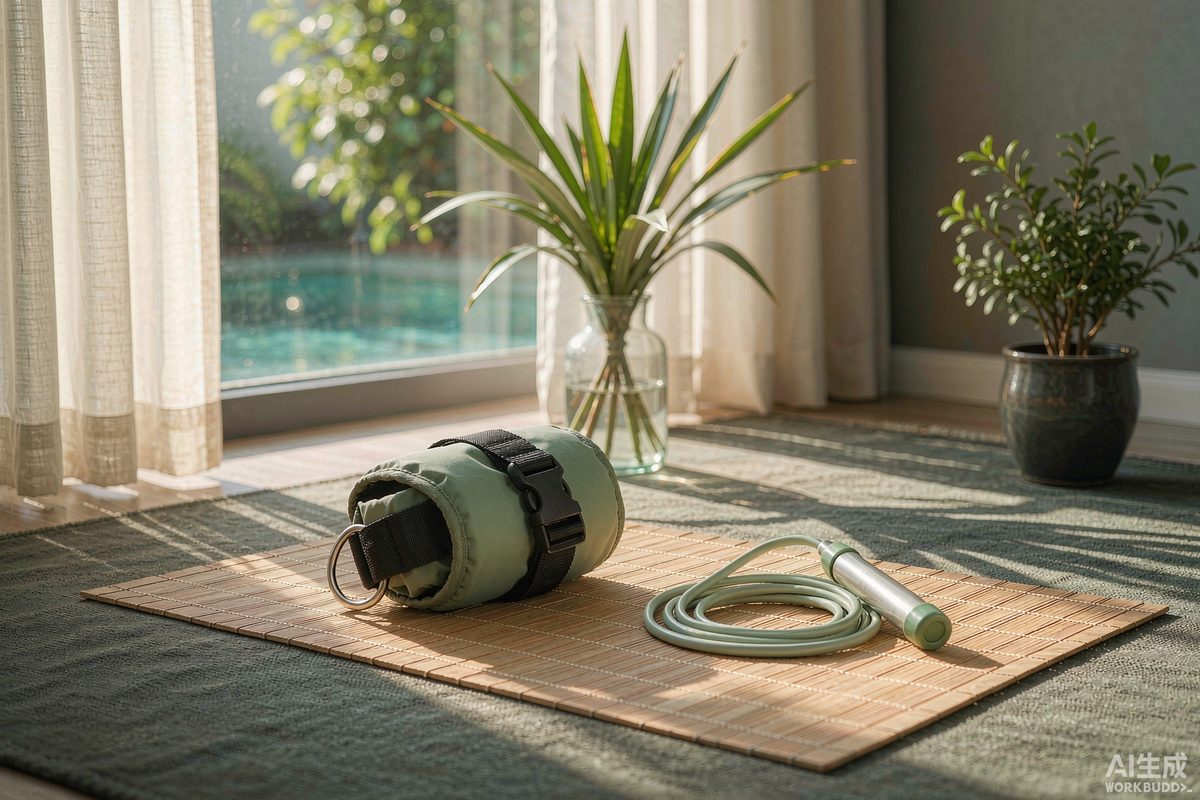
Qigong is ideal for the over-60 body for one reason: every form is infinitely scalable. You can do any movement at 30% intensity and still get most of the benefit. Here are the specific practices I teach, with the exact modifications that keep them safe.
Five Animal Frolics (Wu Qin Xi) — the system my grandfather taught me, and the first thing I give every senior client. Bear: slow, swaying weight shifts that mobilize the spine — feet shoulder-width, knees barely bent. Deer: gentle hip rotations that bring circulation to the kidney region — a sway in place, nobody's actually running. Monkey: the balance and agility form — do it holding the back of a sturdy chair.
Bird: chest-opening and single-leg balance — one hand on a chair, or skip the leg lift entirely and just raise your arms. Tiger: strength and grip via slow clawing motions with soft knees — never a deep lunge. All five, at senior intensity, take about fifteen minutes and cover the whole body.
Eight Brocades (Ba Duan Jin), with three key tweaks. Brocade One (Two Hands Hold Up the Heavens): soft knees, don't rise onto your toes — the arm lift alone opens the Triple Burner. Brocade Six (Two Hands Hold the Feet): if you have any balance concern, do this seated in a chair, reaching toward your shins, back long.
Brocade Eight (Bouncing on the Toes): the heel drop is great for bone density but too jarring for some aging spines — do it as a gentle heel lift and lower, no drop, holding a chair.
Tai chi walking. The single most underrated senior exercise there is. Walk slowly, heel-to-toe, shifting weight fully before each step, arms relaxed, gaze soft. Ten minutes trains balance, leg strength, and focus better than most equipment — and a 2017 RCT in the Journal of the American Geriatrics Society found tai chi reduced fall risk in older adults by roughly 40% compared to stretching alone.
The thread through all three: slow, continuous, weight-shifting movement with soft knees and a soft gaze. That's the formula.
- Chair support is not cheating — it's how you progress safely. Every movement in this section can be done holding the back of a sturdy chair. Use it until you don't need it.
- Do qigong barefoot or in grip socks on a non-slip surface. The Kidney meridian begins at the sole of the foot, and grounded feet are stable feet.
- Never practice qigong on a full stomach. Wait 60 minutes after meals — the Spleen needs its blood supply for digestion, not for standing meditation.
"A feather cannot be added, and a fly cannot land. The movement is so slow, so precise, that the body moves as one piece — and this is the training that keeps the elder upright."
What to Retire: Moves That Punish Aging Bodies
Half of senior fitness is knowing what not to do. Here's what I tell every over-60 client to retire, replace, or radically modify.
High-impact anything. Running, jumping rope, aerobics with hops — any move where both feet leave the floor. After 60, cartilage is thinner and it repairs slowly; each impact is a micro-trauma that compounds. A 2019 meta-analysis in the American Journal of Sports Medicine found recreational runners over 50 had significantly more knee osteoarthritis progression than walkers.
Replace with: brisk walking, elliptical, swimming, qigong.
Deep knee bends. Full squats, deep lunges — anything that takes the knee past about 90 degrees under load. The patellofemoral joint takes its hardest hit in deep flexion, and aging patellar cartilage is exactly the tissue that gives out first. Replace with: chair squats (sit to a chair, stand up — the furniture controls depth) and shallow bends that never break 90.
Head-down positions. Shoulder stands, headstands, deep forward folds held too long, vigorous down-dog. Three problems: the blood-pressure shift stresses aging cerebral vessels, the neck compression risks cervical spine injury, and you can't catch yourself if you lose balance. Replace with: seated forward folds and wall-supported stretches where your head stays above your heart.
Extreme stretching. Aggressive static stretching of cold tissue, ballistic bouncing, any stretch to max range. Aging fascia is less elastic and more prone to tearing — a torn hamstring at 65 is a six-month recovery. Replace with: the meridian stretching routine (see our companion guide), done warm, at 60-70%, never bouncing.
Heavy lifting with bad form. The problem isn't strength training — it's heavy loads on deteriorating technique. A 70-year-old deadlifting 300 pounds with a rounded back is a herniated disc waiting to happen. Replace with: the light strength layer — bands, light dumbbells, bodyweight — always with a trainer or PT checking form for the first month.
One last item that's a condition, not a movement: exercising when sick. In TCM, illness means Qi deficiency plus a pathogen. Exercise during a cold or fever diverts Qi from the immune fight. Sun Simiao's rule: rest until fully recovered, then resume at half intensity for the first week back.
- The blacklist is not a ban on life — it's a ban on specific movements. Every blacklisted activity has a listed replacement that delivers most of the benefit with a fraction of the risk.
- When in doubt about any movement, apply the two tests: Does it hurt (joint pain, not muscle burn)? Does it leave you more tired an hour later? Yes to either — don't do it.
"The wise doctor treats disease that has not yet arisen. The wise elder exercises in a way that prevents the injury that has not yet happened."
Balance: The Difference Between a Stumble and a Life-Changing Fall
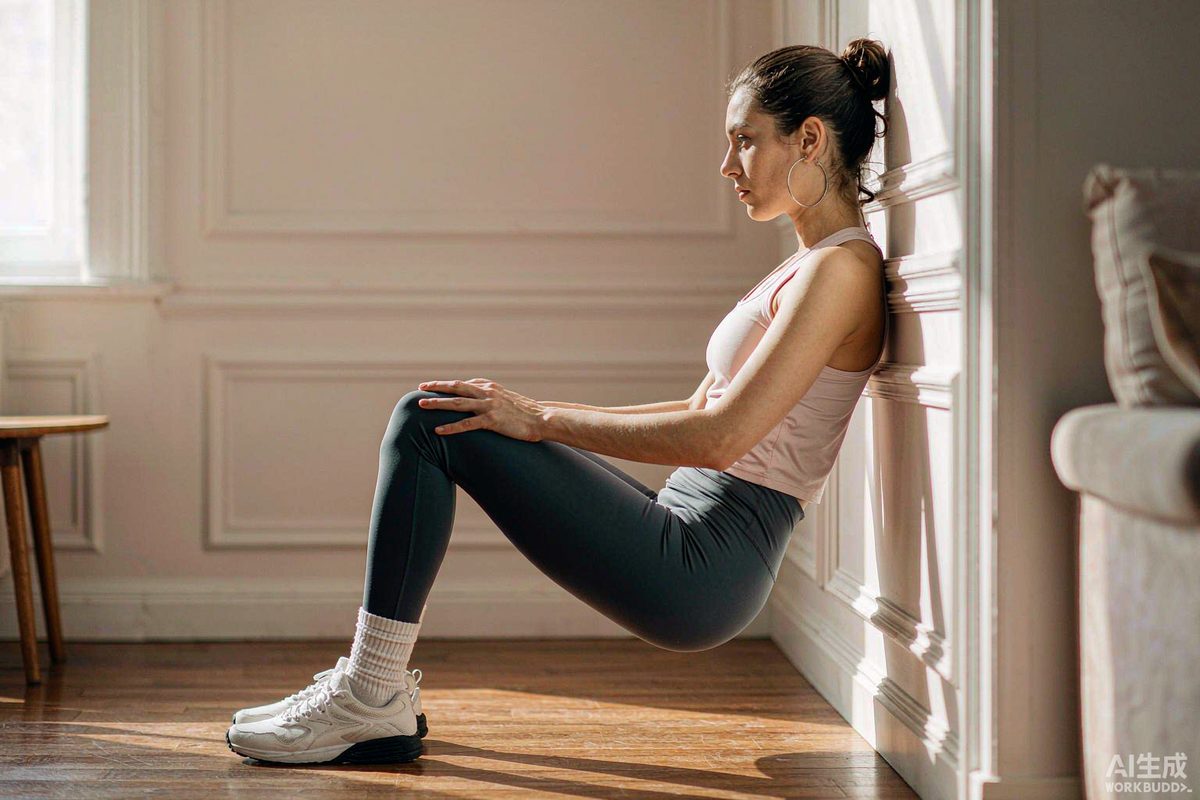
If you tune out everything else, stay for this part: balance is the most trainable — and most neglected — skill of the over-60 body. It's what sits between you and a fall that changes everything.
Falls are the leading cause of fatal injury in adults over 65, and hip fractures carry a one-year mortality rate of roughly 20-30%. That's the grim side. The hopeful side: a 2015 BMJ meta-analysis of 88 trials found structured balance training cuts fall rates by about 23%, and programs above three hours per week reduce falls requiring medical attention by more than half.
Balance is trainable at any age because it's neurological — not purely muscular. The system of inner ear, eyes, and joint sensors (proprioception) sharpens like any other sense.
Here's the progression I use with every senior client.
Level 1 — Supported stance: stand behind a sturdy chair, hands on the back. Shift weight side to side, 30 seconds. Then lift one heel, then one toe, alternating — another 30 seconds. This wakes up the ankle and foot sensors.
Level 2 — Single-leg stands with support: hold the chair with two hands, stand on one leg for 10 seconds, switch. Progress to one hand, then fingertips, then no hands — always within arm's reach. Target: 30 seconds unassisted per leg.
Level 3 — Heel-to-toe walking: walk a straight line (floor seam, strip of tape), heel touching toe, arms out. Ten steps forward, ten back.
Level 4 — Eyes-closed variations: the crown jewel. Close your eyes during stance drills and single-leg stands. Removing vision forces your inner ear and joint sensors to take over — and that's the exact system that saves you on an uneven sidewalk at dusk. Always stay within reach of support.
Level 5 — Dynamic balance: tai chi walking, balance board, weight-shifting qigong. This is where balance becomes functional — catching yourself mid-stride.
Ten minutes daily, every day, is ideal. Balance is use-it-or-lose-it — it degrades within weeks. Through the TCM lens: the Kidney governs bones and marrow, and the Kidney meridian starts at the sole of the foot. Every balance drill that grounds you through Yongquan (KD-1, the Bubbling Spring) is simultaneously tonifying Kidney Qi — the essence of longevity. Balance work isn't just fall prevention.
It's Jing preservation.
- Do balance work barefoot or in grip socks on a firm, non-slip surface. Shoes with thick soles insulate your foot sensors from the ground — you want maximum signal, not cushioning.
- The 'eyes-closed test' is a great home assessment: can you stand on one leg for 10 seconds with your eyes closed, within reach of support? Most people under 40 can; most people over 70 can't. Train it.
- Never combine balance training with fatigue. Do it first in your session, when the nervous system is fresh — a tired brain is a stumbling brain.
"The foot is the root of the body. When the root is firm, the trunk stands tall and the hundred vessels are in order. When the root is unsteady, the whole tree shakes."
A Seven-Day Plan You'll Actually Follow
Here's the full seven-day plan. It's designed to be realistic, not heroic — about 40-50 minutes a day, one genuine rest day, and it follows the TCM clock where it matters.
Monday — Foundation day: 20-minute walk (brisk but conversational), then 15 minutes of Eight Brocades (modified — no toe-rises, seated fold for Six, gentle heel lifts for Eight). Evening: 10 minutes balance Level 1-2.
Tuesday — Qigong and strength: 10-minute walk to warm up, 15 minutes of Five Animal Frolics (chair-supported as needed), then 10 minutes of light strength: chair squats (2 sets of 8-10), wall push-ups (2 sets of 8-10), seated band rows (2 sets of 10-12). Evening: 10 minutes balance Level 2-3.
Wednesday — Walking and balance: 30-minute walk — grab the poles if you have them; they turn a walk into full-body movement and steady your gait on hills. Evening: 10 minutes balance Level 3-4 (heel-toe walking, eyes-closed supported stands).
Thursday — Repeat Tuesday's structure but swap the forms: 10-minute walk, 15 minutes of tai chi walking (slow, deliberate, full weight shift), then the same 10-minute strength block.
Friday — Active recovery: 20-minute gentle walk, then 15 minutes of meridian stretching (see our 12-minute routine — warm tissue, 60-70% intensity). No strength.
Saturday — Full practice day: 15-minute walk, 20 minutes of your favorite qigong form (all five animals, or the full Eight Brocades — pick one), 10 minutes balance Level 5 (balance board or tai chi walking with arms out). Evening: 10 minutes meridian stretching.
Sunday — Rest and refine: one 20-minute leisure walk. No pace goals. No distance goals. A walk because it feels good. Plus 5 minutes of closing qigong meditation: stand quietly, hands on lower Dantian, breathe slowly.
That's it. Two strength sessions, daily walking, qigong six days, balance work every day, one genuine rest day, and nothing from the blacklist. The plan is deliberately modest — the failure mode of senior exercise programs is over-ambition, not under-ambition. Do this for a month, then adjust: if the one-hour-after test says you're energized, add five minutes to the walks.
If balance levels feel easy, move up a level. If anything hurts, drop it and talk to your doctor or PT.
The body you rebuild with this plan isn't the body you had at 40. It's the body you need at 65, 75, and 85: strong enough to stand up from a chair without using your hands, balanced enough to catch a stumble, and vital enough to keep generating Qi for the decades ahead.
- Write the plan on paper and put it on the fridge. Studies show written schedules roughly double adherence to exercise programs — the act of committing on paper is itself a form of Yi (intention).
- If a day is lost, don't double up the next day — just resume the schedule. The plan is designed to absorb occasional missed days without collapsing.
- Bring a family member or friend into the walking slots. Social exercise addresses the Heart (which governs joy and connection) as much as the body — and the Heart is an organ worth exercising.
"Regularity in rising and resting, moderation in eating and drinking, and constancy in movement — these three preserve the essence, and the preserved essence preserves the years."