Why the Tenth Diet Fails Worse Than the First
Here's the uncomfortable truth my patients bring me after years of struggle: the more diets you've done, the harder the next one works, and the faster the weight returns when it ends. The first diet was easy. The fifth is brutal. The tenth barely moves the scale at all, and the rebound after it is the heaviest yet.
That's the yo-yo cycle, and it isn't a failure of willpower. It's a predictable biological and energetic response to a strategy that fights the body instead of working with it. Western medicine has a name for part of it: metabolic adaptation, the body's defensive slowdown during calorie restriction, which a 2018 systematic review confirmed persists even after you account for the weight actually lost.
TCM has a deeper frame, and I find it more useful with patients. Every crash diet injures Spleen Qi. The Spleen is the engine that transforms food into energy. Starve the engine and it weakens. A weakened engine transforms poorly and stores what it can't process.
So the same calories that once fueled you now become fat, the next diet has to be stricter to get the same result, the engine weakens further, and the spiral tightens.
The weight that comes back isn't just the weight you lost. It comes back with interest, because you're carrying it in a body whose transformation system is weaker than before. This article walks through the mechanism, the seven signs your Spleen is depleted from dieting, and the protocol that breaks the cycle. Not eating less—eating better.
Warm, cooked, regular, Qi-building food that rebuilds the engine until it can transform again.
- If you have dieted five or more times in your life, assume your Spleen is depleted until proven otherwise. The history itself is the diagnosis.
- The rebound after a diet is not a moral failure; it is a metabolic event. You cannot out-discipline a weakened transformation system.
- Every diet you are about to start, ask yourself: will this strengthen or weaken the engine that turns food into energy? If it weakens it, it is a trap.
"The Spleen and Stomach are the foundation of the postnatal constitution and the source of Qi and Blood. When they are injured, the hundred diseases arise."
What Crash Dieting Does to the Engine That Makes Your Energy
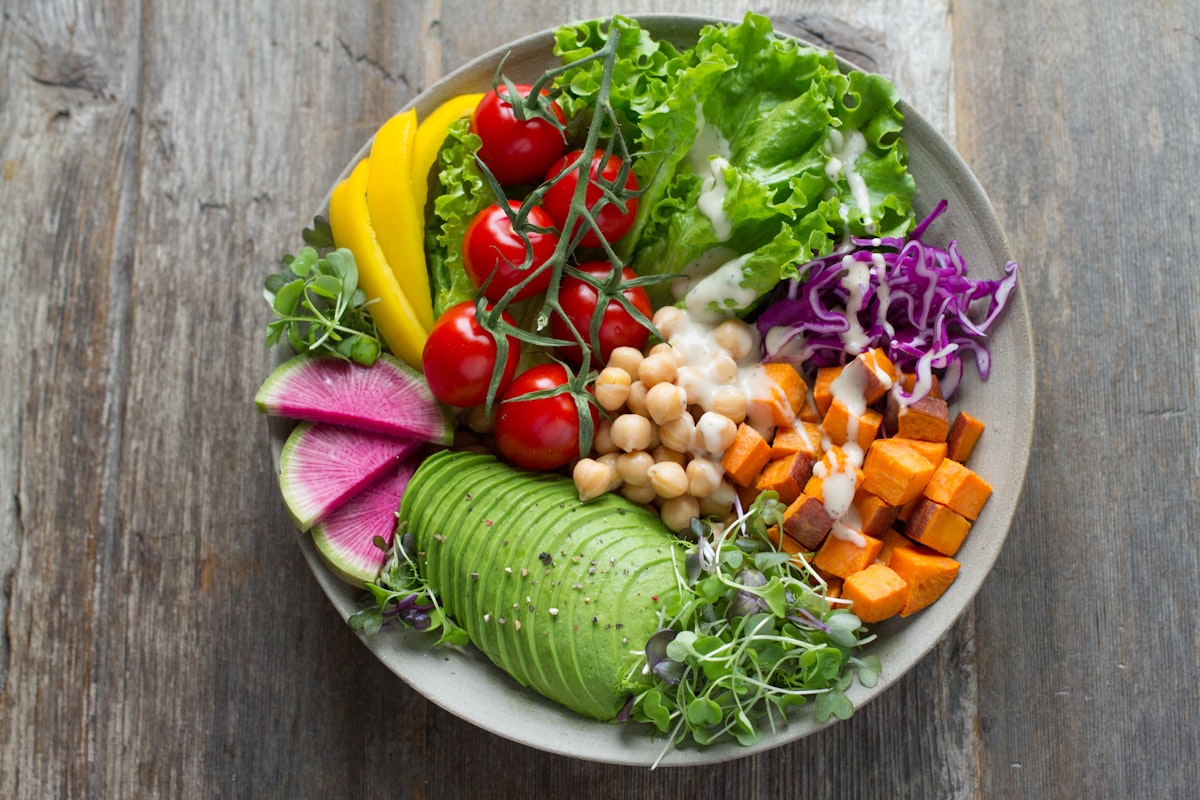
To understand why dieting injures the Spleen, you first need what the Spleen actually is. In Chinese medicine it governs transformation and transportation: it takes the food and drink you consume, transforms them into Qi and Blood, and ships those resources to every organ, muscle, and cell. It's the engine of your daily fuel.
The Yellow Emperor's Inner Canon is blunt about the stakes: the Spleen is the root of postnatal Qi, and when it's strong, food becomes vitality; when it's weak, food becomes accumulation.
Now consider what a crash diet does. It hands the Spleen far less fuel than it needs, often with long gaps between meals, cold and raw food—salads, smoothies, iced drinks—and the metabolic stress of hunger. The Spleen, like any engine, isn't strengthened by starvation. It's damaged by it. Qi declines, transforming power drops, and the body reads the message: fuel is scarce.
Li Dongyuan, the 13th-century physician whose Pi Wei Lun founded the Spleen-centered school of medicine, was explicit that injury to the Spleen and Stomach from improper eating is the root of most chronic disease—and that the injury comes in two forms: eating what the Spleen can't handle, and not eating enough of what it needs. Both are mistreatment. Dieters specialize in the second.
The result is that transformation slows. The little food you do eat gets processed inefficiently. More of it is diverted to storage rather than energy. And fluids that aren't transformed congeal into Dampness, adding soft, puffy weight on top of everything else. The metabolism doesn't just 'slow down' as a number. The engine itself is damaged—and no amount of further restriction repairs it.
Restriction only deepens the damage.
- Think of Spleen Qi as your digestive horsepower. Crash diets don't reduce your fuel needs; they reduce your horsepower, so the same fuel does less work.
- Cold, raw, and irregular food is a triple insult to the Spleen: cold forces it to burn energy warming food, raw demands maximum transformation, and irregular timing keeps it perpetually off-balance.
- The weight that returns after a diet is not only fat; a depleted Spleen also leaves behind Dampness, which is why rebound weight often feels softer and puffier than before.
"The Spleen governs transformation and transportation: it extracts Qi from food and drink and distributes it to the four limbs and the hundred organs."
The Science Behind the Spiral: Adaptation, Muscle Loss, and Rebound
TCM's description of a weakened transformation engine maps precisely onto what modern metabolic science has documented, and the alignment matters because it removes the shame from the yo-yo cycle.
Metabolic adaptation first. Restrict calories and your resting metabolic rate drops more than the weight loss alone explains. A 2018 systematic review found the body defends its energy balance by reducing expenditure, and the reduction persists over time. That's why every diet produces diminishing returns, and why the calorie level that once worked stops working.
Muscle loss second. A large share of rapid weight loss is lean mass, not fat, and muscle is metabolically expensive tissue. Lose muscle and your resting burn drops further, compounding the adaptation. TCM describes this as the body being consumed: the Spleen can't nourish the flesh, so the flesh wastes even as fat persists.
Hormones third. Prolonged restriction alters leptin, ghrelin, and thyroid signaling in ways that increase hunger and reduce satiety, so the discipline required to maintain the diet escalates every week.
And rebound fourth: longitudinal studies of yo-yo dieting find weight cycling is associated with less favorable metabolic outcomes over time, and clinically, the rebound is almost always faster than the loss—the body, primed by scarcity, stores aggressively once food returns.
Put the four together and the picture is precise: each diet cycle weakens the metabolic engine, and the body responds to the next restriction more defensively than the last. That's exactly what TCM means by injury to the Spleen. The transformation system has been damaged, and it now treats food as a threat to be stored rather than a resource to be used.
The good news: the engine can be rebuilt, and the rebuild doesn't require more willpower. It requires the right fuel, delivered the right way.
- Metabolic adaptation is real and persistent: expect the body to burn fewer calories on any restriction, and do not interpret that as personal failure.
- Protect muscle above all: rapid weight loss that includes strength training and adequate protein loses more fat and less muscle, which keeps the engine burning.
- The rebound is faster than the loss because the starved body stores aggressively. Rebuilding the Spleen before dieting again is the only thing that changes that math.
"When the Spleen is depleted, the flesh loses its nourishment; when the flesh is lost, the Qi has nothing to anchor it, and the body stores what it cannot transform."
The Loop You Can't Starve Your Way Out Of

Now the whole spiral, because it's a loop, and loops are easier to escape once you can see them.
Step one: a person wants to lose weight and follows the standard advice to eat less. Step two: the Spleen, starved of fuel and fed cold, raw, irregular food, weakens; its transforming power declines. Step three: a weakened Spleen transforms poorly, so a larger fraction of every meal is diverted to storage. The same calories that once produced energy now produce accumulation.
Step four: the weight loss stalls, so the person eats even less to get the same result, which weakens the Spleen further. Step five: the diet becomes unsustainable, hunger wins, food returns; the starved body stores aggressively, the rebound arrives quickly, and it's softer and puffier than before because Dampness has been added to the fat.
Step six: the person concludes they need a better diet, which usually means a stricter one, and the loop begins again with a weaker engine.
Notice what the cycle optimizes: every iteration makes the transformation system weaker and storage more efficient. That's why the same thirty pounds can be lost and regained three times, each time with more effort and less result.
There's a second driver embedded in the loop: stress. Restriction itself is a stressor. Chronic stress raises cortisol, which in TCM terms agitates the Liver and further suppresses the Spleen—the Liver controls the Spleen in the Five Element cycle—and in Western terms promotes abdominal fat storage and insulin resistance. The dieter is fighting on two fronts: a starved engine and a stressed system.
The escape isn't more restriction. It's rebuilding. Feed the Spleen what it can transform—warm, cooked, regular, adequate—so its Qi recovers, transformation resumes, and the body returns to its default state of turning food into energy rather than hoarding it. That's the eat-well-to-weigh-less protocol, and it's the opposite of everything the diet industry has trained you to believe.
- See the loop for what it is: each diet weakens the engine, and the next diet must be stricter to compensate. The only way out is to rebuild the engine, not to starve it harder.
- Stress and restriction compound each other: cortisol suppresses digestion and promotes belly storage. Rebuilding includes calming the nervous system, not just changing the plate.
- If a weight-loss approach makes you colder, more tired, more bloated, and more obsessed with food, it is weakening your Spleen, and the weight it produces will not stay off.
"When the Spleen is deficient, the hundred diseases arise; when the Spleen is restored, the hundred diseases retreat."
Seven Signs Your Spleen Is Worn Out From Dieting
How do you know if years of dieting have left your Spleen depleted? Here are the seven signs I ask about. Recognize yourself in four or more, and the engine needs rebuilding before any further weight loss is attempted.
One: fatigue that rest doesn't fix. You sleep eight hours and still wake exhausted. Energy dips after every meal. Coffee only masks the deficit. The Spleen produces the Qi you run on, and a depleted one can't keep the lights on. Two: feeling cold. Cold hands and feet, sweaters other people don't need, and it started around the dieting years.
Starvation lowers metabolic heat, and in TCM terms the Spleen's warming Yang has been consumed.
Three: bloating on tiny amounts of food. You eat a small, 'healthy' meal and still bloat, because the weakened Spleen can't transform even modest intake—the food just sits there. Four: hair loss and thinning. The Spleen generates Qi and Blood, and Blood nourishes the hair; years of restriction show up in the shower drain. Western medicine documents telogen effluvium after rapid weight loss.
Five: brittle, ridged, or splitting nails. Nails are nourished by Blood and Liver in TCM, and chronic under-nutrition leaves them weak—one of the earliest visible signs of long-term depletion.
Six: irregular or lost periods, for women. The Spleen and Kidneys together govern Blood production, and a starved, stressed body shuts down non-essential systems. Hypothalamic amenorrhea after dieting is the Western name for the same event. Seven: food obsession. ' That's not weakness. That's the body's survival system screaming—the direct signal that restriction has damaged appetite regulation.
If these sound familiar, the protocol below is your prescription. And the first rule is the hardest for a veteran dieter to accept: no more restriction. The path forward is rebuilding, and rebuilding requires eating more, not less.
- The seven signs are a depletion checklist, not a diagnosis. Four or more of them, and your priority shifts from weight loss to engine repair.
- Hair, nails, periods, and temperature are the body's honest accounting of how it has been fueled. They do not lie the way the scale does.
- Food obsession is the most important sign to take seriously: it means the appetite-regulation system is damaged, and more restriction will only amplify it.
"The Spleen governs the flesh and the limbs; when the Spleen is strong, the flesh is full and the limbs are light; when it is weak, the flesh wastes and the limbs are heavy."
The Eat-Well-to-Weigh-Less Protocol: Five Rules to Rebuild the Engine

Five rules, simple enough to write on a card, radical enough to reverse years of damage.
Rule one: warm, cooked food at every meal. The Spleen is a fire that needs fuel, not ice. Congee for breakfast—the single most therapeutic food for the depleted Spleen—soups and stews for lunch and dinner, steamed vegetables, well-cooked grains, warm water and warm tea throughout the day. Cold, raw, and iced food is out for the duration of the rebuild.
Rule two: regular timing, no skipping. The Spleen thrives on rhythm: three meals at roughly the same time every day, nothing between except warm drinks. A 2019 study on meal regularity found consistent associations between regular timing and better metabolic outcomes, and TCM has prescribed this rhythm for a thousand years. Skipping breakfast to 'save calories' is exactly the pattern that keeps the Spleen weak.
Rule three: adequate protein and Qi-building food at every meal. The rebuild needs building material—eggs, fish, chicken, tofu, beans—alongside Qi-building carbohydrates like sweet potato, pumpkin, Chinese yam, oats, and congee rice. Protein protects the muscle dieting destroyed. The Qi-building foods restore the engine. Rule four: eat to 80 percent full, slowly and calmly.
Chew each bite twenty to thirty times, sit down, breathe, eat without screens or stress, and stop before fullness. The depleted Spleen is easily overloaded; small, calm, adequate meals rebuild it, while rushed, distracted, stuffed meals exhaust it.
Rule five: no more than one 'diet' at a time, and never a crash diet again. The protocol replaces restriction with nourishment. The weight loss it produces is a side effect of a repaired engine, not the goal of a starved one. That's the eat-well-to-weigh-less paradox, and it's the whole medicine.
- The congee rule: one bowl of warm congee every morning for the first 90 days. Add ginger, red dates, or a poached egg. It is the single most effective Spleen rebuild there is.
- Pack warm food the way you used to pack discipline: an insulated jar of congee or broth for the office removes the skipped-meal trap entirely.
- Protein at breakfast matters disproportionately: eggs or fish at the morning meal protect muscle and stabilize appetite for the whole day.
"The Spleen and Stomach must be nourished with warmth, regularity, and adequacy. Injury arises from cold, irregularity, and starvation."
Huang Qi, Dang Shen, Bai Zhu: The Herbs That Rebuild the Spleen
The food protocol does the heavy lifting. The classic Qi tonics accelerate the rebuild, and three herbs form the core of every Spleen-restoring formula.
Huang Qi, astragalus, is the premier Qi tonic: warm, sweet, entering the Spleen and Lung channels. It tonifies Spleen Qi, raises the sinking energy that dieting has depleted, and supports an immune system that chronic restriction suppresses. It's the herb I recommend most often in kitchen form—three to five slices simmered into soups, broths, or congee, or steeped as a simple daily tea.
Shen Nong's Herbal Classic lists it among the superior herbs, the safe, tonifying grade meant for long-term use.
Dang Shen, codonopsis, is ginseng's gentler cousin: sweet, neutral to slightly warm, it tonifies Spleen and Lung Qi without the stimulating intensity of ginseng, which makes it ideal for the depleted, sensitive constitution of the chronic dieter. It's the workhorse of modern Spleen formulas, and it's safe in kitchen doses—a few slices simmered in soup or drunk as tea.
Bai Zhu, atractylodes, completes the trio: warm, bitter-sweet, it tonifies Spleen Qi while drying the Dampness a failing Spleen leaves behind. That double action is precisely what the yo-yo dieter needs, because their rebound weight is part fat and part retained Dampness. Bai Zhu works best in decoction or extract form rather than as food.
The classic combination is Si Jun Zi Tang, the Four Gentlemen Decoction—Dang Shen or ginseng, Bai Zhu, Fu Ling, licorice—the foundational Spleen-tonifying formula of Chinese medicine. Its modern descendant, Shen Ling Bai Zhu San, adds food-grade herbs like Chinese yam, lotus seed, and Job's tears, making it even gentler for long-term use.
The practical kitchen protocol: daily Huang Qi tea, or Huang Qi in the soup pot; Dang Shen in the congee. And if you want the full formula, a licensed practitioner will prescribe the right version at the right dose. At culinary doses these herbs are among the safest in the materia medica. At therapeutic doses they're the core of a prescription—and for a seriously depleted constitution, that's where they belong.
- The weekly tonic pot: a chicken or bone broth with 5 slices Huang Qi, 5 slices Dang Shen, a thumb of ginger, and 5 red dates, simmered 2 hours. Drink a cup daily; freeze the rest.
- Huang Qi tea is the easiest daily habit: 3 to 5 slices in a thermos with hot water, refilled across the day. It is the 'rebuild fuel' of the protocol.
- Match the herb to the symptom: Dang Shen for deep fatigue, Bai Zhu for bloating and loose stools with Dampness, Huang Qi for sinking energy and frequent colds.
"Huang Qi: sweet, slightly warm. It tonifies the Qi, raises the sinking Yang, and strengthens the defensive energy. It is a superior herb for long use."
What the First Six Months Look Like — and Why the Scale Lies at First
The hardest part of this protocol for veteran dieters is the first month, because the scale doesn't cooperate. I want you to know exactly why before it happens.
Month one: the rebuild begins, and the body prioritizes repair over weight loss. Expect a small initial gain of one to three pounds. Restored glycogen holds water. Rehydrated tissues weigh more. A healing body retains briefly before it releases. Bloating may temporarily increase as digestion reactivates, then settle.
The wins this month aren't on the scale: deeper sleep, warmer hands and feet, steadier energy, the return of regular digestion, the fading of the constant food obsession. This is the month patients tell me they feel more human.
Month two: stabilization. The initial gain levels off and often reverses. Digestion is noticeably better. Meals stop causing fatigue. Hair and nails begin to improve. The scale is roughly flat—and that's a victory. Flat on a nourishing protocol, after years of flat-or-gaining on starvation, means the engine is repairing.
Month three: the shift. Weight begins to move downward, slowly and without hunger—half a pound to a pound and a half per week, the sustainable rate that comes from a working metabolism rather than a forced deficit. Clothes fit differently before the scale confirms it. Months four to six: the release. Loss continues steadily, often accelerating slightly as the rebuilt engine processes food efficiently.
Appetite is normal. Energy is stable. For the first time in years, the process doesn't feel like a diet at all.
My patient who'd done eleven diets in twenty years followed exactly this curve: up two pounds in month one, flat in months two and three, then a slow, steady twenty-eight pounds over eighteen months—kept off longer than anything in her adult life, because she stopped fighting her body. That's the entire promise of this protocol. The Spleen doesn't need less. It needs better.
Given better, it transforms—and the weight that was never really about calories finally releases.
- Write the timeline on your fridge: gain in month 1 is healing, flat in month 2 is repair, loss from month 3 is the result. Re-read it when the scale scares you.
- Measure the protocol by energy, temperature, digestion, and food freedom, not weight, for the first 90 days. The scale is the last indicator to turn.
- If weight loss has not begun by month 4, audit the protocol honestly: cold drinks, skipped meals, insufficient protein, or hidden stress are the usual saboteurs.
"He who treats the disease before it is born is the superior physician; he who nourishes the Spleen before he seeks to lose the flesh treats the root."