Start Here: Bone Loss Isn't a Calcium Shortage — It's a Jing Problem
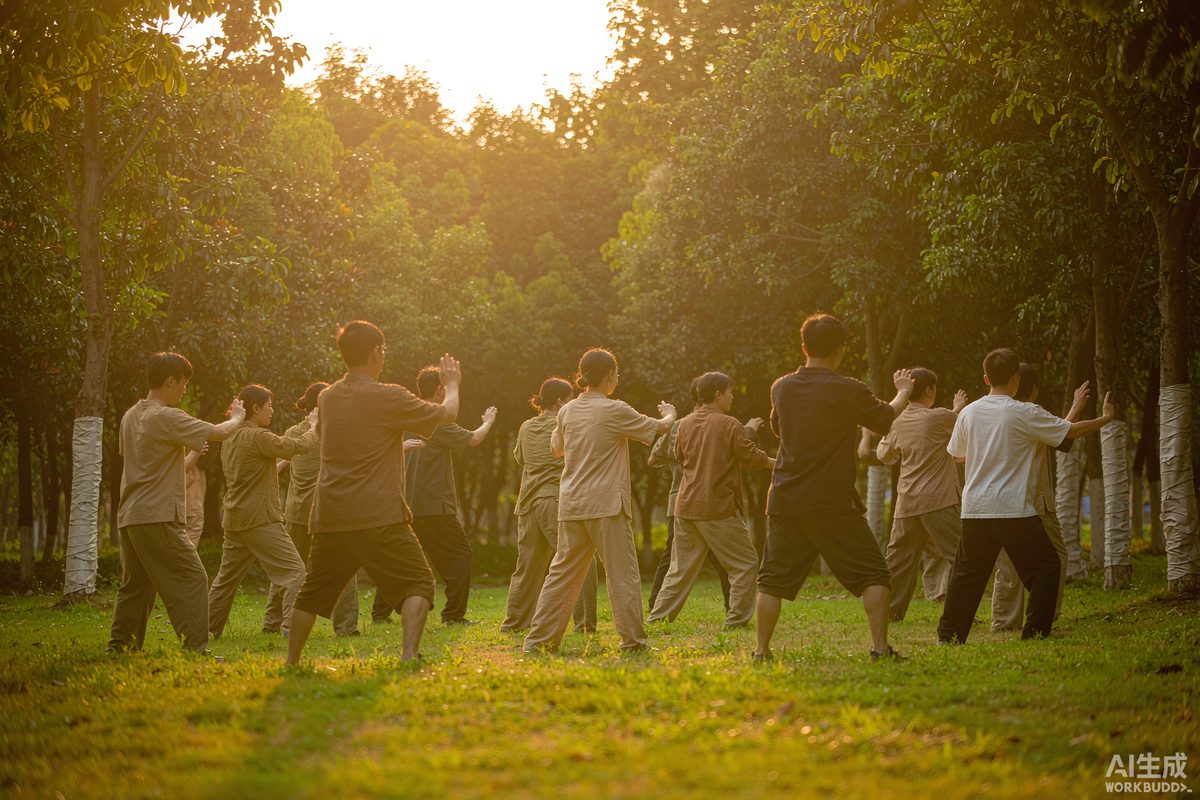
Two thousand years ago, the Yellow Emperor's Inner Canon made an observation that maps onto modern osteoporosis research with almost embarrassing precision: the Kidney governs the bones. 'The Kidney produces marrow, and marrow fills the bones. When the Kidney Qi is abundant, the bones are strong and the marrow is replete.'
Western medicine took a different road. Bone loss was framed as a calcium problem, then a hormone problem, then a remodeling problem — and each frame produced real tools: calcium supplements, HRT, bisphosphonates. But the 'just take calcium' message that dominates public health has turned out to be profoundly incomplete.
The Cochrane review on calcium supplementation found only modest effects on bone density and little evidence of fracture reduction in most populations. The bricks, it turns out, were never the bottleneck.
TCM's frame is bigger. Bone isn't built from calcium alone; it's built from Jing (精) — the deep, inherited essence stored in the Kidneys that governs growth, reproduction, and aging. Jing is the body's deepest reserve: the substance that converts raw nutrients into structural strength, the fuel that runs the aging clock. And Jing declines with age.
Suwen Chapter 1 describes the schedule with uncanny accuracy: for women, the Heavenly Gui — the essence driving reproductive and structural vitality — peaks at 28 and declines at 49. For men, the parallel decline arrives at 64. Those are exactly the age windows where Western medicine watches bone density begin its steepest slide.
So osteoporosis, in this frame, is Kidney Jing deficiency expressing itself as bone. The two frameworks don't fight — they fit together. Calcium, vitamin D, and weight-bearing exercise are the modern mechanisms; Jing is the deeper principle that ties them together — whether the body actually converts available resources into bone structure.
A woman can eat all the calcium in the world, and if her Jing is depleted — through sleep deprivation, chronic stress, overwork, poor nutrition, or simply the years passing — her bones won't get the signal to use it.
The rest of this article is the full protocol: what bones actually need, the science that confirms the TCM view, the foods and herbs that nourish Jing, the movement that tells bones to rebuild, and the lifestyle discipline that conserves what you have. Bone density after 50 isn't one thing you do. It's a way of living — and TCM has been describing that way of living for millennia.
"The Kidney governs the bones and produces marrow. When the Kidney Qi is abundant and the Jing is full, the bones are strong and the marrow is replete. When the Jing declines, the bones wither."
The Science First: Why Calcium Alone Keeps Failing Your Bones
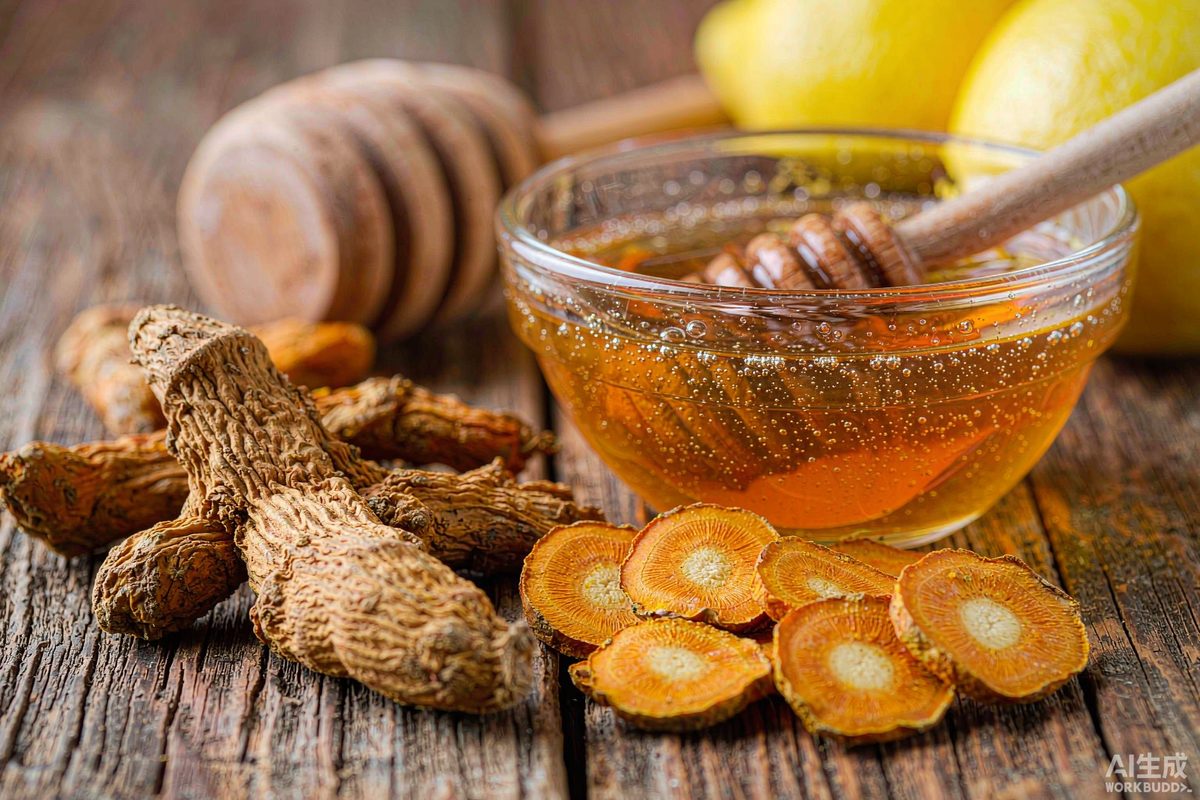
Most people picture bone as static scaffolding — like the frame of a house. You build it in youth, and aging is just slow decay. That model is wrong, and the correction explains everything about why calcium alone fails.
Bone is living tissue in constant remodeling. Osteoclast cells break down old bone; osteoblast cells lay down new bone. In your 20s and 30s, formation outpaces resorption, and density climbs. 5-1% of bone density per year. In the first 5-7 years after menopause, that loss accelerates to 2-3% per year, because estrogen — a major brake on osteoclast activity — disappears.
Here's the critical part: bone is not built from nutrients alone. It's built in response to mechanical load. That's Wolff's Law, the foundational principle of bone biology: bone adapts to the forces placed on it. Osteocytes — the bone's sensory cells — detect mechanical strain and signal osteoblasts to reinforce where strain is highest. Lift heavy things, and the skeleton gets the message: reinforce.
Sit in a chair for thirty years, and the message is the opposite: this bone isn't needed, resorb it.
That's why calcium alone fails. Calcium is the raw material — the bricks. But bricks don't build a wall unless a bricklayer is hired, and the bricklayer's contract is mechanical loading plus hormonal and metabolic signaling. The 2015 Cochrane review found only a 1-2% improvement in bone density from calcium supplementation and no significant fracture reduction in community-dwelling adults.
Sobering — and a confirmation of what TCM has said all along: supplying the nutrient without addressing the body's capacity and signaling is incomplete medicine.
Practically, three things follow. First, mechanical loading is non-negotiable — weight-bearing exercise and resistance training are the most evidence-backed bone interventions that exist. Second, the raw materials matter — calcium, vitamin D, vitamin K2, magnesium, protein — but as part of a system, not as magic bullets.
Third, the metabolic environment matters: sleep, cortisol (which directly suppresses osteoblast activity), inflammation, and gut health all decide whether raw materials become bone. Load is Yang activity. Nutrients are the substance. The metabolic environment is the Kidney's governance. The modern science doesn't replace the ancient frame — it fills in its mechanisms.
- Think of bone as a living organ, not scaffolding — it remodels constantly, and it responds to the loads you place on it. Sit all day, and your skeleton downsizes.
- Calcium is bricks; loading is the bricklayer. No amount of calcium builds bone without the mechanical and metabolic signals to use it.
- Cortisol is bone-hostile: chronic stress, poor sleep, and overtraining all raise cortisol and suppress the bone-building cells. Stress management is bone medicine.
"The Kidney generates marrow, and marrow nourishes the bones. When Jing is full, the marrow is full; when the marrow is full, the bones are strong."
Risk Check: The Factors That Matter, and What Your T-Score Actually Tells You
Osteoporosis is called the silent disease because it produces no symptoms until a bone breaks. But the risk factors are well mapped, and most are identifiable long before the first fracture.
Being female is the big one. One in two women over 50 will suffer an osteoporosis-related fracture, versus one in five men — and the estrogen drop at menopause is the single largest accelerant of bone loss in a woman's life. TCM named this transition centuries ago: the decline of the Heavenly Gui at 'seven times seven' (49), when the Kidney Jing that carried the reproductive years begins its systematic withdrawal.
Then the rest of the list, quickly: age itself — density peaks around 30 and declines; that's the Jing clock, and it's universal. Frame size — small-boned, thin women start with less bone to lose. Family history — a parent's hip fracture roughly doubles your risk.
Medications and medical conditions — the category most people overlook: glucocorticoids like prednisone are the most common drug cause of bone loss; certain anticonvulsants, long-term proton pump inhibitors, aromatase inhibitors, and GnRH agonists matter too, as do hyperthyroidism, IBD, celiac disease, rheumatoid arthritis, and type 1 diabetes.
Lifestyle — smoking directly impairs osteoblast function; heavy alcohol suppresses bone formation and raises fall risk. And the overlooked one: a sedentary history. Years of low loading leave you with a skeleton that was never fully built.
Now the numbers. A DEXA scan measures your bone mineral density against a young-adult reference and produces a T-score. -1.0 or above is normal. Between -1.0 and -2.5 is osteopenia — the warning zone, and the most important window for intervention. -2.5 or below is osteoporosis.
Here's the thing TCM adds to this picture: the T-score is a snapshot of structure, not of capacity. Two women with identical T-scores can have very different trajectories depending on their Jing reserve — their sleep, stress, nutrition, and loading habits. The scan tells you where you are. The lifestyle protocol determines where you're going.
And the FRAX score — your 10-year fracture risk, calculated from the DEXA plus clinical factors — is the number that actually guides treatment decisions. It's the number to discuss with your doctor.
- Get a baseline DEXA scan at menopause (or age 65 for men) — and repeat it in 1-2 years if you're in the osteopenia range. Early detection is the entire game.
- If you take prednisone, PPIs long-term, or aromatase inhibitors, ask your doctor about bone protection — these are the stealthiest bone thieves.
- Smoking and heavy drinking are the two lifestyle factors that both destroy bone AND increase fracture risk from falls — quitting them is dual-purpose medicine.
"At seven times seven, the Heavenly Gui is exhausted, the Ren vessel becomes empty, the Tai Chong vessel weakens, and the woman enters her decline... At eight times eight, the Kidney Qi of the man declines, his teeth loosen, and his hair falls out."
The Bone-Building Kitchen: Black Foods, Broth, and the Foods That Feed Jing
If the Kidney governs bone, then the foods that nourish the Kidney are the foods that build bone. TCM has a wonderfully simple organizing principle for this: black foods enter the Kidney. The five colors correspond to five organs — green to the Liver, red to the Heart, yellow to the Spleen, white to the Lungs, black to the Kidney.
And the color code holds up surprisingly well against modern nutrition, because the classic black foods are mineral powerhouses. Black sesame leads the list — about 975 mg of calcium per 100 grams, nearly ten times the calcium density of milk gram for gram, plus magnesium, zinc, copper, and healthy fats.
The preparation matters: grind it into paste or powder, because whole seeds pass through the gut largely undigested. A tablespoon of black sesame powder in congee or yogurt daily is the classic Kidney-nourishing habit — I recommend it to every patient over 50.
The rest of the black family: black beans (calcium, magnesium, and phytoestrogens that gently support bone through the menopausal years), black rice (anthocyanins with antioxidant and anti-inflammatory effects), black fungus (vitamin D precursors and minerals), black dates.
Then bone broth — the food that literally is bone. Simmered 12-24 hours with a splash of vinegar to draw out minerals, it delivers calcium, magnesium, phosphorus, and crucially collagen and glycine — the matrix upon which minerals crystallize. In TCM terms, bone broth is the direct food-level expression of 'the Kidney governs bone': you eat the structure to build the structure.
Then the Jing tonics with the strongest modern evidence: goji berries (Gou Qi Zi) — rich in zeaxanthin and polysaccharides with documented antioxidant and bone-protective effects; walnuts — omega-3s, magnesium, copper; oysters and shellfish — the highest dietary zinc sources, and zinc is a required cofactor for osteoblast function.
Then the menopause-specific foods: fatty fish for vitamin D and omega-3s, sardines with bones for concentrated calcium, and soy — tofu, edamame, tempeh — whose isoflavones modestly support bone density in the postmenopausal years. The effect is real but smaller than pharmaceutical estrogen; the meta-analyses say so honestly.
One more principle from the TCM kitchen: cooking method matters. Bone-building foods are best taken warm — soups, stews, congee. Slow, warming preparations that the Spleen can transform efficiently. Raw salads and cold smoothies, in TCM terms, tax the digestive fire and deliver less usable nourishment. Warm food is Kidney food.
- Black sesame powder in your morning congee or yogurt — one tablespoon daily is the classic Kidney-nourishing habit with genuine calcium credentials.
- Sardines with bones are the most efficient bone-food on the planet: calcium, vitamin D, omega-3s, and protein in one small fish.
- Slow-simmer bone broth (12+ hours with a splash of vinegar) and warm soups — TCM holds that warm, slow preparations make minerals maximally usable, and modern gut research agrees.
"The five colors each enter their own organ: green enters the Liver, red enters the Heart, yellow enters the Spleen, white enters the Lungs, and black enters the Kidney. To nourish the Kidney, eat of the black."
Four Herbs That Show Up in Bone Research: Du Zhong, Shu Di Huang, Gou Qi Zi, Gu Sui Bu
The Shen Nong's Herbal Classic, the oldest pharmacopeia in Chinese medicine (compiled around the first century CE), sorts every herb into three grades. The top grade is reserved for herbs that 'nourish life and strengthen the constitution when taken long-term' — and the bone-nourishing herbs of the Kidney category sit squarely there. They were never understood as acute treatments.
They're longevity medicine: taken over years, they build the substance of the body.
Du Zhong (Eucommia bark) is the flagship. ' Modern pharmacology has been remarkably confirming: a 2016 review of Eucommia research found its compounds (including geniposidic acid and aucubin) promote osteoblast proliferation and differentiation, inhibit osteoclast activity, and improve bone density in animal models of osteoporosis.
It's also the classic herb for the lower back — the anatomical home of the Kidney in TCM. Typically 9-15 g per day in decoction, often paired with Xu Duan — the classic bone-and-ligament tonic duo.
Shu Di Huang (prepared Rehmannia) is the premier Jing-tonifying herb — the deep, dark, sticky root that replenishes the Kidney's stored essence. It anchors the great bone-building formulas like Zuo Gui Wan and Liu Wei Di Huang Wan, used for centuries for what we'd now call age-related bone loss.
Modern research shows prepared Rehmannia extracts modulating bone remodeling and increasing bone volume in ovariectomized — post-menopausal model — animals.
Gou Qi Zi (goji berry) is the gentlest and most versatile: a food-herb that nourishes both Liver and Kidney Jing, supports the marrow, and protects the eyes. You can simply eat a handful daily. It's the rare herb that's also a snack.
Gu Sui Bu (Drynaria — literally 'bone-broken-repair') is the traumatology specialist, the herb that knits broken bone. Used for fractures and chronic bone weakness; research confirms it accelerates fracture healing and supports osteoblast activity.
How to use them responsibly: these are long-term constitutional medicines, not acute fixes. The traditional pattern is 2-3 months on, with practitioner oversight, as part of a formula tailored to your pattern — Kidney Yin versus Kidney Yang deficiency. The evidence is directionally positive, but herbs are the middle layer of the foundation: they nourish the Jing that foods supply and that loading activates.
And the safety note that matters: herbs are medicine. Du Zhong and Shu Di Huang are generally safe under guidance, but formulas must be individualized — the formula that nourishes one person's Jing can clog another's digestion. Work with a licensed practitioner, especially if you take pharmaceuticals. Herb-drug interactions are real.
- The flagship trio: Du Zhong + Xu Duan for bones and ligaments, Shu Di Huang for deep Jing replenishment, Gou Qi Zi as the daily edible tonic.
- Goji berries are the entry-level Jing food — a handful daily in tea, congee, or as a snack is safe and traditional.
- Herbs for bone are long-term constitutional medicine: plan 2-3 month cycles with a licensed TCM practitioner rather than self-prescribing single herbs.
"Du Zhong treats pain of the lower back and spine, supplements the center, benefits the essential Qi, and strengthens the sinews and bones. Taken long-term, it lightens the body and extends the years."
The Movement Prescription: Load Your Bones or Lose Them
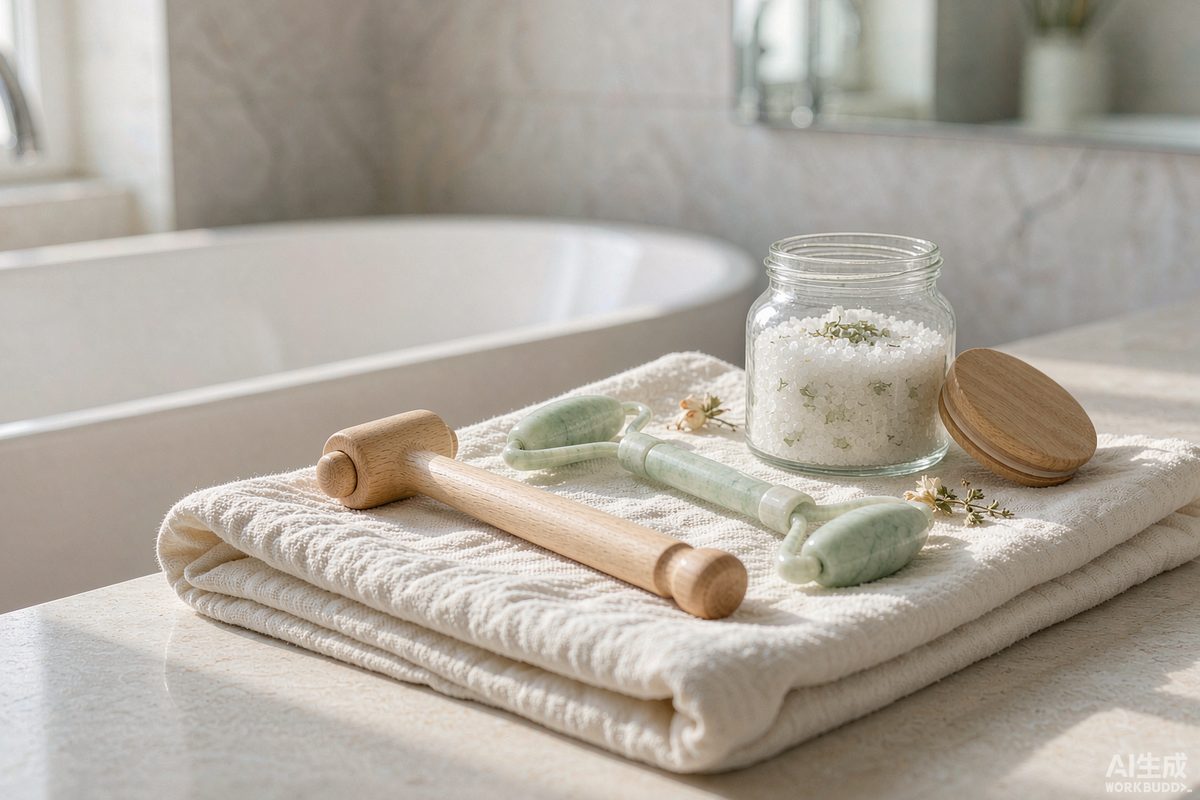
If there's one intervention in this article that's non-negotiable, it's this one. Bones rebuild in response to load — Wolff's Law isn't a suggestion, it's a physiological requirement. No food, herb, or supplement substitutes for the mechanical signal that tells your skeleton to stay. The good news: the movement that builds bone is accessible, and you don't need a gym membership to start.
What the evidence says: a 2015 meta-analysis of exercise in postmenopausal women found that progressive resistance training combined with weight-bearing activity produced meaningful increases in lumbar spine and hip bone density — the two sites that matter most for fracture risk.
The mechanism: when muscles pull on bones and gravity compresses them, osteocytes sense the strain and signal osteoblasts to reinforce the loaded regions. And the stimulus must be progressive — bones adapt to what you give them, so the load has to increase over time to keep producing a response.
The prescription has three layers. Layer one: weight-bearing daily activity. Walking is the baseline — 30-45 minutes daily — but with a nuance most people miss: plain walking maintains bone but builds little of it, because the load is modest. What makes walking bone-building: add hills, stairs, a weighted vest, or rucking — walking with a loaded backpack.
Added load turns a maintenance activity into a building activity.
Layer two: resistance training, two to three times per week. This is the highest-yield bone intervention available at home: squats, lunges, hip hinges, rows, presses, carries — with resistance bands, dumbbells, or bodyweight progressing to added load. Target the loaded sites: spine (squats, deadlifts, carries) and hips (lunges, step-ups, hip thrusts). Start light, perfect the form, progress the resistance.
A set of resistance bands is genuinely enough to begin — which is why it's my first equipment recommendation.
Layer three: the TCM movement arts — qigong and tai chi. They earn their place in a bone protocol for two reasons. First, they're weight-bearing and load the lower body continuously through slow, controlled transitions — the tai chi research shows modest but real improvements in bone density, especially in spine and hip. Second, and just as important: they prevent the fracture that matters.
Falls are the event that converts low bone density into a broken hip, and tai chi is the most evidence-backed fall-prevention exercise in existence — it trains balance, proprioception, and the protective step reflex. The trials are striking: tai chi practitioners fall 40-50% less than non-practitioners.
From the TCM view, these arts do something deeper: they move Qi and Blood continuously — when the body moves, the Qi moves, and the Qi moving nourishes everything — and they train the Kidney's partner organ, the Liver, which governs the sinews that hold the frame together.
The full prescription: daily walking with added load where possible, 2-3 weekly resistance sessions, and tai chi or qigong 2-4 times weekly for balance and fall prevention. Start where you are, progress slowly, and let your bones know every single week that they're needed.
- Progressive load is the secret: bones adapt to what you give them. Add hills, stairs, or a weighted vest to walks; increase band resistance as exercises get easy.
- The three-layer protocol: daily loaded walking + 2-3 weekly resistance sessions (squats, lunges, rows) + tai chi or qigong for balance and fall prevention.
- Falls convert low density into fractures — balance training (tai chi, single-leg stands) is as bone-relevant as lifting, because it prevents the event that breaks the bone.
"Flowing water never stagnates; a moving door hinge never rusts. The body likewise — when it moves, the Qi moves; when the Qi moves, the Blood moves; when the Blood moves, the bones are nourished and renewed."
The Conservation Protocol: Sleep, Stress, Sunlight, and the Discipline of Not Wasting Jing
Here's the TCM principle that ties everything together: conservation. The Kidney stores Jing, and Jing is a finite reserve — you can nourish it, and you can waste it. The lifestyle protocol is the discipline of not wasting it.
First: sleep. This isn't soft advice — it's bone physiology. Growth hormone, a primary driver of bone formation, is released predominantly in deep sleep. Cortisol, the bone-suppressing stress hormone, follows a circadian rhythm that sleep disruption scrambles.
The observational data is consistent: short and fragmented sleep associates with lower bone density, and chronic sleep restriction is a documented osteoporosis risk factor. TCM's frame says the same thing: the deepest restoration of Jing happens in sleep, particularly before midnight — the hours of Yin restoration. Seven to eight hours, regular timing, dark quiet room: that's bone medicine.
Second: stress management. Chronic stress is a direct bone antagonist — cortisol suppresses osteoblast activity, increases resorption, and impairs calcium absorption. The mechanism is evolutionary: a stressed body prioritizes survival over structure, and bone is the body's savings account — spent first in an emergency. TCM describes this as overthinking damaging the Spleen and chronic strain exhausting the Kidney.
The practices — breathing, meditation, qigong, time in nature — belong in the bone protocol, not in the optional wellness column.
Third: sunlight. Vitamin D is the calcium-absorption signal, and the cleanest source is skin exposure — 10-20 minutes of midday sun on bare arms and face most days, adjusted for skin type and latitude. This is the modern mechanism behind the ancient practice of morning sun for health: the Yang Qi of the sun nourishes the Kidney Yang, and biochemically it manufactures the hormone that puts calcium into bone.
Where sun is insufficient — northern winters, indoor jobs, darker skin — supplement vitamin D3, ideally with K2, which directs calcium into bone rather than arteries.
Fourth: moderation. Tobacco is unambiguous — it directly impairs osteoblast function and accelerates bone loss; quitting is one of the highest-yield bone interventions available. Alcohol: heavy drinking suppresses bone formation and multiplies fall risk. Caffeine and salt: both increase urinary calcium loss; keep coffee reasonable and salt moderate.
And fifth, the deeper discipline: knowing your limits. The person who never rests, who works through illness, who burns the candle at both ends, is spending Jing faster than any food or herb can replenish it. Protect the root, and the branches will flourish — that principle applies to bones exactly as it applies to everything else in TCM.
- Deep sleep is bone-building time — growth hormone is released in slow-wave sleep and cortisol falls. Prioritize 7-8 hours with regular timing as part of your bone protocol.
- Sunlight is the calcium signal: 10-20 minutes of midday sun on bare arms and face most days; supplement D3+K2 when sun is insufficient (northern winters, indoor lifestyles).
- Quit smoking — it's the single highest-yield lifestyle intervention for bone — and keep alcohol modest: heavy drinking suppresses bone formation AND multiplies fall risk.
"Those who are skilled in nourishing life attend to the disease before it manifests, and to disorder before it erupts. They preserve their Jing, regulate their Qi, and let their spirit dwell in peace."
The Honest Integration: DEXA Numbers, Medication, and the Conversation You Should Be Having
Let's be clear about what this article is and isn't. It's a prevention and lifestyle framework — the TCM Kidney approach to keeping bones strong. It is not a substitute for medical treatment, and for many people the lifestyle protocol alone won't be enough.
The mature approach — the one I recommend to every patient — is integrative: use the TCM framework for what it's good at (nourishment, movement, conservation), and use conventional medicine for what it's good at (measurement, and medication when the numbers demand it).
The medical side has three components. First, measurement: the DEXA scan. A baseline at menopause (or 65 for men), repeated at intervals set by your T-score, gives you the objective numbers that drive decisions. The FRAX score — your 10-year risk of major osteoporotic fracture — is the number your doctor will actually use, and it's the number you should know.
Second, medication when appropriate. 5 or below, or osteopenia plus high FRAX risk, or a history of fragility fracture. The major classes: bisphosphonates like alendronate (they slow resorption), denosumab (a monoclonal antibody against the resorption signal), and for the immediate postmenopausal window, estrogen-based therapy where appropriate.
These work — they reduce fracture risk by 30-50% in high-risk patients — and they're not something to fear reflexively. The TCM frame actually supports the decision: when the Jing reserve is so depleted that lifestyle alone can't reverse the trend, medication is a legitimate tool to buy time and prevent the fracture that would otherwise define the next decade.
Third, the conversation. The integrative approach works when the two traditions communicate. Tell your TCM practitioner about your DEXA results and any medications — bisphosphonates change the calculus for certain herbs, and some formulas affect absorption.
Tell your doctor about your herbs and supplements — vitamin K2 interacts with warfarin in ways that must be monitored, and high-dose herbal formulas deserve review.
The practical integration: your DEXA and FRAX numbers set the treatment floor — what's medically necessary. Your TCM protocol builds the ceiling — everything you can do beyond the floor to maximize bone health. And the two meet in an honest conversation about risk, monitoring, and follow-up.
One more piece: retesting. If you're in the osteopenia zone and doing the full protocol — Kidney foods, herbs under guidance, progressive loading, sleep discipline — a follow-up DEXA in 1-2 years tells you whether your Jing-nourishing program is translating into structure. If density holds or improves, you've found your protocol.
If it's still falling, that's information — and the signal to escalate the medication conversation with your doctor.
The goal is never to be frightened by the numbers. It's to use them as the steering wheel. The TCM framework and the DEXA scan aren't competitors — they're two instruments playing the same piece of music. The music is a long, strong, unbroken skeleton.
- Know your numbers: T-score, FRAX 10-year fracture risk, and your vitamin D level. Bring them to both your doctor AND your TCM practitioner.
- Bisphosphonates and denosumab reduce fracture risk by 30-50% in high-risk patients — when your FRAX says high risk, medication is prevention, not failure.
- Tell both practitioners about the other's treatments: vitamin K2 interacts with warfarin, and herbal formulas can affect medication absorption — transparency is part of the protocol.
"The physician supplies the method, but the patient supplies the years. When physician and patient work as one — measuring the root, nourishing the reserve, and treating before the disease is born — the bones remain strong into old age."