Your Digestion Runs on a Clock, and by 7 PM It's Mostly Off Duty
Chinese medicine has a strange idea that keeps checking out in the clinic: your digestive system runs on a schedule. The Spleen, the organ charged with turning food into Qi and Blood, doesn't work at full strength all day. Its power rises in the morning, holds at midday, then slides downhill through the afternoon until, by evening, it's barely idling. The classical texts say it plainly.
Sun Simiao, the great Tang physician, told patients to eat before sunset and keep supper small, because the digestive fire burns lowest at night.
This isn't metaphor. It's the working assumption behind the TCM eating schedule, refined over two millennia of practice. The mechanism is simple: transformation is Yang work, and Yang needs warmth and movement. In the morning the fire is high, so food becomes usable energy. By evening, Yang is descending and the body is shifting toward rest.
Feed a dying fire and the fuel doesn't burn; it smolders into Dampness, the TCM name for unprocessed residue, and eventually into fat.
That's why two people can eat the identical meal at different hours and get different bodies. Rice and chicken at noon becomes energy. The same plate at 9 PM is far more likely to end up stored. The food isn't the variable. The hour is, and that single idea, that digestion has a schedule, is the foundation for everything in this article.
- Test the clock yourself for one week: eat your largest meal at noon and a small dinner by 6:30 PM, and notice your energy, digestion, and sleep. Most people feel the difference within days.
- The Spleen's power hours are 7 to 11 AM. A nourishing breakfast in that window is not optional — it is the main event of your digestive day.
- If you are not hungry in the morning, that is a sign your evening eating has desynchronized your clock. Shift food earlier and the morning appetite returns.
"The Stomach and Spleen govern the hours of the morning; as the day descends, so does the power of transformation. Eat when the fire is high, and lightly when it is low."
The Power Window: Why 7 to 11 AM Is When Your Body Really Transforms Food
TCM's organ clock (zi wu liu zhu) gives each organ a two-hour window of peak function across the day. Digestion owns the morning. From 7 to 9 AM the Stomach is at its best, receiving and breaking down food with maximum efficiency. From 9 to 11 AM the Spleen takes over, converting that food into Qi and Blood and shipping it out to the body.
Together those hours are the digestive power zone, and they're the classical justification for the old proverb: breakfast like a king.
The flip side is what most people never hear. The evening has no power window at all. The Stomach and Spleen hours are morning hours, full stop. So a heavy dinner at 8 PM asks your digestive system to do its hardest work at the time it has the least capacity. That feels wrong to the body in ways you can't argue with: sluggishness, bloating, sleep that doesn't restore.
Sun Simiao wrote in Prescriptions Worth a Thousand Gold that the evening meal should be light and taken before nightfall, and the tradition held for centuries that the last substantial meal of the day belongs to the afternoon.
Here's the practical map I give patients. Big breakfast in the 7-9 window. Let the Spleen do its work through mid-morning without snacking on top of it. Solid lunch around noon to early afternoon. Then the digestive day is done. Eat with the clock and the food works for you; eat against it and you're fighting your own digestion.
- Time your breakfast to land inside the 7-9 AM Stomach window when possible — the meal eaten there is digested with maximum efficiency.
- Make 9-11 AM your protected 'no coffee, no constant snacking' zone: let the Spleen finish transforming breakfast before you add new input.
- If your schedule forces a late lunch, keep it the largest meal of the day and shrink dinner accordingly — the clock rewards a big midday window.
"The Stomach receives at the hour of the Tiger's end and the Spleen transforms at the hour of the Dragon; by the hour of the Dog, the kitchen fire is banked and the body turns to rest."
What Actually Happens to the Food You Eat at 9 PM
Follow the food and you'll see the whole mechanism. At noon the Spleen is strong. It takes the meal, transforms it, and the body burns it as fuel, for work, warmth, repair, thinking. At 9 PM the Spleen is weak, Yang is descending, and the furnace is nearly out. Food that arrives at this hour doesn't get transformed. It gets parked.
The Spleen, unable to finish the conversion, stores the unprocessed material as Dampness, the heavy, sticky byproduct of incomplete transformation. Dampness pools in the middle of the body, slows everything down, and over time congeals into fat. '
If you're a night eater, you already know the symptoms. Morning puffiness. A heavy, foggy head. Thick coating on the tongue. Sluggish digestion, weight that clusters in the belly no matter how modest your total intake. There's a second cost too: the late meal steals sleep.
A stomach still processing at midnight keeps the body out of deep restorative states, which is why night eaters wake unrefreshed, and unrefreshed sleep drives more evening eating. It's a loop, and the way out isn't a smaller late dinner. It's moving the food to the hours when the fire is high.
- The morning tongue is the night eater's report card: a thick coating after late meals thins within days of shifting dinner earlier — your proof the transformation is working again.
- If you wake puffy with a heavy head, that is last night's Dampness, not a mystery allergy. Shift the eating window and the puffiness follows.
- Do not compensate with a tiny breakfast after a late dinner — that starves the morning power window and makes the evening binge more likely. Feed the morning; shrink the evening.
"When the Spleen is strong, food becomes Qi and the body is light; when the Spleen is weary and the hour is late, food becomes Dampness and the body grows heavy."
The Science Agrees: Later Meals, Worse Metabolism
What makes the Spleen clock remarkable is that modern research has circled around to the same conclusion from a completely different direction. Chrononutrition, the study of how meal timing interacts with circadian rhythms, has been strikingly consistent over the past decade: later meals are linked to higher body fat, worse glucose control, and poorer sleep, independent of total calories.
The 2018 systematic review on late meal timing found adverse metabolic outcomes associated with eating later in the day. A controlled trial in 2017 gave people identical calories and identical food, just at different hours, and the late dinner group had worse glucose tolerance the next morning. Same food, same person, worse outcome. The physiology explains why.
Insulin sensitivity peaks early in the day and drops sharply by evening. The heat your body generates from food, diet-induced thermogenesis, is lower at night. Gut motility and enzyme activity follow a daily rhythm. Your body is, in a literal sense, built to process food in the morning and store it at night.
I find the convergence striking. A tradition that told patients for two thousand years to eat before sunset, and a research program that spent the last decade proving meal timing matters metabolically, arrived at the same practical conclusion. It's not just what you eat. It's when.
And for the person who can't lose weight, moving the eating window earlier is often the single most effective change available, with zero calorie restriction required.
- Know the research headline: later meals mean worse glucose handling and more fat storage, calorie-for-calorie. The hour is a metabolic variable.
- Insulin sensitivity peaks in the morning — which is why a large breakfast and small dinner outperform the reverse even at equal calories.
- Use the science to make the change a fact, not a punishment: you are not restricting food, you are rescheduling it into your body's high-capacity hours.
"The body is a clock within the great clock of the day; food taken in harmony with the hours is transformed, and food taken against them is stored."
The 7 PM Rule: How to Actually Pull It Off
The 7 PM rule is the Spleen clock distilled into one line you can actually follow: finish your last real meal by 7, and nothing but warm liquids after that. It's not a fast and it's not a punishment. It's a rescheduling of food into the hours where your body can transform it. Here's how to make it stick without white-knuckling.
First, move the center of gravity of your day. Make lunch your biggest meal, the next section covers the full structure, so that by evening you're genuinely satisfied and 7 PM isn't a hunger strike. Second, anchor dinner to a time, not to hunger. Eat between 5:30 and 6:30, early enough that the cutoff is a gentle finish instead of a cliff. Third, make the cutoff visible. Set a timer for 6:50.
Brush your teeth right after dinner. The toothbrush is the single most effective signal I know; the mint freshness is the brain's 'no more food' cue, and it makes a late snack feel physically wrong.
Fourth, plan for the 7 to 10 stretch, because that's where the habit actually lives. Herbal tea, a warm bath, an earlier bedtime. The rule works because it replaces a vague intention, 'I should eat less at night,' with a precise schedule, 'kitchen closes at 7.' Brains follow schedules far more reliably than intentions.
Expect the first three to five days to be awkward. Your body, used to the 9 PM meal, will send hunger signals at the old hour. They fade within a week as the clock resets, and they fade faster if the morning and midday meals are full size, so total intake never drops. That's the honest promise here: you're not eating less. You're eating earlier, and the earlier hours can handle it.
- Anchor the cutoff to a concrete event — 'I brush my teeth at 7 PM' — not to a time on a clock. Events are remembered; times are negotiated.
- Plan the 7-10 PM stretch in advance: tea, bath, book, early bed. The evening is not a void to be filled by the fridge; it is a wind-down to be scheduled.
- If dinner has to be late on a given night, keep it light and warm — soup or congee — and accept that it will store more than a noon meal would. One late night is noise; the pattern is the signal.
"After the seventh hour, the kitchen is closed and the body turns from transformation to restoration; the wise patient eats with the sun and rests with the moon."
Flip Your Day: Big Breakfast, Bigger Lunch, Small Dinner
The Spleen clock implies a daily structure that inverts the standard American eating pattern, and the inversion is the point. The old proverb says it exactly: breakfast like a king, lunch like a prince, dinner like a pauper. Most of us run the reverse. Coffee and a muffin in the morning, a hurried sandwich at noon, and the heaviest meal of the day at 8 or 9 PM, landing in the weakest digestive window.
That's the pattern that maximizes storage.
The restructure starts with breakfast in the 7 to 9 Stomach window, substantial and warm: eggs, congee or oatmeal with ginger and dates, some protein. This isn't optional fuel. It's the main transformation event of the day, eaten when the fire is highest, and it sets glucose handling and appetite regulation for the next sixteen hours.
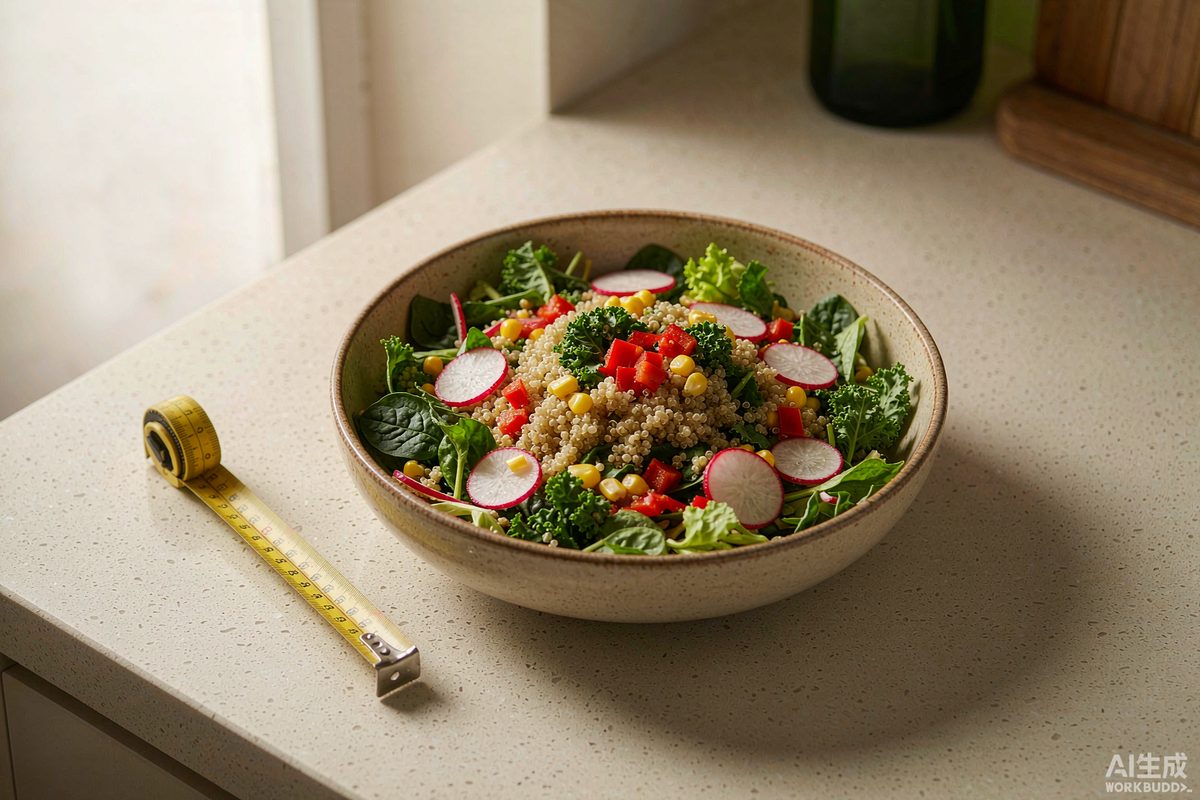
Lunch becomes the largest meal, eaten between 12 and 2, still well inside the day's digestive power. A full plate of protein, vegetables, and a good grain. This is what the meal-prep containers in the product list are for, a big prepped lunch that makes the whole day work. Dinner becomes the pauper's meal: light, early, simple. Warm soup, a small portion of protein, cooked vegetables, maybe congee.
Small enough to transform even at the day's end, early enough to clear the 7 PM line.
Total intake doesn't need to change at all. Same food, redistributed, the bulk moved into the high-capacity hours and the evening left light. Patients who make this one structural change report the same thing my 9 PM dinner patient did: weight starts to move, digestion improves, morning energy returns, sleep deepens. The body is finally digesting on its own schedule.
- Start the restructure with lunch: making lunch the largest meal is the highest-leverage single change, because it automatically shrinks dinner.
- Prep lunch in bulk (the glass containers): a large, ready, nourishing midday meal removes the 'I'll just eat a big dinner instead' failure mode.
- If you cannot stomach a big breakfast at first, build up gradually — the morning appetite returns within two weeks once evening eating shrinks.
"The morning meal is the foundation of the day, the midday meal its pillar, and the evening meal its light cap — for the fire burns highest at dawn and banks at dusk."
Hungry After 7 PM? Here's the Plan
The cutoff will collide with genuine evening hunger, especially in the first weeks, and the answer is not to white-knuckle through it. I use a four-tier ladder, and you work down it as needed.
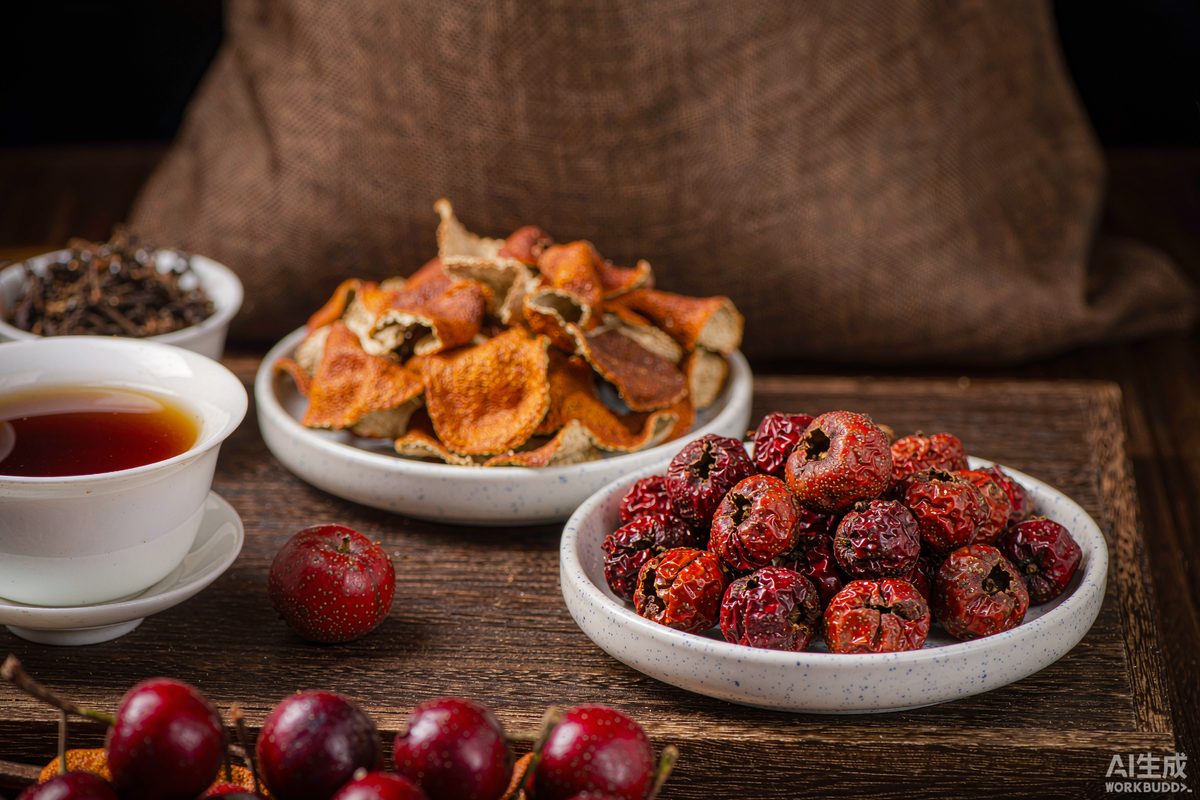
Tier one: warm liquid. Chamomile, rose tea, hot water with lemon, or a cup of warm bone broth. Warm liquid fills the stomach, soothes the Spleen, which prefers warmth, and occupies the ritual space the snack used to fill. The ritual matters as much as the liquid: kettle, mug, slow sips. Tier two: the toothbrush. If hunger survives the tea, brush your teeth.
The mint signal is the brain's official 'eating window closed' cue, and it reliably kills the craving within minutes.
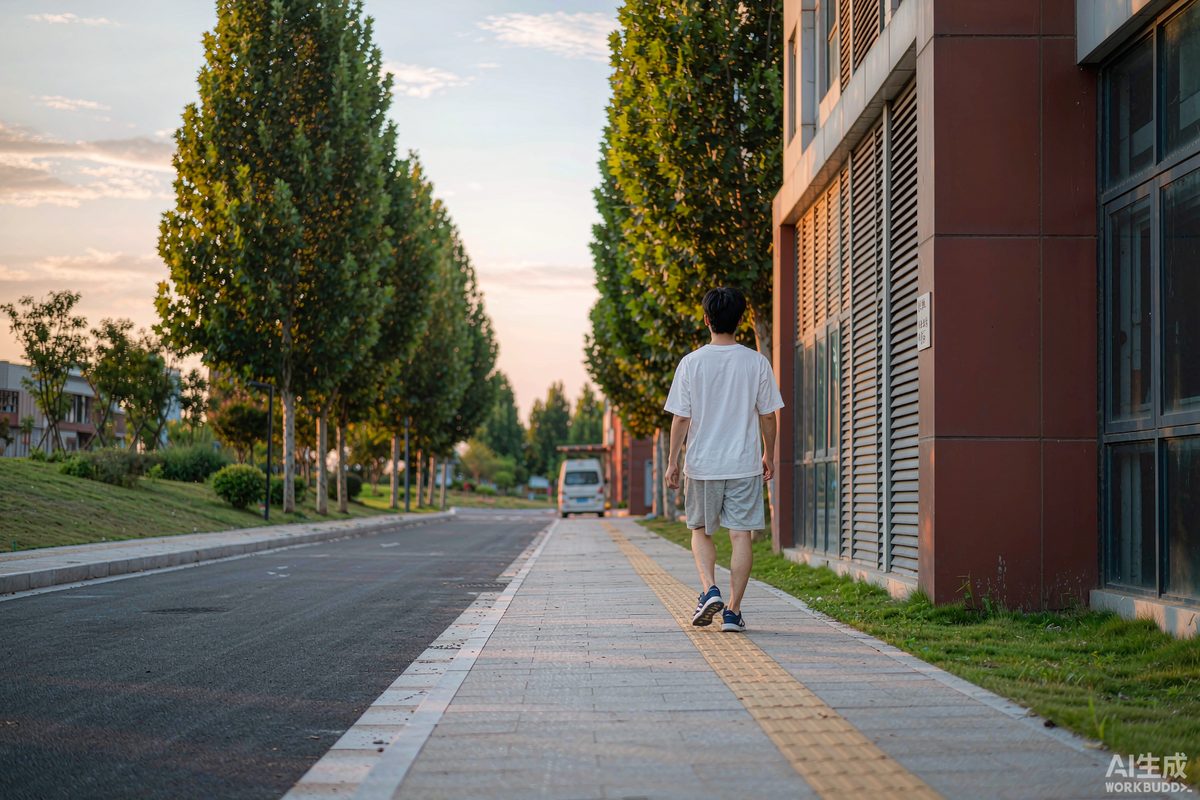
Tier three: the distraction ladder. Evening hunger is often boredom, stress, or habit wearing hunger's clothes. Move. A short walk, ten minutes of stretching, or the evening acupressure, SP-6 and ST-36 are the classic points here. If you're genuinely physically hungry, empty stomach, growling, can't sleep, tier four applies: eat something small, warm, and Spleen-friendly, without guilt.
A small bowl of warm congee, a cup of bone broth, a few warm cooked vegetables. A warm snack at 9 PM is metabolically far better than a cold sweet one, and far better than lying awake hungry, which drives a bigger binge tomorrow.
The deeper fix is structural. Evening hunger is mostly a symptom of an underfed day. When breakfast and lunch are full and warm, the body stops asking for fuel at night. That's the honest answer: not a bigger snack, but a better morning. The tiers are the bridge; the restructured day is the destination.
- Keep a designated 'evening mug' — a special cup you only use after 7 PM for tea. The ritual object strengthens the ritual behavior.
- Bone broth is the ideal Tier-one-plus solution: warm, savory, filling, and genuinely nourishing without being a meal.
- When evening hunger hits, ask the three questions: Am I thirsty? Am I tired? Am I stressed? Answer the real one, and the 'hunger' usually dissolves.
"When the stomach asks for food at an unseasonable hour, first ask what it truly wants: warmth, rest, or the release of a held breath — and give it that."
Shift Workers, Night Owls, and Everyone the Clock Doesn't Fit
The Spleen clock assumes a day-active life, and not everyone has one. Shift workers, night owls, new parents, people whose jobs or bodies run on different hours all need an adapted version. The principle isn't 'eat before 7 PM or fail.' It's: eat inside your own body's high-capacity window, and keep the late window light.
For shift workers, define your own day. If you work nights and sleep days, your power window is the period after you wake, roughly the first six to eight waking hours. Make the first meal after waking your largest, eat a solid meal mid-shift, and taper food in the final hours before sleep, ending with something light two to three hours before bed.
Warm food and warm liquids matter even more for you, because circadian disruption already taxes digestion.
For night owls, the honest truth is that 'night owl' is often a self-reinforcing loop. Evening eating keeps you up, staying up keeps you eating. The pattern can shift gradually: dinner 15 minutes earlier every few days, the last snack swapped for a warm drink, and the morning appetite slowly rebuilds. You don't have to become a 5 AM riser overnight.
For new parents and caregivers, the schedule belongs to someone else. The strategy is defense: keep one solid, warm meal inside your own high-capacity window, often your child's nap time, and keep the late hours to warm liquids and small warm snacks. Perfection isn't available, and that's fine.
The rule that survives every schedule is the same one: heavy eating in your first waking hours, light eating in your last, and the hours before sleep belong to warm liquids and rest. Your clock may run on a different phase, but it still runs, and the food still follows the fire.
- Shift workers: anchor the largest meal to your wake-up time, not to the wall clock. Your 'morning' is whenever you rise.
- Night owls: move dinner earlier in 15-minute steps over two weeks — sudden jumps fail; gradual shifts stick.
- Anyone with an irregular schedule: protect the rule that the last food before sleep is light and warm, and at least two hours before bed. That single rule survives every schedule.
"The clock of the body follows the sun of one's own life; those who labor by night must set their table by their own dawn, and keep the hours before rest light."