What Is Moxibustion, Anyway? A 3,000-Year-Old Therapy Most People Have Never Tried
Everyone knows acupuncture. Far fewer people know that Chinese medicine has a second pillar built on fire, and it's arguably older: moxibustion, the practice of burning dried, processed mugwort (Artemisia argyi — Ai Ye in Chinese) near specific points on the body to deliver therapeutic heat.
The name comes from the Japanese 'mogusa,' meaning burning herb. The practice itself predates acupuncture needles by centuries. Silk manuscripts unearthed from the Mawangdui Han tombs (168 BCE) describe moxibustion as a standalone medical system, not a footnote to needling.
The Yellow Emperor's Inner Canon, compiled around 200 BCE, devotes whole chapters to the technique: how to roll the moxa wool, how far to hold the burning cone from the skin, which conditions respond and which don't.
In classical Chinese medicine, moxa was the treatment of first resort for Cold and Deficiency patterns — which happen to be the two root patterns behind most chronic joint pain.
Why mugwort? It's not a random choice. Artemisia argyi burns slowly and evenly at roughly 500-600°C at the tip — hot enough to generate therapeutic far-infrared radiation, cool enough to hold safely near skin. Its volatile oils (cineole, thujone, borneol, camphor) aerosolize during combustion and absorb through the skin, adding anti-inflammatory and analgesic effects that have nothing to do with heat.
And unlike most combusted plant material, it burns with remarkable consistency — no flare-ups, no temperature spikes. That predictability is what made centuries of precise clinical use possible.
- Moxa wool is graded by purity — gold-grade moxa (the finest, made from young mugwort leaves) burns hotter and more evenly than coarse-grade moxa. Beginners should start with moderate-grade moxa sticks, which are easier to control.
- The smell is distinctive and lingers — some clinics use air purifiers. At home, open windows and use a fan. If you're sensitive, smokeless moxa sticks (charcoal-processed) are available.
- Moxibustion is not acupuncture without needles — it's an independent modality with its own clinical indications, contraindications, and therapeutic mechanisms.
"When the condition is not suitable for acupuncture, moxibustion is appropriate. When the condition has sunk deep and neither acupuncture nor moxibustion can reach it, then herbal medicine must be used."
The Five Kinds of Moxa — and Which One You Actually Need

Walk into any TCM supply shop and you'll face a wall of options: cones, sticks, boxes, rice-grain-sized pellets, smokeless charcoal rolls, needle caps that look like miniature cigars. It's overwhelming, so here's a practical map.
Direct moxibustion. A small cone — rice grain to soybean sized — sits directly on the skin at a point and is lit. The practitioner removes it the instant the patient feels heat, before any burn. It's the most precise and potent form, delivering intense thermal stimulation to a single point. Use for localized pain: one arthritic finger joint, a trigger point.
There's also scarring moxa, where the cone burns down to the skin and leaves a deliberate mark — that's a specialized clinic practice, not a home one, and I'd steer anyone away from trying it.
Indirect moxibustion. A slice of ginger, garlic, salt, or aconite cake sits between the moxa and the skin. Ginger-partition moxa is the go-to for joint pain — the fresh ginger conducts heat while adding its own warming, dispersing action. It's gentler than direct moxa and covers more area. Classic uses: the navel (CV-8) for digestive cold patterns, or over the knee for generalized arthritis.
Moxa stick — the cigar method. A compressed stick of moxa wool is lit at one end and held 1-2 inches from the skin, moving in small circles or a rhythmic 'sparrow-pecking' motion. This is what you'll use 90% of the time at home. It's forgiving — pull away an inch and the heat drops instantly.
Moxa box. A wooden or bamboo box with a metal mesh bottom holds a smoldering stick above the skin while you read, watch TV, or nap. Even, hands-free heat for 20-30 minutes over a knee, lower back, or abdomen. The winner for large joint areas.
Needle-top moxibustion. A small cylinder of moxa sits on the handle of an inserted needle and is lit; the heat travels down the metal shaft straight into the point. Needle plus heat, and the combination is genuinely more than the sum. Practitioner-only — not a home technique.
- Beginners: start with a moxa stick. It's the most forgiving — you can move it away instantly if it gets too hot.
- For knee arthritis: moxa box is the winner. Place it over the knee while sitting or lying down and let it work for 20 minutes.
- For single-point pain (e.g., one sore knuckle): buy pre-rolled moxa cones and try indirect ginger moxibustion with practitioner guidance first.
"Moxa cones come in three sizes: large as a silkworm cocoon, medium as a soybean, small as a grain of rice. The smaller the cone, the more focused the heat — the larger the cone, the broader the warming effect."
Six Acupoints for Joint Pain: Where to Put the Heat
Acupoint selection follows the same meridian logic as acupuncture, with one twist: moxa is Yang in nature, so it favors points that respond to warming. These six are the ones I use most for joint pain.
Stomach-36 (Zusanli, 'Leg Three Miles'). Four finger-widths below the kneecap, one finger-width outside the tibial crest. You'll feel a small depression — that's it.
In my view this is the single most important point on the body for joint health: it tonifies Qi and Blood, strengthens the Spleen and Stomach, and has serious analgesic credentials — one study measured endogenous opioid release within 15 minutes of moxa at ST36.
Gallbladder-34 (Yanglingquan, 'Yang Mound Spring'). In the depression just in front of and below the fibular head — the bony knob on the outside of your leg below the knee. Flex the knee to find it. It's the master point for sinews and tendons, which makes it essential for stiffness, ligament laxity, and tendon inflammation.
Kidney-3 (Taixi, 'Supreme Stream'). In the depression between the inner ankle bone and the Achilles tendon. It tonifies Kidney Yang and essence — the constitutional fuel that governs bones, joints, and the lower back. Essential for knee pain that worsens in winter and for osteoarthritis with a cold, aching quality.
Large Intestine-4 (Hegu, 'Joining Valley'). On the back of the hand, in the web between thumb and index finger, at the high point of the muscle when the thumb presses in. It's the classic analgesic point for the upper body — wrist pain, elbow arthritis, shoulder stiffness — and the Large Intestine channel runs straight through the arm, so heat here travels up.
Spleen-6 (Sanyinjiao, 'Three Yin Intersection'). Four finger-widths above the inner ankle bone, just behind the tibia. It's where the Spleen, Liver, and Kidney channels meet — moxa here hits muscle, sinew, and bone at once. A genuinely broad-spectrum joint point.
Stomach-35 (Dubi, 'Calf's Nose'). In the depression just below the kneecap, beside the patellar ligament — flex the knee and it looks like a calf's nostril, hence the name. It's one of the Eyes of the Knee points and the most locally targeted point for knee osteoarthritis there is.
- For knee pain: prioritize ST36 + GB34 + ST35. Apply moxa in that order — ST36 first to build Qi and Blood, then GB34 to guide it to sinews, then ST35 locally.
- For generalized arthritis: add SP6 and KD3. These two points address the constitutional Kidney and Spleen deficiency that underlies most chronic joint degeneration.
- Point location is precise — being off by even half an inch changes what you're stimulating. Use anatomical landmarks, not guesswork.
"To treat Bi Syndrome without moxibustion is to fight cold with cold — the disease will linger. When moxa is applied to Zusanli, the warming Qi travels up the Stomach channel like spring water melting winter ice."
What Moxa Treats Best (and the Pattern That Gets Worse With It)
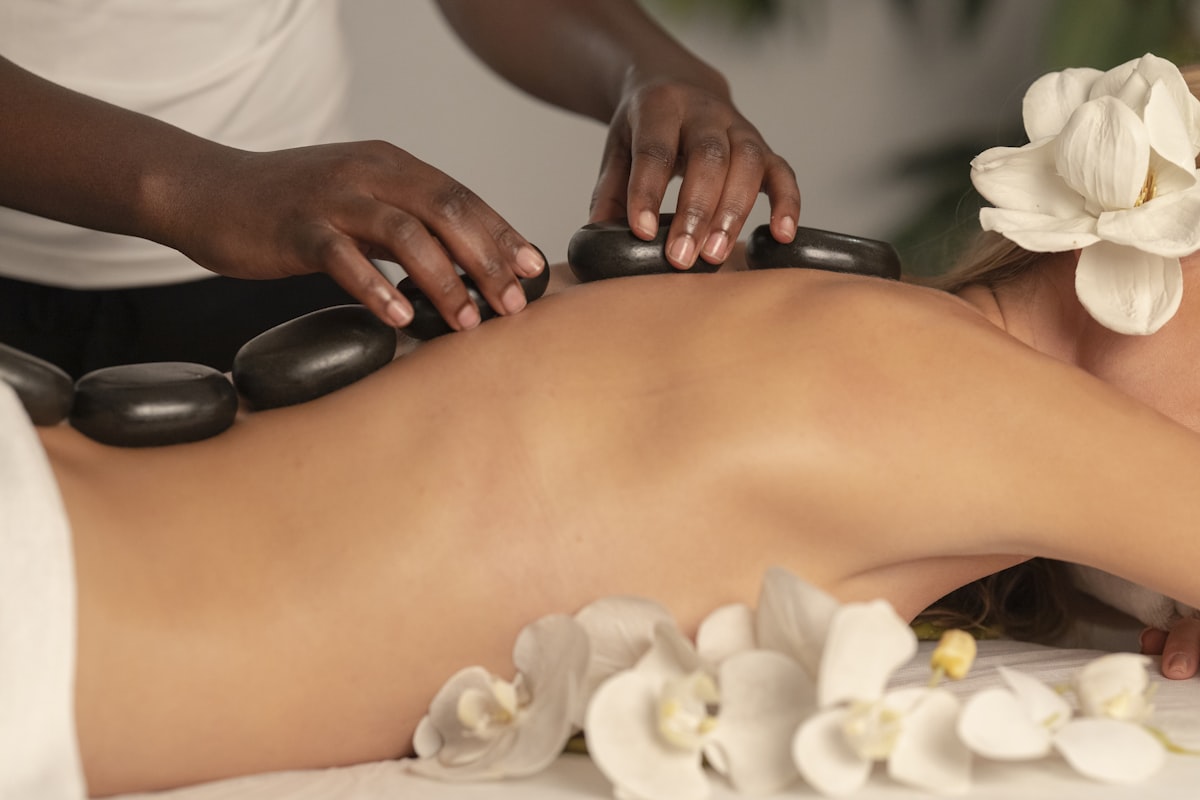
Moxibustion is not a universal pain reliever. It's specific — and applied to the wrong pattern, it can genuinely make things worse. The whole game is knowing your pattern.
Wind-Cold Bi is moxa's home turf. The telltales: sharp, stabbing pain in a fixed spot; pain that flares when the weather turns cold or the air conditioning comes on; real relief from hot showers and heating pads; joints that feel cold to the touch; stiffness without much swelling. This pattern usually responds within a session or two. I've had patients who walked in clutching a shoulder and walked out moving it.
Cold-Damp Bi is the second target. The pain is heavy and aching, worse in damp or humid weather; there's swelling without redness; morning stiffness runs past half an hour; the limbs feel like they're full of wet sand. Moxa warms and dries at the same time — the heat disperses Cold, and the warmth evaporates Dampness. This pattern wants longer, gentler sessions: 15-20 minutes per point instead of 5-10.
Kidney Yang Deficiency is the constitutional layer underneath a lot of chronic joint trouble. Signs: low back and knee pain that's always worse in winter, cold hands and feet no matter the thermostat, frequent nighttime urination, low energy. Moxa is one of the few therapies that can genuinely rekindle the body's constitutional fire from the outside in.
The key points are KD3, BL23 (Shenshu), CV4 (Guanyuan), and GV4 (Mingmen), two to three times a week, and it's a 2-3 month project, not a quick fix.
Now the caution. Heat Bi — joints that are red, hot, swollen, throbbing — is the pattern where moxa backfires. That's an inflammatory flare, and you'd be adding fuel. Same rule applies to any joint with visible redness or warmth radiating from it: see a practitioner before you light anything.
And moxa is off the table entirely for the face and head, near major vessels, during fever or acute infection, and during pregnancy — especially on the lower back and abdomen.
- Diagnose your Bi type before treating: Cold = sharp, fixed pain that loves heat; Damp = heavy, swollen, worse in humidity; Wind = moving pain that changes location daily.
- Cold-Damp Bi patients often have a thick, white tongue coating and a deep, slow pulse — these are reliable diagnostic signs.
- If your joint pain has ANY signs of heat (redness, warmth radiating from the joint, throbbing sensation), consult a TCM practitioner before using moxa.
"When Wind, Cold, and Dampness combine and enter the body, they cause Bi Syndrome. If Cold dominates — the pain is severe and the patient clings to warmth. If Dampness dominates — the limbs are heavy and the patient feels as if wrapped in wet cloth."
What the Science Actually Says About Burning Herbs Near Skin
For decades, the Western take on moxibustion was a shrug: burning herbs near skin can't possibly do anything. That position has aged badly. There are now at least four distinct physiological mechanisms on the table.
Far-infrared radiation. Burning moxa emits radiation peaking in the 2-10 micron band — precisely the wavelengths that penetrate tissue deepest. Thermographic imaging in a 2012 study showed moxibustion raising tissue temperature by 2-4°C at depths of 2-4 centimeters. Hot packs, by comparison, heat only the top half-centimeter before the energy dissipates.
That deep heat reaches the synovial fluid inside the joint capsule, thins it, and improves lubrication — a mechanical benefit ice simply cannot produce.
TRPV1 receptor activation. The heat activates TRPV1 channels — the same receptors that detect chili heat. Activation releases CGRP and substance P, which dilate local vessels and kick off anti-inflammatory signaling. And here's the elegant part: repeated moderate stimulation (which is what moxa delivers) desensitizes the receptors over time, which means less pain signaling.
It's called thermal neuromodulation, and it's why a single session isn't the point — regularity is.
Anti-inflammatory cytokine shift. Studies keep showing moxibustion lowering pro-inflammatory cytokines (IL-1β, IL-6, TNF-α) while raising anti-inflammatory ones (IL-10, IL-4). A 2016 review of moxa for knee osteoarthritis found consistent drops in synovial fluid IL-1β — the cytokine most directly tied to cartilage breakdown. Not just blood markers. Inside the joint.
Endogenous opioid release. Moxa triggers β-endorphin, enkephalin, and dynorphin — the body's own painkillers. One study measured plasma β-endorphin jumping 40-60% within 30 minutes of moxa at ST36, tracking with significant pain reduction.
So the mechanism isn't one thing — it's all of them at once. Which is exactly why single-mechanism explanations have always failed to capture what moxa does. It's deep heat plus receptor modulation plus an inflammatory reset plus an opioid pulse, all layered. That's not a placebo story. That's a physiology story.
- Far-infrared radiation is the key to moxa's depth — if you're using a heat lamp instead, make sure it specifies far-infrared output in the 2-10 micron range.
- TRPV1 desensitization takes 2-4 weeks of regular use — don't expect permanent pain relief from a single session.
- The anti-inflammatory cytokine shift has been measured in synovial fluid, not just blood — meaning moxa's effects reach inside the joint, not just the skin surface.
"Moxibustion is superior to acupuncture for cold-deficiency patterns. Its Yang nature penetrates where needles alone cannot — through the skin, through the flesh, into the marrow."
How to Do Moxibustion at Home — Without Burning Your House Down
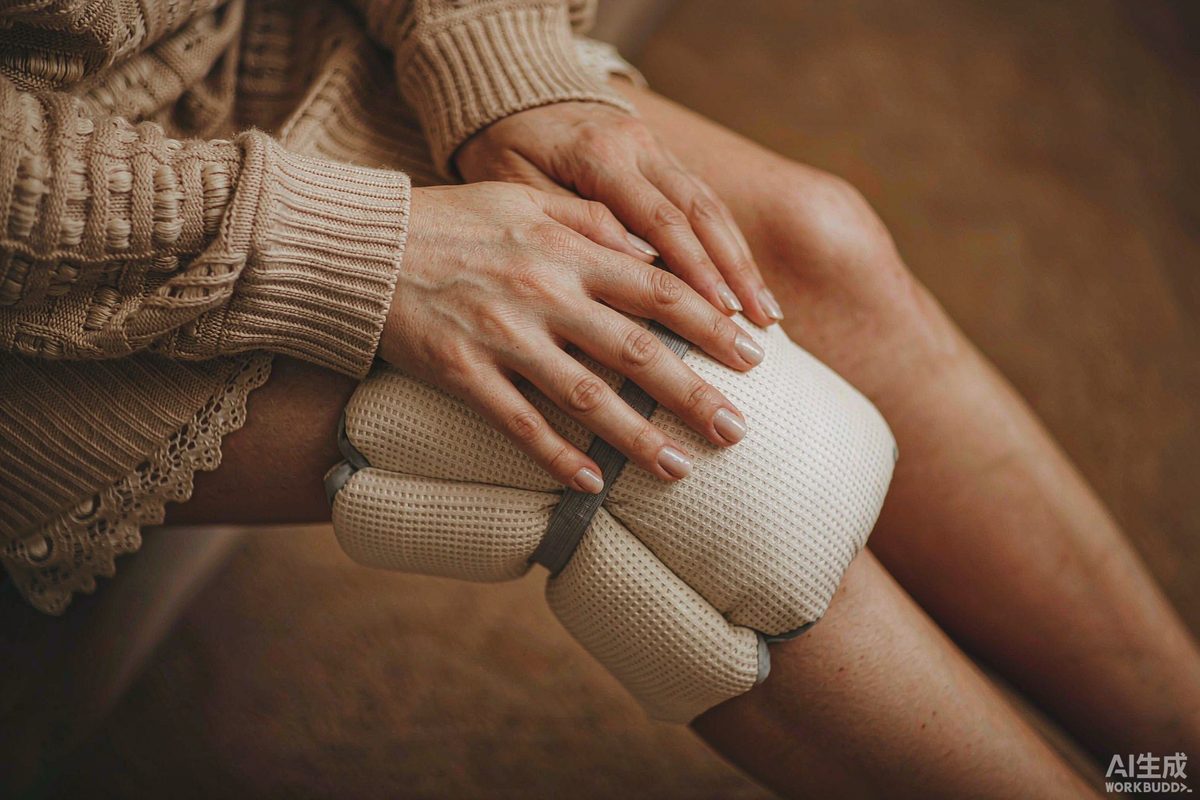
Done carefully, moxibustion is one of the safest home therapies in TCM. Done carelessly, it's a burn and a smoke alarm. Here's the exact routine.
Gather your kit: a moderate-grade moxa stick (1.5-2 cm diameter), a heat shield or extinguish box, a lighter or candle (matches die too fast), a ceramic dish for ash, and a ventilated room with somewhere comfortable to sit or lie. Ginger slices if you're doing indirect moxa.
Prepare the room. Open a window, point a fan outward, lay a towel under the treatment area, and keep a bowl of water or sand within reach. Never throw a smoldering stick in the trash — moxa can smolder invisibly for hours.
Light the stick at a 45-degree angle over the flame. Thirty to sixty seconds to get a full ember — you'll know it's ready when the tip glows evenly and gives a steady wisp of smoke. Blow on it gently to even things out.
Hold the lit end 1-2 inches from the point. The sensation should be pleasant, penetrating warmth — not burning, not discomfort. Too hot, pull back. Barely feel it, move closer. The aim is to hover just below the pain threshold.
Three motions, three jobs. Sparrow-pecking: rhythmically lower and raise the stick, like a bird at grain — it modulates intensity and prevents habituation. Rotating: hold distance steady and circle the point slowly — good for broader joint areas. Stationary: hold perfectly still — most intense, best for small precise points.
Timing: 5-10 minutes per point. Large joints (knee, low back) can go 15-20 with a moxa box or continuous motion.
Aftercare matters as much as the session. The area should be pink and warm afterward — not red, never blistered. Keep it covered for at least 30 minutes. No cold exposure, cold drinks, or cold food for 1-2 hours. A cup of warm water or ginger tea supports the warming effect.
And the non-negotiables: never leave burning moxa unattended. Never let the stick touch skin — half a second of contact at 500°C is a burn. No moxa over broken skin, rashes, or sunburn. No moxa if you have neuropathy or reduced sensation — you won't feel the burn forming. And always use a heat shield if there's any doubt.
- Start with ST36 on one leg for 5 minutes. It's the most forgiving point and will tell you how your body responds to moxa heat.
- If the smoke bothers you, try a moxa box with a lid — it contains most of the smoke while still delivering heat.
- Never pour water on a burning moxa stick — it will hiss and spit ash. Submerge the tip fully in a bowl of water or press it firmly into sand until the ember is gone.
"When applying moxa, the patient should feel heat penetrate to the bone, and the skin should redden but never blister. If the skin blisters, the practitioner's hand was too heavy."
Moxa Alone Works. Moxa Plus Needles Plus Herbs Works Better.
Moxibustion works on its own. Acupuncture works on its own. Herbs work on their own. Put all three together, though, and you get results none of them can reach alone — because they're treating different layers of the same problem.
In TCM theory, joint pain is a three-layer problem. The channels are obstructed — that's acupuncture's job. The tissues are cold and stagnant — moxa's job. And the organs underneath — Kidney, Liver, Spleen — are too depleted to sustain repair — that's the herbs' job. Address all three layers and you're not just suppressing a symptom; you're changing the conditions that created it.
The standard protocol I use for chronic Cold-Damp knee pain looks like this. Acupuncture twice a week for 4-6 weeks: needles at ST36, GB34, both Eyes of the Knee, SP9, SP10, and any tender ashi points, with electrical stimulation on the knee pair for 20 minutes. That clears the channel obstruction and decompresses fascial tension around the joint.
Moxibustion three times a week, sometimes on the same days: direct or stick moxa on ST36, KD3, and CV4, plus a moxa box over the whole knee for 20 minutes. Needle-top moxa on ST36 and GB34 during the acupuncture sessions stacks both modalities at once.
Herbs daily: Du Huo Ji Sheng Tang — the classic fifteen-herb formula for lower-body Cold-Damp Bi. It expels Wind-Damp (Du Huo, Qin Jiao, Fang Feng, Xi Xin), warms the channels (Rou Gui, Xi Xin), nourishes Liver and Kidney (Du Zhong, Niu Xi, Sang Ji Sheng), and invigorates Blood (Dang Gui, Chuan Xiong, Sheng Di Huang). Usually as a decoction, twice a day, for 8-12 weeks.
And the research supports the stack. Studies of acupuncture plus moxibustion plus Du Huo Ji Sheng Tang for knee osteoarthritis show better outcomes than any single modality, with pain reduction still holding at six-month follow-up.
The synergy is easy to explain: acupuncture opens the channels, moxa drives warmth through the opened channels into deeper tissue, and the herbs provide the biochemical substrate — anti-inflammatory compounds, tissue-nourishing nutrients — that the boosted circulation then delivers to the joint.
If you can only do one thing at home, start with moxa; it's the most accessible and the fastest warming relief for cold-pattern pain. But if your pain is chronic and you can find a practitioner who does both needling and moxa — not all of them do — the combined approach is where the real changes happen.
- If you can only do one home therapy, start with moxibustion — it's the most accessible and provides the fastest warming relief for Cold-pattern pain.
- For integrative treatment, find a practitioner who does both acupuncture and moxibustion — not all acupuncturists practice moxa, and the combination requires training.
- The herbal formula must be prescribed, not self-selected — Du Huo Ji Sheng Tang is a balanced formula, but it has contraindications (Heat signs, acute infections) that require professional diagnosis.
"Acupuncture regulates the channels. Moxibustion warms what is cold. Herbs nourish what is deficient. The physician who uses all three treats not just the Bi, but the person with the Bi."