Beyond Calories: The Energetic Language of Food
Chinese dietary therapy has been around for over two thousand years, and it asks a different question than modern nutrition does. ' Every food and herb gets classified by its thermal nature — hot, warm, neutral, cool, or cold — by its flavor among the five (sour, bitter, sweet, pungent, salty), and by which organ meridians it enters.
This is a personalized system by design. Two people can eat the same meal and one thrives while the other bloats, because their constitutions run different temperatures. Once you know your own pattern — cold hands and feet, fatigue, loose stools point one direction; flushed face, thirst, irritability point the other — the food choices start making a kind of sense that calorie counting never quite reaches.
It isn't that the numbers are useless. It's that they're incomplete. The energetic system catches things the macros miss.
The Four Natures (四气)
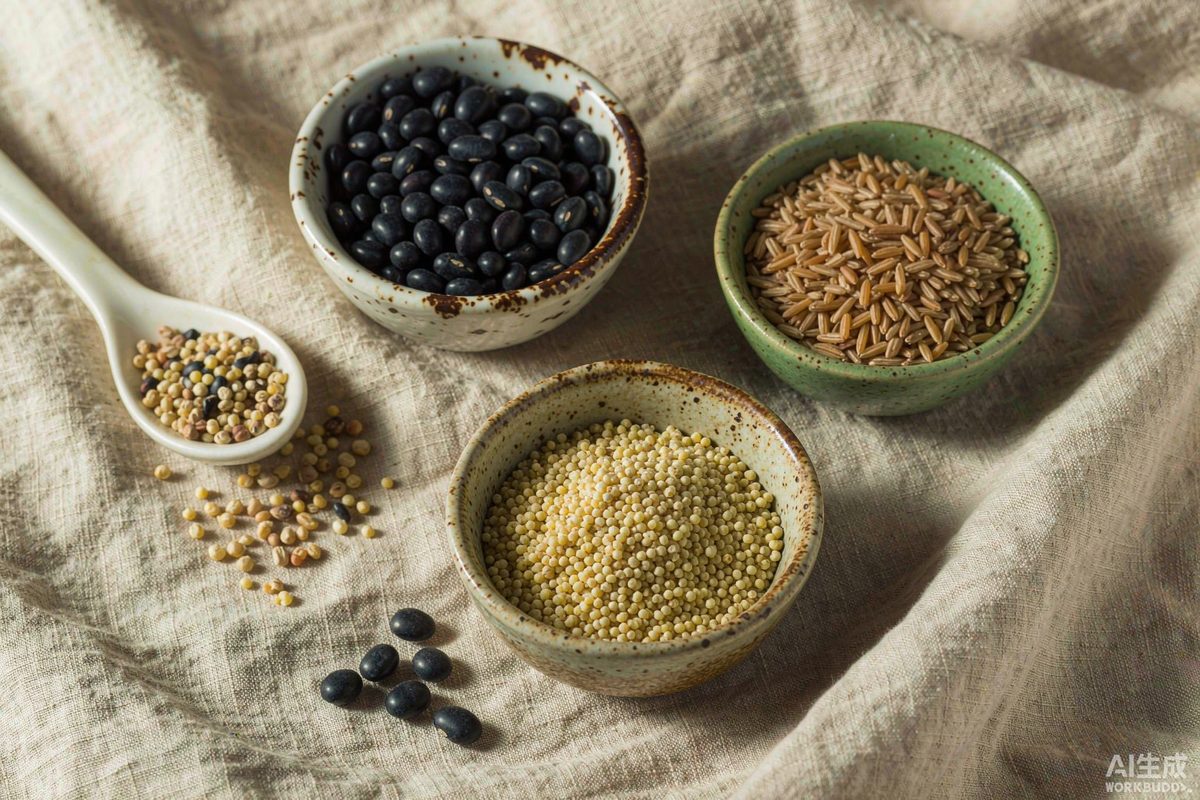
Every food has a thermal effect on the body that has nothing to do with its physical temperature. Ginger is hot even when served cold; watermelon is cold even at room temperature. This is the first thing people struggle with, and the easiest way in is to forget the thermometer and watch what happens after you eat.
Get the natures right and you can balance your internal environment the way you'd adjust a thermostat — warm yourself in winter, cool yourself in summer, and correct the small imbalances that show up as chills, dry mouth, or sluggish digestion.
A few ground rules before the list: neutral foods are the everyday workhorses, safe for almost anyone, and they're the base of most traditional diets for a reason. Hot and cold are the extremes — powerful when you need them, disruptive when you don't. And your current state matters more than the calendar: a steaming bowl of ginger soup on a hot day makes sense if you've just been caught in the rain with chills.
- Hot (热): Warming and dispersing — ginger, cinnamon, lamb, black pepper. Use for Cold patterns with chills and poor circulation.
- Warm (温): Gently warming — chicken, oats, rosemary, fennel. Good for everyday nourishment in cooler months.
- Neutral (平): Balanced — rice, carrots, goji berries, eggs. Suitable for everyone, every day.
- Cool (凉): Gently cooling — tofu, millet, peppermint, cucumber. Good for mild heat signs like dry mouth.
- Cold (寒): Strongly cooling — watermelon, kelp, bitter melon, mung beans. Reserved for true Heat conditions.
The Five Flavors (五味) and Where Each One Goes
Each flavor enters a particular organ system and does a particular kind of work. Sour is astringent — it pulls things together and preserves fluids, which is why vinegar and pickles feature in so many traditional cuisines and why a lemon slice wakes up a dull dish. Bitter drains and dries; it clears Heat and dries Dampness, and it's the flavor most modern diets are missing almost entirely.
Sweet tonifies and harmonizes — it's the primary nourishing flavor, the one behind grains, dates, and sweet potato, and the one most easily overdone. Pungent disperses and moves — ginger, garlic, mint, chili open things up and get Qi flowing. Salty softens hardness and descends; a little sea salt, seaweed, or miso anchors and moistens.
Notice the warning built into the system: every flavor is medicine, and every medicine has a ceiling. Too much sour injures the Spleen. Too much sweet creates Dampness. The traditional cuisines that survive — and the ones that feel good to eat — tend to balance all five at once, with none shouting over the others.
That's the practical takeaway: not to chase one 'superfood flavor,' but to check that your plate carries the whole set.
- Sour (酸) → Liver: Astringes and preserves fluids. Think vinegar, lemon, pickled foods. Too much damages the Spleen.
- Bitter (苦) → Heart: Drains and dries Dampness. Think bitter greens, dandelion, coffee. Clears Heat and dries Damp.
- Sweet (甘) → Spleen: Tonifies and harmonizes. Think grains, dates, sweet potato. The primary nourishing flavor — but excess creates Dampness.
- Pungent (辛) → Lungs: Disperses and moves Qi. Think ginger, garlic, mint, chili. Opens the exterior to release pathogens.
- Salty (咸) → Kidneys: Softens hardness and purges. Think sea salt, seaweed, miso. Descends Qi and moistens dryness.
Practical TCM Eating: Where to Start
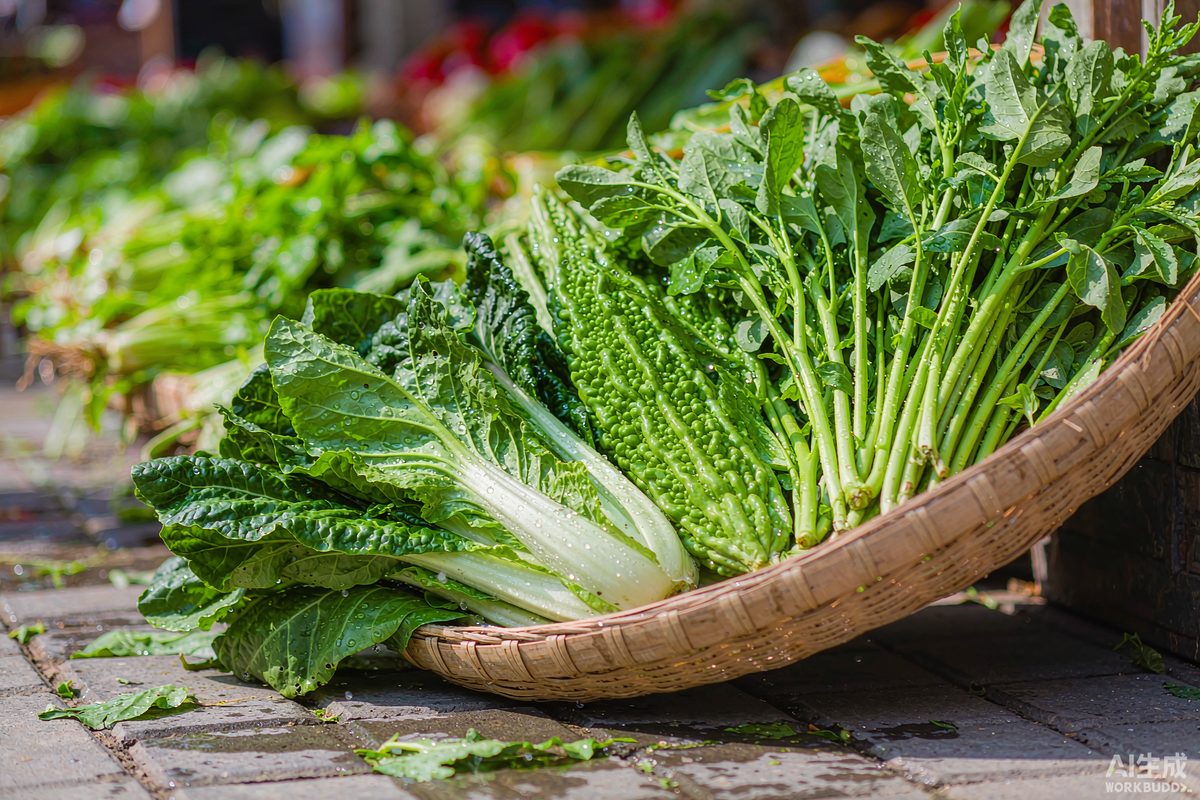
The simplest starting point is also the most reliable: favor warm, cooked food over cold, raw food. Especially in winter, and especially if you're someone who's always cold. Cook with ginger and warming spices. Aim to include all five flavors across the day, but let the season and your own constitution set the proportions.
A cold, tired person and a hot, irritable person should not be eating the same winter menu, and the beauty of this system is that it tells you which one you are. If you're not sure, the quick test is honest: how do you feel an hour after a typical meal? Heavy and sluggish says your food is fighting you. Light and steady says it's working with you.
One more principle worth keeping in mind, and it's the one that makes everything else click: in the Chinese tradition, food and medicine share the same origin — yao shi tong yuan, 药食同源. The grocery store and the pharmacy were never separate places.
"A superior physician prevents disease. An inferior physician treats disease that has already developed. Food is the first medicine."