Those Olympic Circles Weren't a Fad — They Were Evidence of a 3,500-Year-Old Therapy
The 2016 Rio Olympics: Michael Phelps climbs onto the starting block, and the camera catches those perfectly round purple bruises across his shoulders. The internet had a collective moment. 'What are those circles?' 'Is someone hurting him?' 'Is this a new kind of doping?'
No, no, and no. They were cupping marks — evidence of a therapy that predates the Olympics by about two millennia. Cupping (Ba Guan — 'pull jar' in Chinese) is the practice of creating localized suction on the skin using cups — glass, bamboo, or horn in the old days, silicone and plastic now.
The suction lifts skin, fascia, and superficial muscle upward into the cup, generating negative pressure that decompresses stuck tissue, draws stagnant blood and interstitial fluid toward the surface, and triggers a localized healing response that lasts for days after the cups come off.
Archaeological records place cupping in Egypt as early as 1550 BCE — the Ebers Papyrus describes it for fever and pain. Hippocrates recommended it for musculoskeletal complaints. Across the Islamic world, it's known as Hijama (wet cupping) and treated as prophetic medicine.
In China, cupping got folded into the acupuncture and moxibustion framework — cups applied to specific meridian points rather than just wherever it hurt. The earliest Chinese references appear in the 'Fifty-Two Diseases' manuscript from the Mawangdui tombs (168 BCE), and by the Tang Dynasty (618-907 CE), cupping was a standardized medical practice taught alongside acupuncture.
What makes cupping distinct among TCM modalities is that it operates primarily through mechanical force — suction. You don't need to accept the concept of Qi to understand why pulling adhered muscle layers apart reduces pain. The mechanism is unusually accessible to Western biomechanical reasoning while still integrated with meridian theory.
If you've ever had a deep-tissue massage that left you sore for two days, you've experienced fascial work through compression. Cupping does it through decompression — and it often reaches layers that hands alone can't.
- Cupping marks are not bruises — they're areas of extravasated blood drawn to the surface by suction. True bruises come from blunt force trauma and are painful to touch; cupping marks are generally not tender.
- The marks fade in 3-7 days. Lighter marks = milder stagnation, faster resolution. Darker marks = deeper stagnation, longer to clear.
- Olympic athletes use cupping because it works for myofascial release without the downtime of deep tissue massage, and it doesn't introduce any prohibited substances.
"Where there is free flow, there is no pain. Where there is pain, there is no free flow. Cupping draws the stagnant to the surface and lets the channels flow again."
Five Ways to Cup — and Why the Wrong Technique for the Wrong Problem Is Worse Than Skipping It

Cupping isn't one thing. The five main types each have distinct mechanisms and clinical targets, and picking the wrong one for your situation wastes time at best. Here's the breakdown.
Dry Cupping — the standard. A vacuum is created inside a cup placed on the skin, and it stays stationary for 5-15 minutes. This is what you'll most likely get at a TCM clinic or do at home. The suction draws tissue upward, decompressing fascia and pulling stagnant interstitial fluid into the subcutaneous space where lymphatics can clear it.
Best for general muscle tension, mild-to-moderate myofascial pain, and early blood stagnation.
Fire Cupping — the theatrical one. A cotton ball soaked in alcohol, ignited, briefly inserted into a glass cup to burn off the oxygen and create a vacuum, then quickly pulled out as the cup presses onto the skin. The flame never touches the patient.
Fire cupping generates stronger suction than pump cups and adds a subtle warming effect from the heated glass — the traditional method, preferred for deep, chronic stagnation that produces those dark purple marks. This is practitioner-only. Do not try it at home.
Wet Cupping — Hijama. After 3-5 minutes of dry cupping, the cups come off and the skin gets tiny, superficial lancet incisions — shallow cuts that barely bleed on their own. Cups go back on, and the renewed suction draws out a small amount of blood (5-20 ml per cup).
From a TCM perspective, this removes 'stagnant blood' — the thick, dark, oxygen-depleted fluid that accumulates in chronic pain areas and irritates surrounding tissue like a chemical splinter. Western perspective: the blood removal clears local inflammatory mediators and triggers a fresh healing cascade.
Moving Cupping — sliding cups, massage cupping. Oil the area, place a cup with moderate suction, and slide it along muscle fibers or meridian lines. This combines suction decompression with mechanical shear — literally peeling adhered fascia apart.
Moving cupping along the Bladder meridian (the two parallel lines flanking the spine) is one of the most effective things you can do for chronic low back pain and that 'ropy' muscle texture from years of tension.
Flash Cupping — quick in-and-out. Cup on, cup off, rapid sequence, machine-gun popping sound. Rhythmic pressure change without leaving marks. Used where stationary suction is contraindicated: Bell's palsy, certain pediatric respiratory conditions, or areas with thin, fragile skin.
- For home use: pump cups or silicone cups. Leave fire cupping and wet cupping to licensed practitioners.
- Moving cupping is dramatically more effective for large muscle groups (back, shoulders, thighs) than stationary cupping — the sliding action breaks adhesions that sitting still cannot reach.
- If you're needle-phobic, know that wet cupping involves lancet incisions. Dry and moving cupping are needle-free.
"Cupping treats the exterior and the interior: on the surface it resolves Wind-Cold, in the middle it moves Qi and Blood, and in the deep it draws out stagnation that has penetrated to the channels and collaterals."
Reading the Marks: What Those Purple Circles Are Telling You
Those circular marks aren't random visual noise — they're diagnostic data. A seasoned cupping practitioner reads them the way a radiologist reads a film. Here's the color guide.
Light pink or faint red (appears within 1-2 minutes): Mild stagnation, generally healthy tissue. Blood moved to the surface quickly and evenly — minimal obstruction. This is the ideal. If every cupped area produces light pink marks from the start, your circulation and tissue health are in good shape. Most patients graduate from darker marks to light pink over 2-3 sessions as stagnation clears.
Bright red (appears within 1-2 minutes): Heat pattern — either local inflammation or systemic heat signs. Blood rushes to the surface fast and visibly. If the skin around the cup edges is also red and warm, that's active inflammation and cupping might not be appropriate — check with a practitioner.
If the redness stays confined to the cup area without surrounding warmth, it may be mild local heat from overuse rather than systemic inflammation.
Dark red to purple (3-5 minutes to appear): Moderate to severe blood stagnation. This is what I see most often in chronic pain patients. The deeper the purple, the longer the stagnation has been sitting there. Dark red marks typically clear in 5-7 days. Uniform purple suggests Qi stagnation (functional blockage); mottled or speckled purple suggests blood stasis (physical congestion).
Deep purple to near-black (5-10 minutes to appear): Severe, entrenched blood stasis. Decades of untreated myofascial pain, old injuries that 'healed' but left deep fascial adhesions, areas that have been chronically under-perfused for years. These marks can take 7-14 days to fully clear.
Patients with near-black marks almost always report major pain relief after cupping — the correlation between mark darkness and symptom improvement is one of the most reliable findings in practice.
Pale or no mark (no color despite strong suction): Cold or Deficiency pattern. The tissue is so under-perfused that even strong suction can't pull blood to the surface. These patients usually have cold extremities, low energy, and joint pain worse in winter. They need moxibustion more than cupping alone — though warming the cups with moxa before application can help bridge the gap.
Water droplets or blisters inside the cup: Dampness accumulation. Condensation forming inside the cup — or small blisters in severe cases — signals significant Dampness in the tissues. These patients tend to have edema, a heavy sensation in the limbs, and pain that worsens with humidity. Dampness on cupping is a strong indicator that herbal medicine (to transform Dampness internally) should join the treatment plan.
- Take photos of your cupping marks after each session. The progression from dark purple to light pink across multiple sessions is objective evidence the therapy is working.
- Marks that fade in 2-3 days mean your body clears stagnation efficiently — you can cup more often. Marks taking 7+ days to fade mean the body is struggling — space sessions further apart.
- If you get no marks at all despite strong suction on the back, and your pain worsens in cold weather, ask your practitioner about combining moxibustion with cupping.
"The color of the cup mark reveals the depth of the disease: red is superficial, purple is deep, and black is chronic. As the marks lighten session by session, the disease lightens with them."
Where Cupping Earns Its Keep: 7 Conditions With the Strongest Evidence
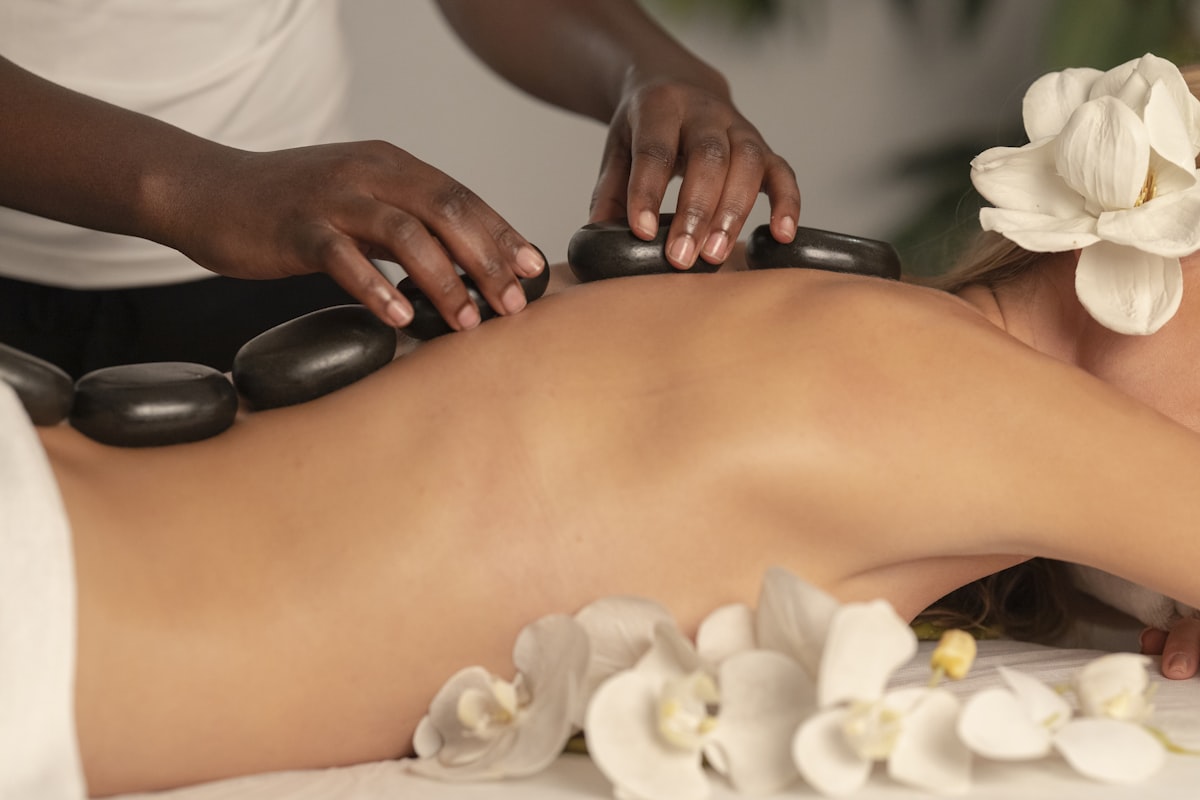
Cupping isn't a cure-all. It has specific clinical sweet spots where the evidence — both mechanistic and from controlled trials — is most solid. Here are seven.
1. Chronic low back pain. This is the heavyweight. A 2018 systematic review and meta-analysis covering 16 RCTs found cupping substantially reduced chronic low back pain intensity compared to usual care, with effects holding at follow-up.
The mechanism is twofold: cupping along the Bladder meridian (erector spinae) releases deep paraspinal tension that maintains the pain-spasm cycle, and the suction decompresses lumbar fascia — now recognized as a primary pain generator in nonspecific low back pain.
2. Myofascial neck and shoulder pain. The trapezius and levator scapulae pack more trigger points per square inch than almost anywhere else — ischemic, painful knots of sustained muscle fiber contraction. Cupping's decompression physically stretches contracted sarcomeres, restoring blood flow to the ischemic zone within minutes.
3. Frozen shoulder (adhesive capsulitis). Moving cupping along the shoulder girdle — especially along the Small Intestine and San Jiao meridians that traverse the rotator cuff — mechanically separates adhered fascial planes that lock up shoulder range of motion. With acupuncture and gentle mobilization, recovery time can drop from 12-18 months to 3-6.
4. Knee osteoarthritis. Cupping around (not on) the kneecap — at ST35, the medial knee eye, and the popliteal fossa — reduces the periarticular muscle tension that increases compressive force on already-compromised joint surfaces. A 2020 Cochrane review found moderate-quality evidence for cupping in musculoskeletal pain, with knee OA prominent among the studied conditions.
5. Fibromyalgia. Widespread tender points respond through a different mechanism than localized pain — systemic desensitization. The controlled nociceptive input from cupping triggers descending pain inhibition pathways in the central nervous system, turning down the volume on amplified pain signaling.
6. IT band syndrome and lateral knee pain. The iliotibial band is notoriously hard to stretch — it's a thick sheet of fascia, not muscle, and conventional stretching barely registers. Moving cupping with firm pressure along the IT band delivers mechanical shear that foam rolling can't match, directly releasing the fascial tension that causes lateral knee pain in runners and cyclists.
7. Respiratory conditions (bronchitis, asthma, common cold). This one surprises people, but cups on the upper back — BL13, BL43, the Lung acupoints — stimulate the somato-visceral reflex, dilating bronchioles and promoting mucus clearance. The mechanism runs through the same spinal segments (T1-T5) that innervate both the upper back skin and the lungs.
- For low back pain: cupping along the Bladder meridian (1.5 cun from the spine) combined with moving cupping. Most patients get 40-60% pain reduction after the first session.
- For frozen shoulder: combine cupping with acupuncture at LI15 (Jianyu) and SJ14 (Jianliao) for best results.
- For IT band syndrome: silicone cups for moving cupping — they conform to leg contour and won't break suction during sliding.
"For pain of the back and loins, cup the Bladder channel. For pain of the shoulders and neck, cup the Gallbladder and San Jiao channels. Where the pain resides, there the cups must go — but always on the channel, never randomly."
What's Actually Happening Under the Cup — the Fascia, the Blood, and the Brain
For most of its history, cupping got explained in TCM terms — 'moves Qi and Blood,' 'resolves stagnation,' 'expels Wind-Cold.' These frameworks work clinically, but they don't speak the language of an orthopedist. Here's the biomechanical translation.
Fascia is a continuous, three-dimensional web of connective tissue wrapping every muscle, muscle fiber, nerve, blood vessel, and organ in the body. Healthy fascia glides — layers slide past each other without friction. Injured, overused, or chronically tensed fascia adheres — layers stick together — restricting movement, trapping nerves, producing the kind of tightness that stretching alone cannot touch.
Cupping creates decompression. The negative pressure lifts skin and superficial fascia away from underlying muscle. This mechanical separation breaks the hyaluronic acid bonds that glue fascial adhesions together — the same bonds myofascial release therapists spend entire sessions working to break with manual pressure.
The difference: cupping does it in minutes and from the inside out (negative pressure) rather than outside in (positive pressure from massage).
This is mechanotransduction — mechanical force converted into biochemical signals. When fascia stretches and deforms under suction, fibroblasts inside the fascia receive a mechanical signal to remodel the extracellular matrix. They break down disorganized collagen and lay down new, organized fibers aligned with the direction of force.
Over weeks of sessions, the fascial architecture remodels from disorganized, adhered, and painful to organized, gliding, and quiet.
The immune side is equally important. Suction pulls blood from deep capillary beds into the subcutaneous space — not random bleeding but controlled extravasation that the body reads as micro-trauma, triggering a localized inflammatory healing cascade. Macrophages arrive to clear the extravasated blood. Mast cells release histamine and heparin, boosting local blood flow.
Platelets release platelet-derived growth factor, stimulating fibroblast proliferation and collagen synthesis. The area under each cup gets a concentrated, multi-day infusion of repair cells and growth factors.
This is also why the marks are therapeutic, not just diagnostic — the biological processes producing the visible color change (immune infiltration, cytokine signaling, tissue remodeling) are the same processes reducing pain.
And there's a neurological layer. The suction stimulates cutaneous mechanoreceptors (Pacinian corpuscles, Ruffini endings) and nociceptors. The resulting sensory input hits the spinal cord, where it modulates pain signals through gate control — essentially, the sensation of suction competes with the sensation of pain at the spinal level, and suction wins.
At the same time, the strong sensory stimulus triggers descending pain inhibition from the periaqueductal gray, releasing endogenous opioids that reduce pain systemically. One therapy, three mechanisms — fascia, blood, brain.
- Fascial remodeling takes 6-8 weeks of regular cupping — this is structural work, not a one-session miracle. The changes are architectural, not just symptomatic.
- Mechanotransduction explains why cupping effects outlast the cups — the biochemical cascade triggered by suction runs for days after the cups are removed.
- If you've had myofascial release or Rolfing, you've experienced fascial work through compression. Cupping does it through decompression — complementary approaches, not competitors.
"The skin, the flesh, the sinews, the vessels, the bones — these are the five body constituents. Cupping acts on all five through the skin, pulling up layer by layer until even the deepest stagnation rises to meet the cup."
Cupping at Home — for Back and Shoulders — Without Hurting Yourself
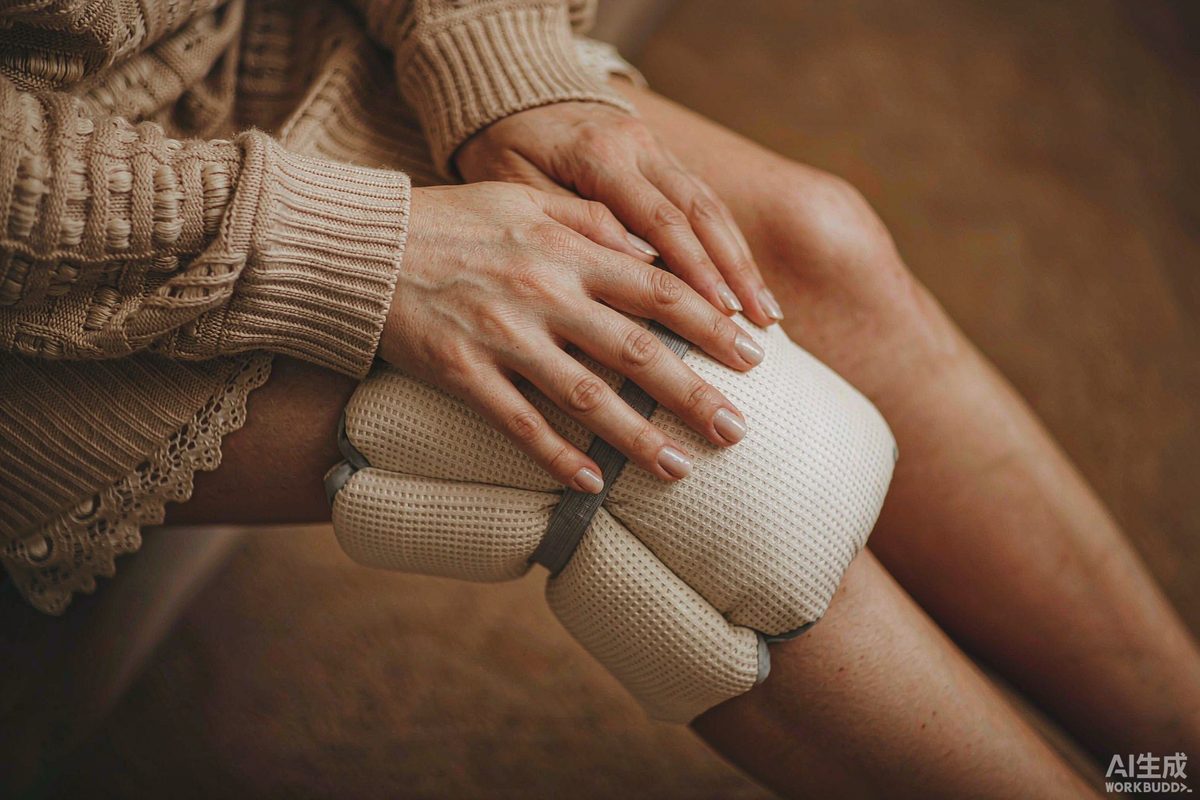
Cupping is one of the few TCM modalities you can safely do yourself — but only if you follow some non-negotiable safety rules. Here's the protocol.
You'll need: a cupping set with vacuum pump, at least 6 cups in graduated sizes (1-3 inch diameters), massage oil (jojoba, almond, or fractionated coconut — unscented), a mirror for back work, and a timer.
Before you start: warm shower or warm compress on the treatment area for 5-10 minutes. Heat pre-dilates blood vessels and softens fascia, making the suction more effective and more comfortable. Dry the skin thoroughly — cups won't seal on damp skin. Apply a thin layer of oil.
The sequence: start with the upper back and shoulders (trapezius). This is the safest, most forgiving zone and where most tension lives. Avoid the spine itself — cup the muscles on either side. Avoid the lower back directly over the kidneys — deep suction there can cause discomfort.
Attach the pump to the cup valve, place the cup on skin, press down gently for an initial seal. Pump 1-3 times. The skin should rise about 1-2 cm into the cup. You want firm, even pressure — not pain, not pinching, not burning. If it hurts, release some pressure. Set a timer for 5 minutes on your first session; work up to 10-15 minutes over subsequent sessions.
Removal: lift one edge of the cup gently to break the seal — never yank it straight off. If using pump cups, press the valve to release the vacuum. Apply gentle counter-pressure to surrounding skin as you lift.
Aftercare: thin layer of arnica gel or a blood-moving liniment (Zheng Gu Shui or Dit Da Jao) to speed mark resolution. A full glass of warm water — hydration supports lymphatic clearance. Keep the cupped areas covered and warm for 1-2 hours. No cold exposure, cold showers, swimming, or air conditioning blasting the cupped areas for 4-6 hours.
The pores are open, the channels are dilated — cold at this stage drives pathogenic factors right back in.
Safety — the lines you don't cross: Never cup over open wounds, burns, rashes, sunburns, moles, or skin infections. Never over varicose veins, areas of deep vein thrombosis, or known blood clots. Never the abdomen or low back during pregnancy. Never over areas of sensory loss or neuropathy — you can't feel if the suction is too strong. ) or have a bleeding disorder.
Do not wet cup at home — the infection risk from non-sterile technique is real. Do not fire cup at home — the technique requires training and a fire extinguisher on standby.
- Start with 2-3 cups on the upper traps for 5 minutes. This tells you how your skin responds (mark darkness) and how your body feels afterward, without overwhelming your system.
- For back cupping, use a mirror or have someone place the cups — twisting to reach your own back creates asymmetrical tension that defeats the purpose.
- If you feel lightheaded, dizzy, or nauseous during or after cupping: remove the cups, lie down, drink warm water. Usually a vasovagal response — resolves in minutes.
"In cupping, as in all medicine, the dose makes the poison. Light suction for short durations nourishes — heavy suction for long durations injures. Know your patient, know your cups, know when to stop."
After the Cups Come Off: Frequency, Combining Therapies, and the 8-Week Arc
What happens after the cups are removed matters as much as what happens under vacuum. Here's how to time your sessions, care for the marks, and combine cupping with other modalities.
Session frequency: For acute conditions (sudden spasm, recent injury) — 1-2 times per week until marks lighten to pink. For chronic conditions (years of back pain, arthritis) — once per week for 4-6 weeks, then reassess. When marks consistently fade within 2-3 days, you can move to twice weekly.
Never re-cup an area while marks from the last session are still visible — the tissue needs to fully clear before new suction goes in.
The arc you should see: Session 1 — dark purple marks, noticeable post-treatment soreness (like a deep massage), meaningful pain relief within 24 hours. Sessions 2-3 — marks lighter (dark red), less soreness, pain relief lasting 3-4 days between treatments. Sessions 4-6 — marks pink to light red, minimal soreness, pain relief sustained.
Session 7 and beyond — maintenance mode: light marks that clear in a day or two, used preventively or when symptoms flare.
The 24-48 hours after cupping is when your lymphatic and circulatory systems do the heavy lifting of clearing extravasated blood. Support this with light movement (walking, gentle yoga), hydration (2-3 liters of water), anti-inflammatory nutrition (turmeric, ginger, omega-3s, dark leafy greens), and adequate sleep.
Combining with acupuncture: cup first, needle second. Cupping opens the channels and releases surface stagnation, letting acupuncture needles access deeper meridian levels more efficiently. The classic sequence is 10-15 minutes of cupping followed by 20-30 minutes of needle retention.
Combining with moxibustion: for Cold-pattern conditions — pain worse in winter, joints that crave heat — moxa before cupping warms the channels and makes tissue more pliable, improving suction and stagnation draw. For Heat-pattern conditions, skip the moxa and cup alone.
Combining with herbs: blood-moving herbs — Carthamus (Hong Hua), Salvia (Dan Shen), Frankincense (Ru Xiang), Myrrh (Mo Yao) — amplify cupping's effect from the inside while cupping works from the outside. A TCM practitioner can match the formula to your pattern.
Combining with Western therapies: cupping plays well with PT, chiropractic, and massage — but timing matters. Don't cup the same day as deep tissue massage (too much mechanical input). Allow 48 hours between cupping and chiropractic adjustment (fascia needs time to settle). Cupping 24 hours before PT can improve range of motion during exercises.
- Track your marks with photos and a pain diary (0-10). Purple-to-pink progression over 4-6 sessions is your objective measure that it's working.
- Never re-cup over existing marks — that creates bruising, not therapeutic extravasation. Wait until all color has faded.
- If you're combining therapies, tell every practitioner what else is happening. Cupping + blood-thinning herbs + anticoagulant medication = excessive bleeding risk.
"Treat the disease, then nourish the patient. Clear the stagnation, then tonify the deficiency. Cupping clears — it does not nourish. After the cups come off, the real healing begins."